Watering7 min read
How to water plants properly in Pakistan
More houseplants die of overwatering here than of anything else. A practical method that works in 45°C summers and cold, damp winters alike.
Almost every dead houseplant we are asked about was overwatered. Not neglected — overwatered, usually by someone attentive who was watering to a schedule because that felt like the responsible thing to do.
The problem is that a schedule ignores the two things that actually determine how fast a pot dries: the weather, and the pot. A plant that needs water twice a week in June may need it once a fortnight in January, and a plant in unglazed terracotta will dry roughly twice as fast as the same plant in plastic.
Stop watering on a schedule. Check instead.
Push a finger into the mix up to the second knuckle. If it comes out with soil clinging to it, the plant does not need water. If it comes out clean and the mix feels cool but not damp, water it.
For anything in a pot small enough to lift, weight is even more reliable. Learn what the pot feels like immediately after a thorough watering and what it feels like four days later. That difference is unmistakable within a week of paying attention, and it works through every season without adjustment.
When you water, water properly
A splash on the surface wets the top two centimetres and leaves the roots below it dry. Worse, it encourages roots to grow upward toward the moisture, which makes the plant less resilient over time.
Water until it runs freely from the drainage hole, then let it drain completely and empty the saucer. That single thorough soak does three things a small daily splash cannot: it wets the entire rootball, it flushes accumulated fertiliser salts out of the mix, and it pulls fresh air down into the soil behind the draining water.
What Pakistani tap water does to plants
Water across most of Punjab and Sindh is hard and often carries a significant salt load. Over months, those salts accumulate in the pot as white crusting on the soil surface and around the rim, and they cause the brown, crispy leaf margins people usually blame on dry air.
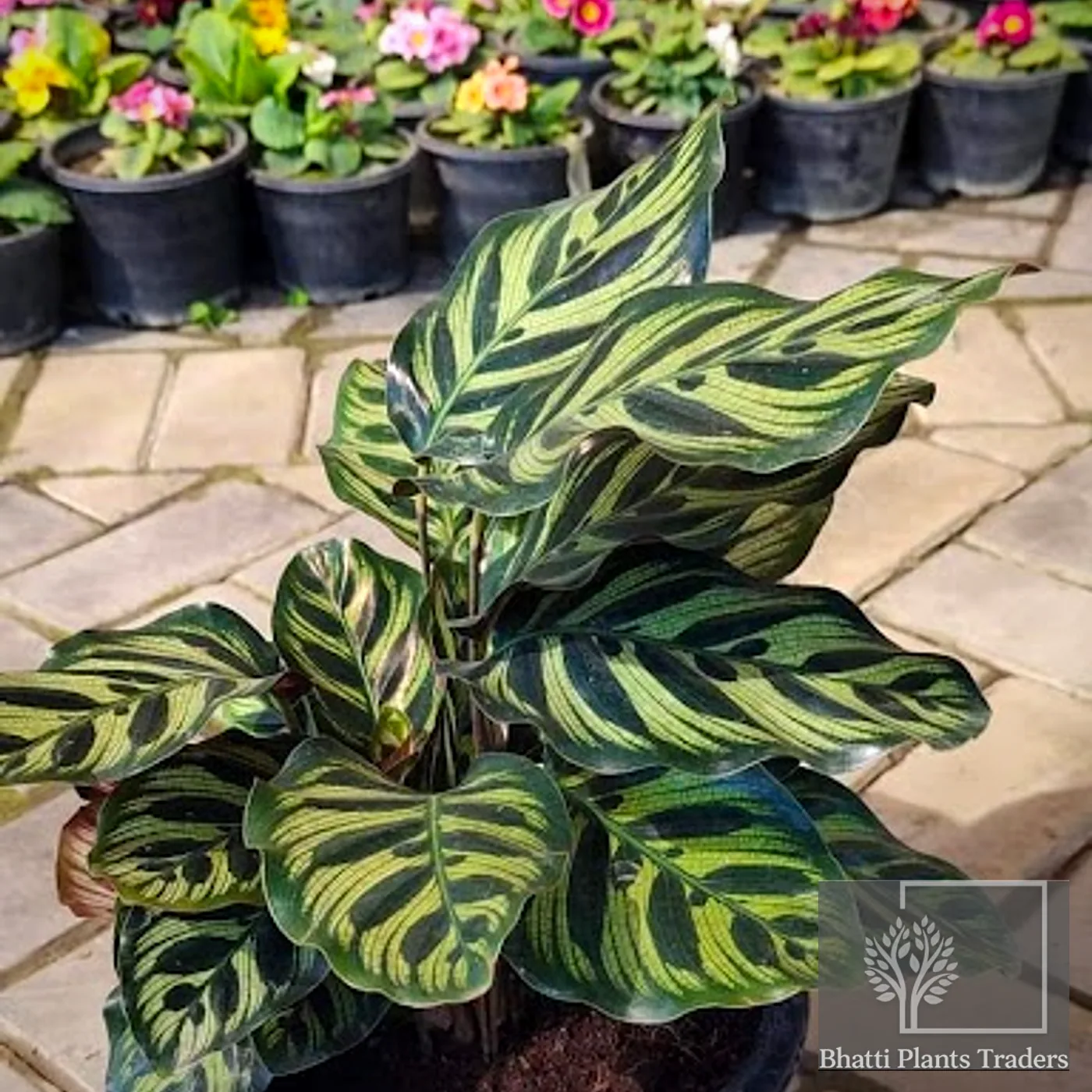
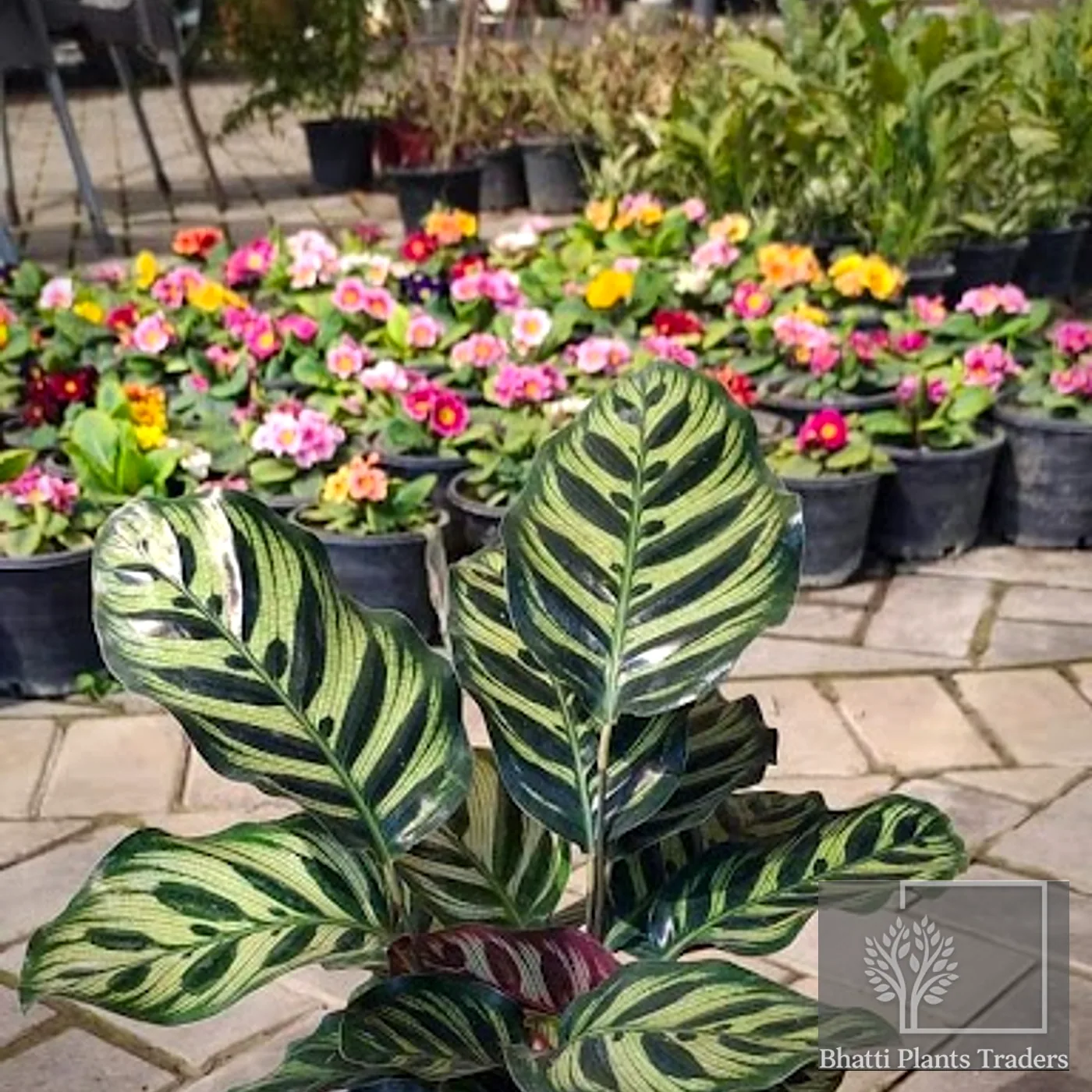
Two things help. First, once a month, take the pot to a tap or a drain and run three or four pot-volumes of water through it to flush the salts out. Second, for the genuinely sensitive plants — calatheas, dracaenas, lucky bamboo — use filtered water, or leave tap water standing overnight so the chlorine gasses off.
Seasonal adjustment for the Pakistani year
Roughly, watering frequency should track temperature and light rather than the calendar. These are starting points for a medium-sized plant in a plastic pot indoors — adjust for terracotta, which dries faster, and for anything standing in direct sun.
- April to June, peak heat: check every 2–3 days. Most tropical foliage wants water twice a week.
- July to September, monsoon humidity: check every 4–5 days. Humidity slows evaporation dramatically, and this is when overwatering kills the most plants.
- October to November, mild: check weekly.
- December to February, cold and low light: check every 10–15 days. Cacti and succulents get nothing at all.
- March, growth restarting: return to weekly checks and resume feeding.
How to tell thirst from rot
Both produce drooping and yellowing, which is why they get confused so often. The difference is in the feel of the leaf and the smell of the soil.
An underwatered plant has limp, dry, papery leaves and dry soil, and it recovers within hours of a thorough soak. An overwatered plant has soft, yellowing leaves that may feel slightly translucent, wet soil, and often a sour smell from the drainage hole. It does not recover from more water — it recovers from being unpotted, having the soft roots cut away, and being repotted into fresh, dry mix.