Soil & potting7 min read
Soil mixes and repotting: the part everyone gets wrong
Garden soil in a pot is the most common serious mistake in Pakistani plant keeping. What to use instead, and how to mix it yourself.
Roots need air as much as they need water. In open ground, soil structure, earthworms and root channels keep air moving through the soil. In a pot, none of that exists — so a mix that behaves perfectly well in a garden bed becomes an airless, waterlogged block within weeks of being confined to a container.
This is why so many plants bought healthy from a nursery decline after being repotted at home into garden soil. The plant did not fail. The medium did.
What a potting mix actually has to do
A good mix holds enough water to get the plant between waterings, drains the rest away within a minute or two, and retains air pockets throughout even when saturated. Structure matters more than fertility, because you can always add nutrients but you cannot add air to a compacted mix.
The practical test: water a pot thoroughly. Water should run from the drainage hole within about thirty seconds, and the surface should not be sitting in a puddle. If it pools, the mix is too dense.
Three mixes that cover almost everything
Rather than buying a different bag for every plant, mix these three from bulk ingredients. All the components are available cheaply from any decent nursery supplier.
- General foliage mix — 40% coco peat, 30% compost or leaf mould, 30% perlite. For pothos, syngonium, dracaena, dieffenbachia, ficus.
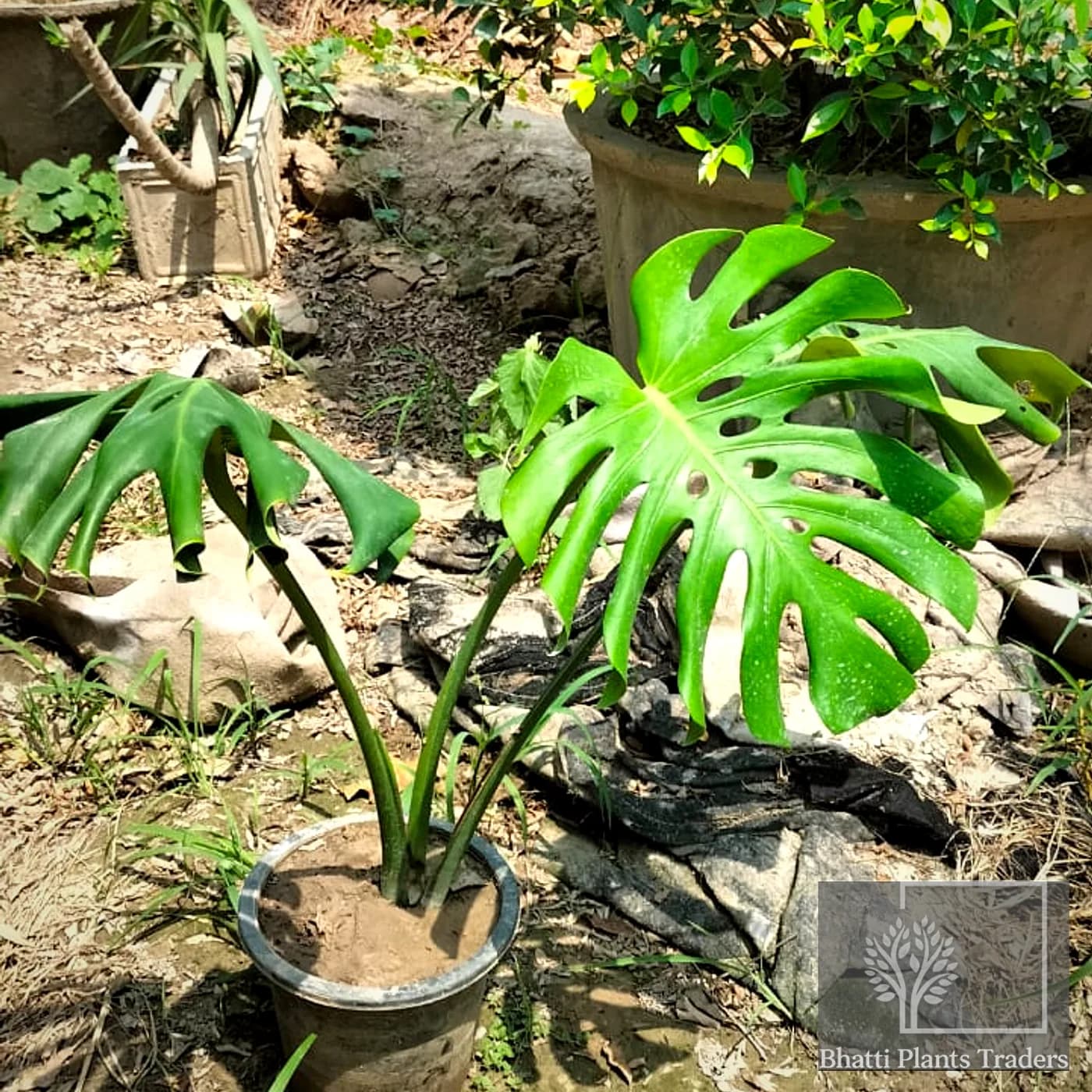
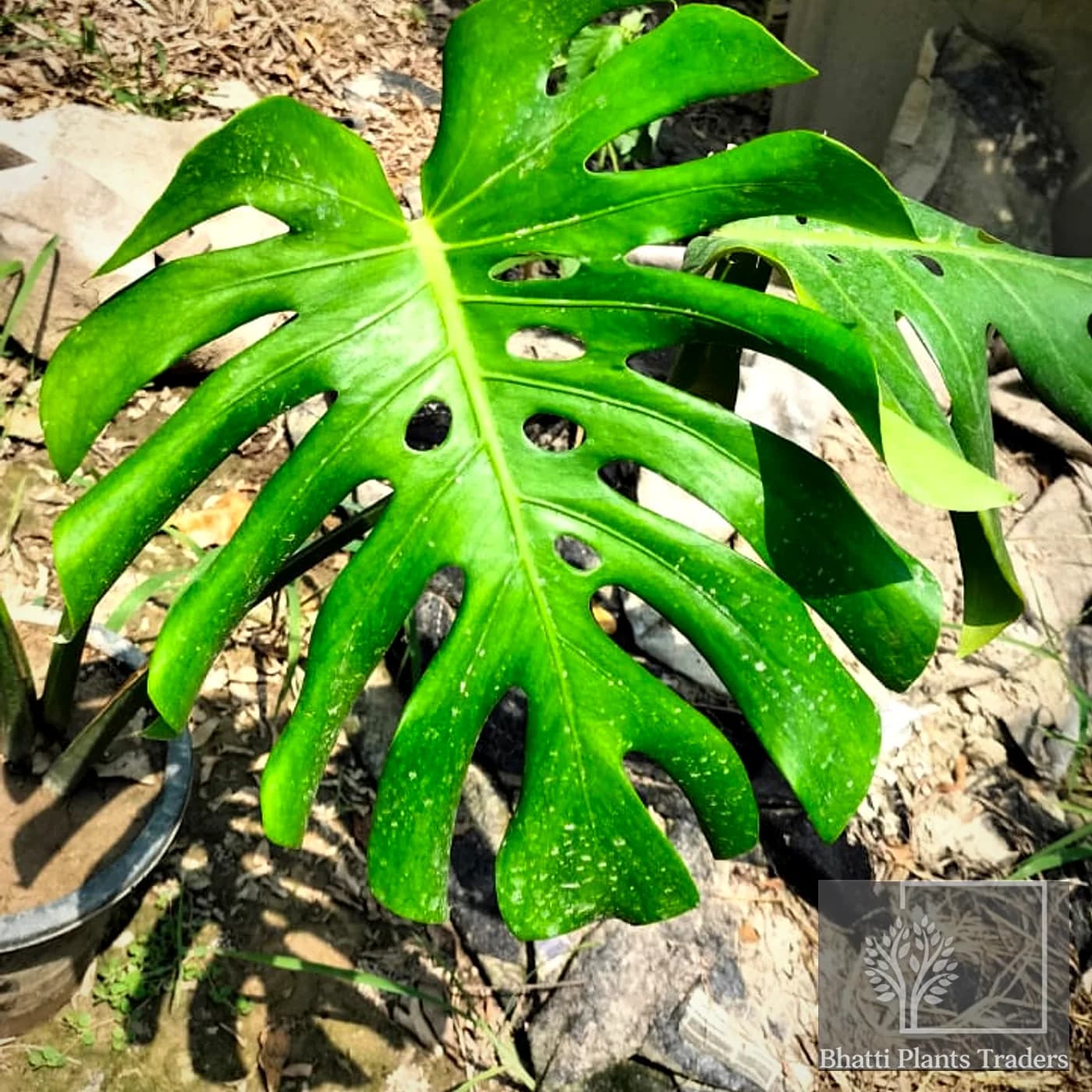
- Chunky aroid mix — 40% bark or coco chips, 25% perlite, 20% coco peat, 15% compost. For monstera, alocasia, philodendron and anything with thick aerial roots.
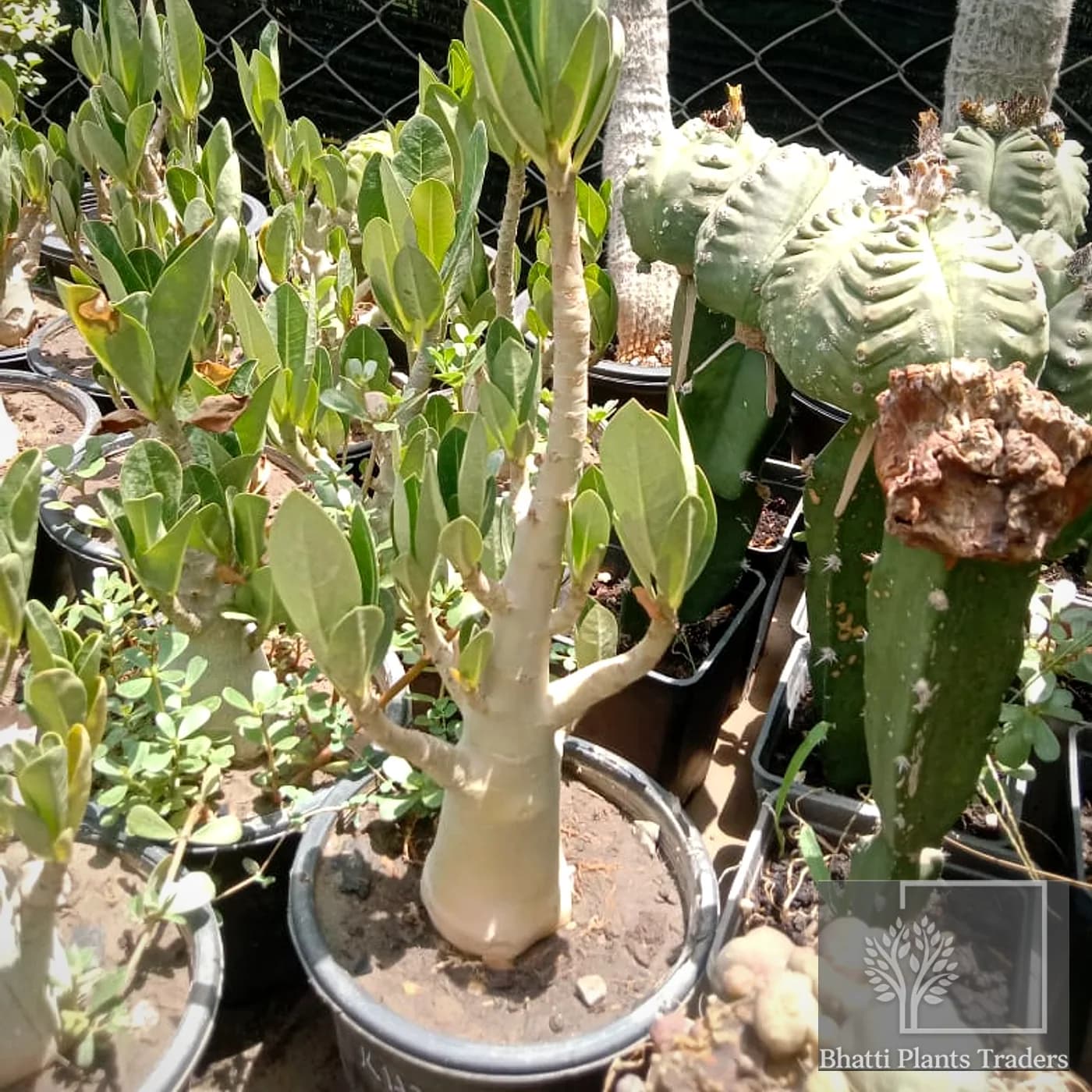
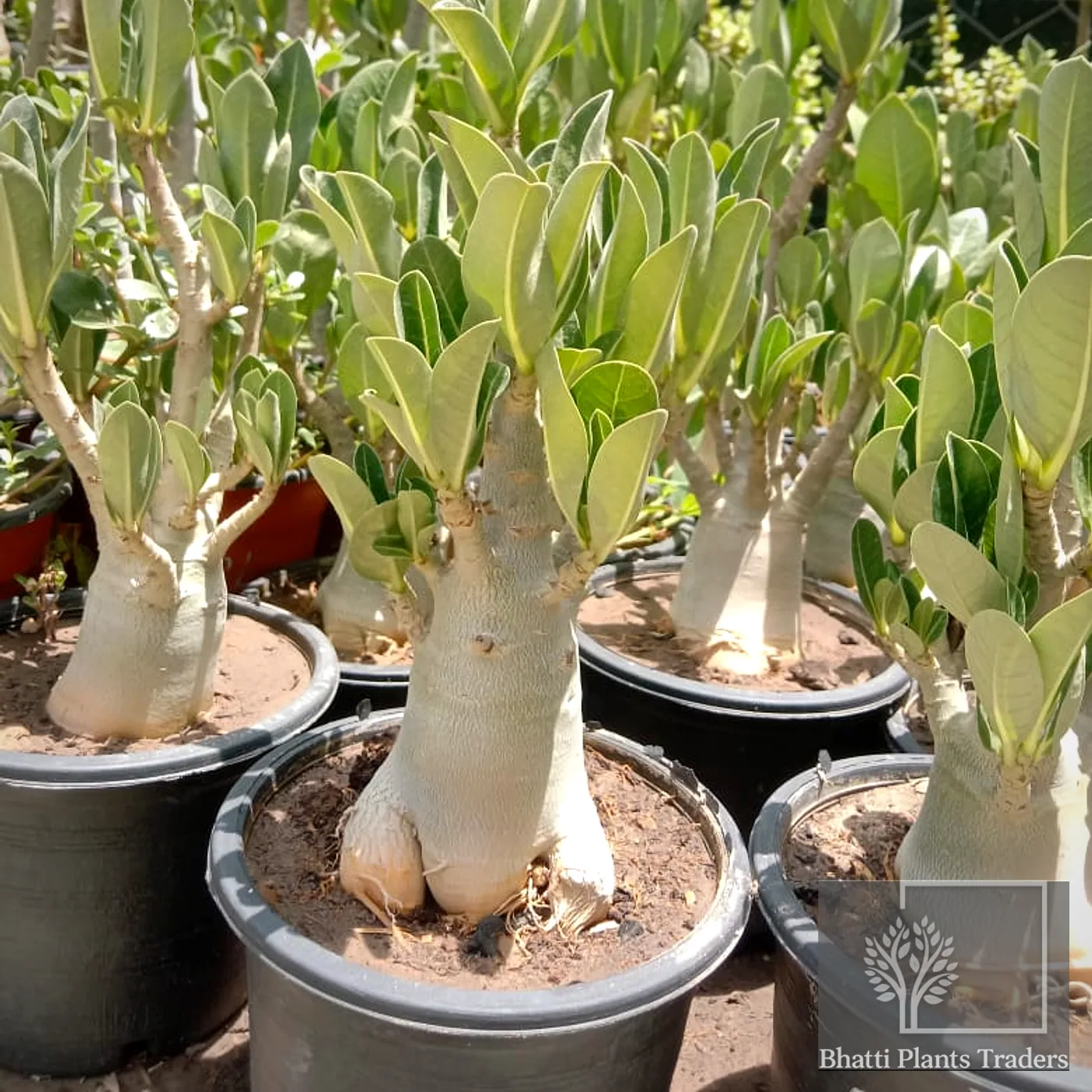
- Cactus and succulent mix — 50% coarse sand or grit, 30% perlite or pumice, 20% compost. For all cacti, adenium, pachypodium, sansevieria, haworthia, agave.
The drainage-layer myth
Putting gravel or broken pot shards in the bottom of a container to improve drainage does not work. It is one of the most persistent pieces of bad gardening advice in circulation.
Water does not move readily from a fine-textured layer into a coarse one; it accumulates at the boundary until the fine layer above is saturated. A gravel layer therefore raises the waterlogged zone rather than draining it, and reduces the usable soil volume at the same time. Use a good mix throughout, and cover the drainage hole with a small piece of mesh to stop soil washing out.
When to repot — and when not to
Repot when roots are circling the inside of the pot, emerging from the drainage hole, or when water runs straight through without wetting the mix. Do not repot simply because a plant has been in the same pot for a year; many plants flower and grow better slightly root-bound, and strelitzia in particular refuses to flower in an oversized pot.
Go up one pot size — about 5 cm more in diameter. A large jump surrounds a small rootball with a mass of wet, unused soil that stays sodden and rots the roots.
How to repot without setting the plant back
Water the plant a day before, so the rootball holds together. Ease it out rather than pulling by the stem. Tease apart the outer roots gently — if they are tightly circled, cut through them vertically in three or four places with a clean blade so new roots grow outward rather than continuing to spiral.
Set the plant at the same depth it was before, never deeper. Fill around it, tap the pot to settle the mix rather than compressing it with your hands, and water thoroughly. Then leave it alone: no fertiliser for a month, and keep it out of direct sun for a fortnight while the disturbed roots recover.
Terracotta versus plastic
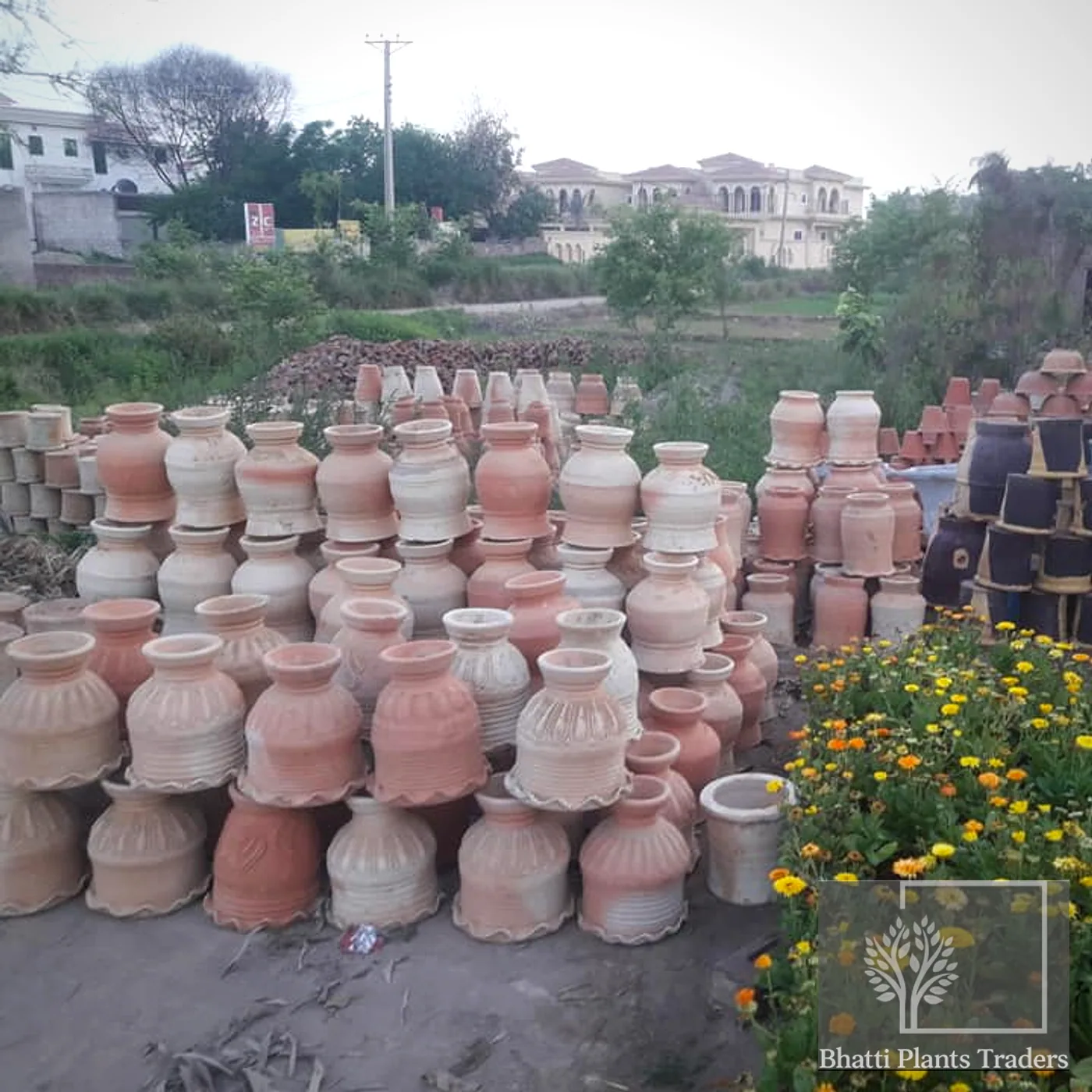
Unglazed terracotta is porous, so water evaporates through the pot wall. That means the mix dries faster and the root zone stays cooler — a genuine advantage in a hot climate and for anything prone to rot. It is the right pot for cacti, succulents, adenium and sansevieria.
Plastic holds moisture longer, which suits ferns, calatheas and anything that wants consistent moisture, and it is far lighter for large plants that need moving. Neither is better in general; they are different tools.