
Staff pick
 Bestseller
Photographs are of our actual stock, taken at the nursery. Plants are living things — expect small differences in shape and leaf count from the plant shown.
Indoor Plants
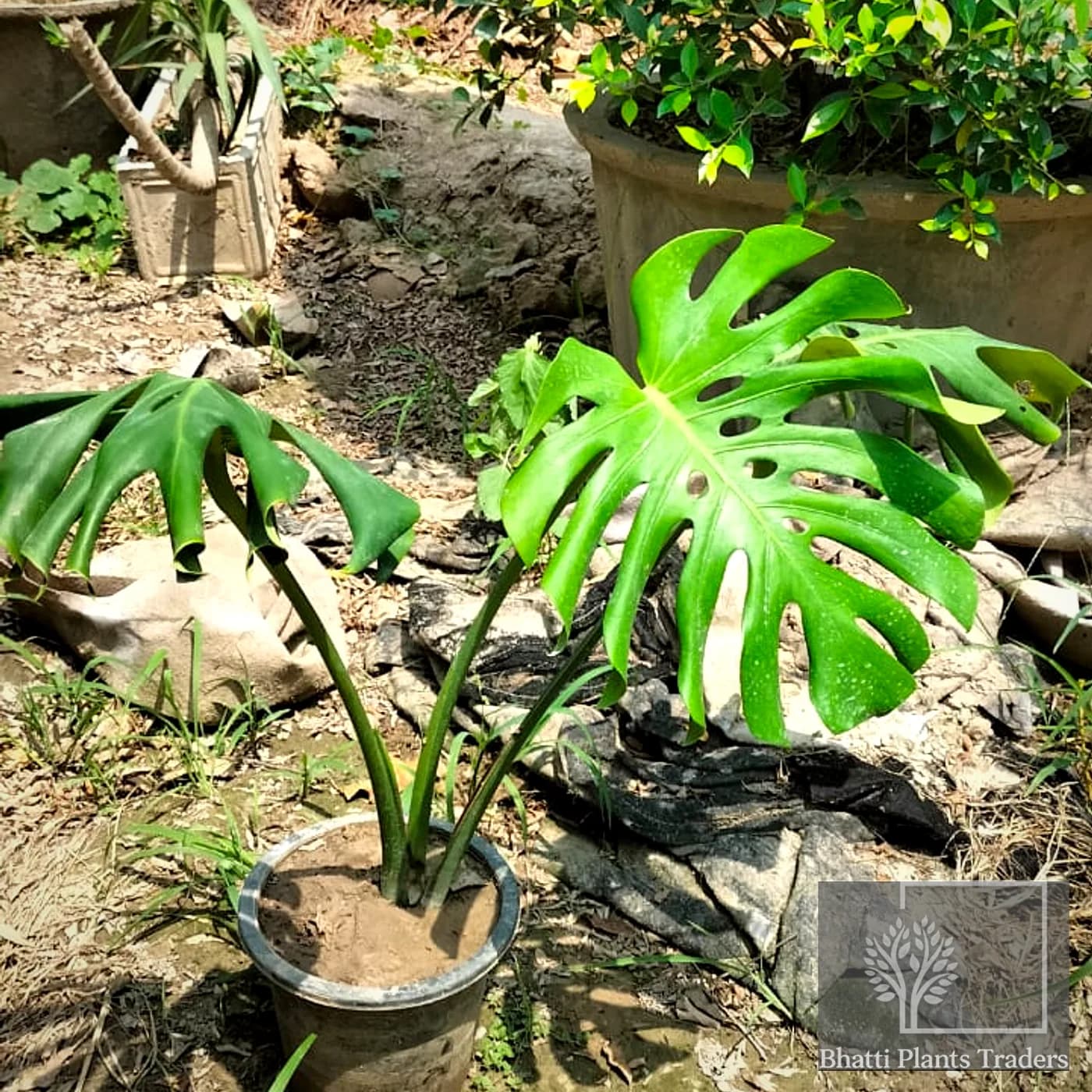
Monstera Deliciosa
Monstera deliciosa
There is a reason the monstera became the most photographed houseplant in the world. The leaves are huge, they split into that unmistakable silhouette as the plant matures, and it grows fast enough that you can watch it happen over a single summer.
Young plants have solid heart-shaped leaves — the fenestrations arrive with age and light, usually from the fourth or fifth leaf onward. Our plants ship at a size where splitting has already started, so you are not waiting a year to find out whether it will.
- Ships already fenestrating — no waiting to see if it will split
- Fast: expect a new leaf every three to four weeks in summer
- Aerial roots can be trained onto a pole or tucked back into the pot
Rs 3,150for the 12 inch pot
Inclusive of pot and mix. Delivery Rs 350, free over Rs 5,000.
1
4.9(156 reviews) In stock, dispatched in 1–2 working days
Packed by hand
Dispatched in 1–2 working days
7-day guarantee
Replaced or refunded if damaged
Grown by us
Never bought in and resold
At a glance
- Mature size
- 1.5–2.5 m indoors with support
- Growth rate
- Fast
- Difficulty
- Easy to keep
- Around pets
- Keep away from cats, dogs and small children
Bright indirect lightFloor plantLiving roomAir purifying
How to look after your Monstera Deliciosa
Written for Pakistani conditions — long hot summers, dry winter air, and hard tap water. Follow this rather than advice written for a temperate climate.
- Light
- Bright, filtered light. A metre back from an east or north window is ideal. Direct summer sun through glass will scorch the leaves within days.
- Water
- Water when the top 3–4 cm of mix is dry — roughly weekly in summer, every 12–15 days in winter. Drench until it runs from the drainage hole, then let it drain fully.
- Humidity
- Prefers 50–60%. In dry Punjab winters, group plants together or stand the pot on a tray of wet pebbles. Misting alone does very little.
- Soil
- Chunky, airy aroid mix — bark, perlite and coco peat. Aroid roots need air as much as they need water; dense garden soil will rot them.
- Feeding
- Balanced liquid feed at half strength every 3 weeks from March to October. Do not feed in December and January.
- Temperature
- 18–30°C. Move away from a direct AC draught, and off cold tile floors below 12°C.
If something goes wrong
Yellow lower leaves
Why it happens: Overwatering — the most common cause by far.
What to do: Let the mix dry to 5 cm depth, then water less often. Check that the drainage hole is not blocked.
Brown, crispy leaf edges
Why it happens: Dry air or salt build-up from tap water.
What to do: Raise humidity, and flush the pot with a large volume of water once a month.
Small new leaves, long bare stem
Why it happens: Not enough light.
What to do: Move closer to a window. Aroids stretch toward light rather than complaining first.
You might also like
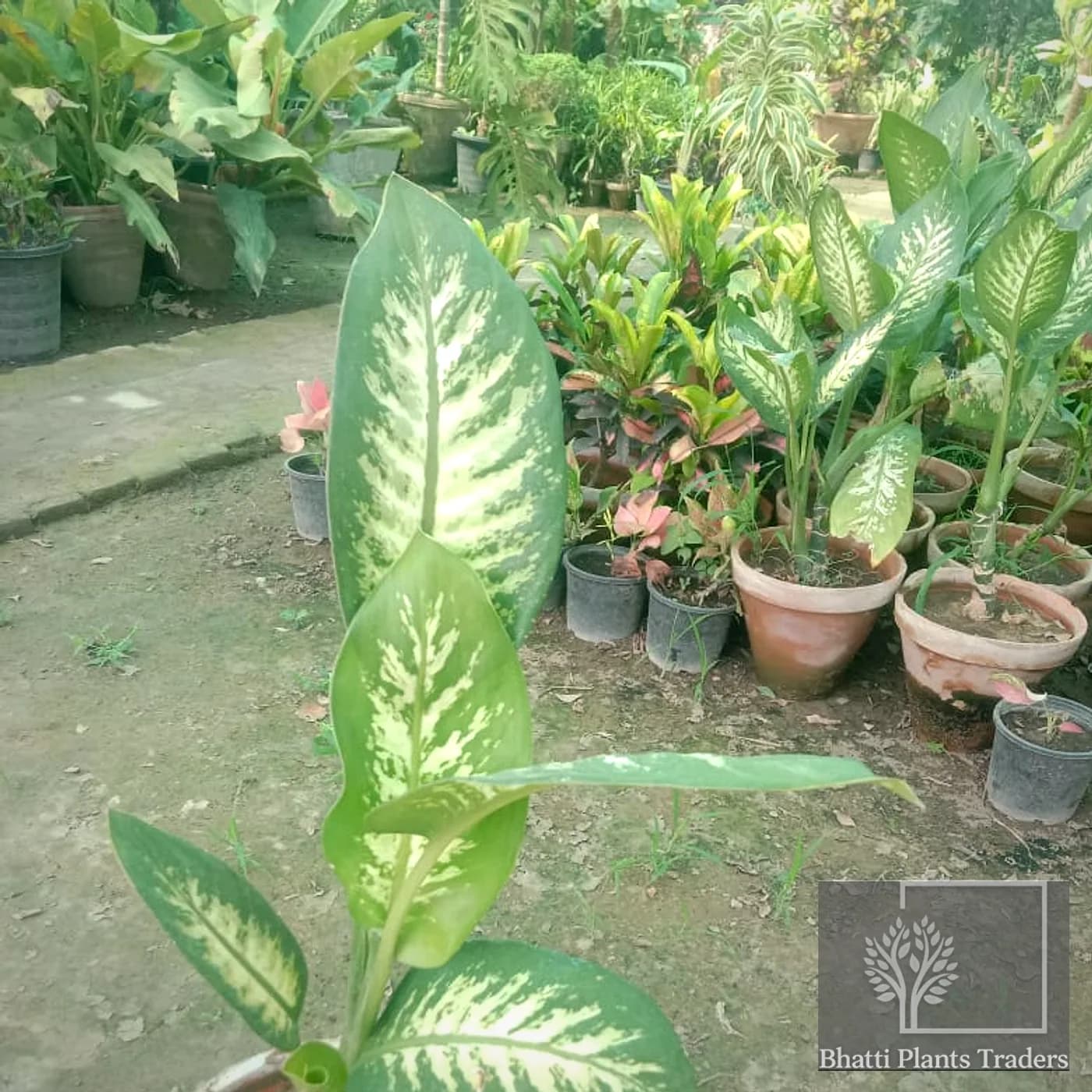
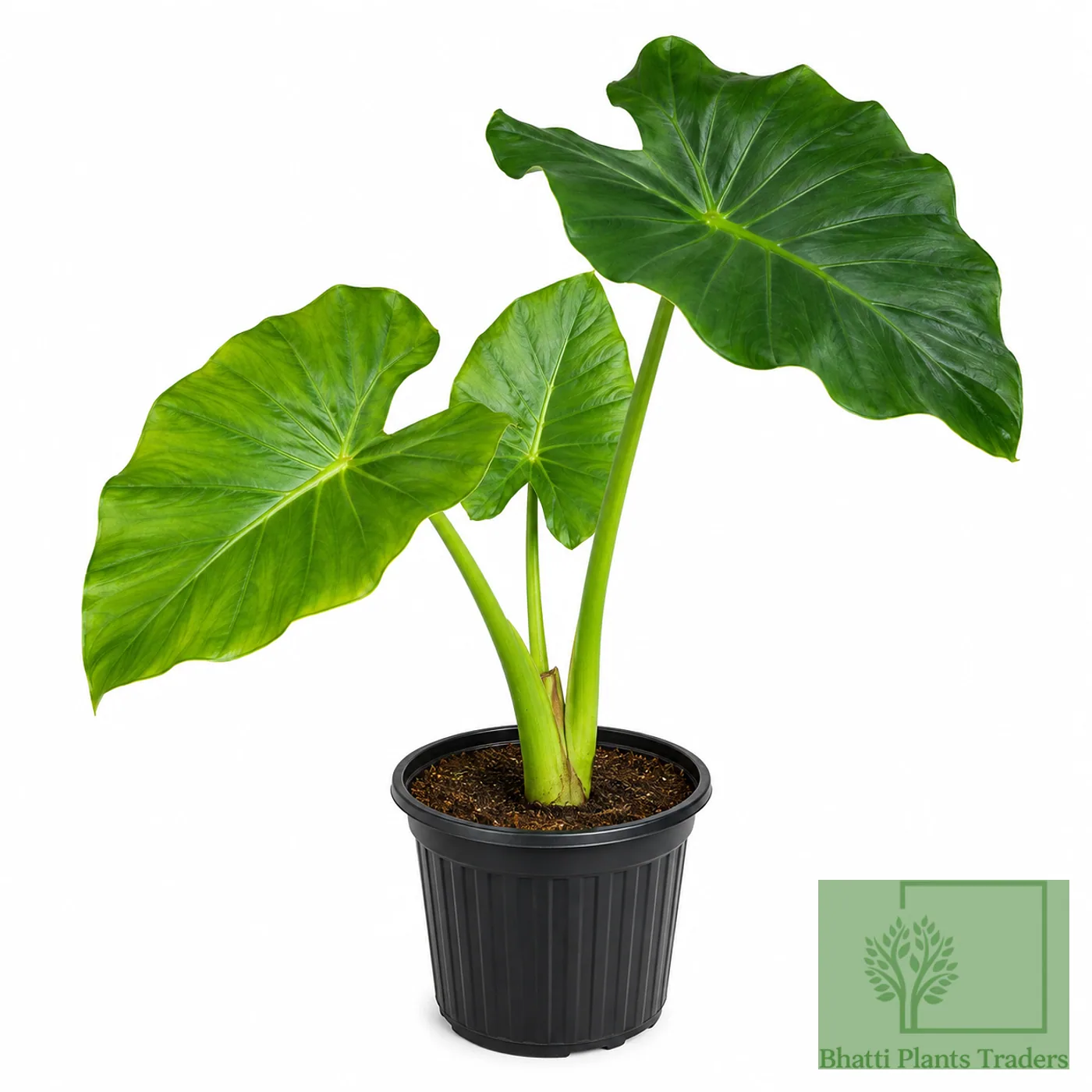
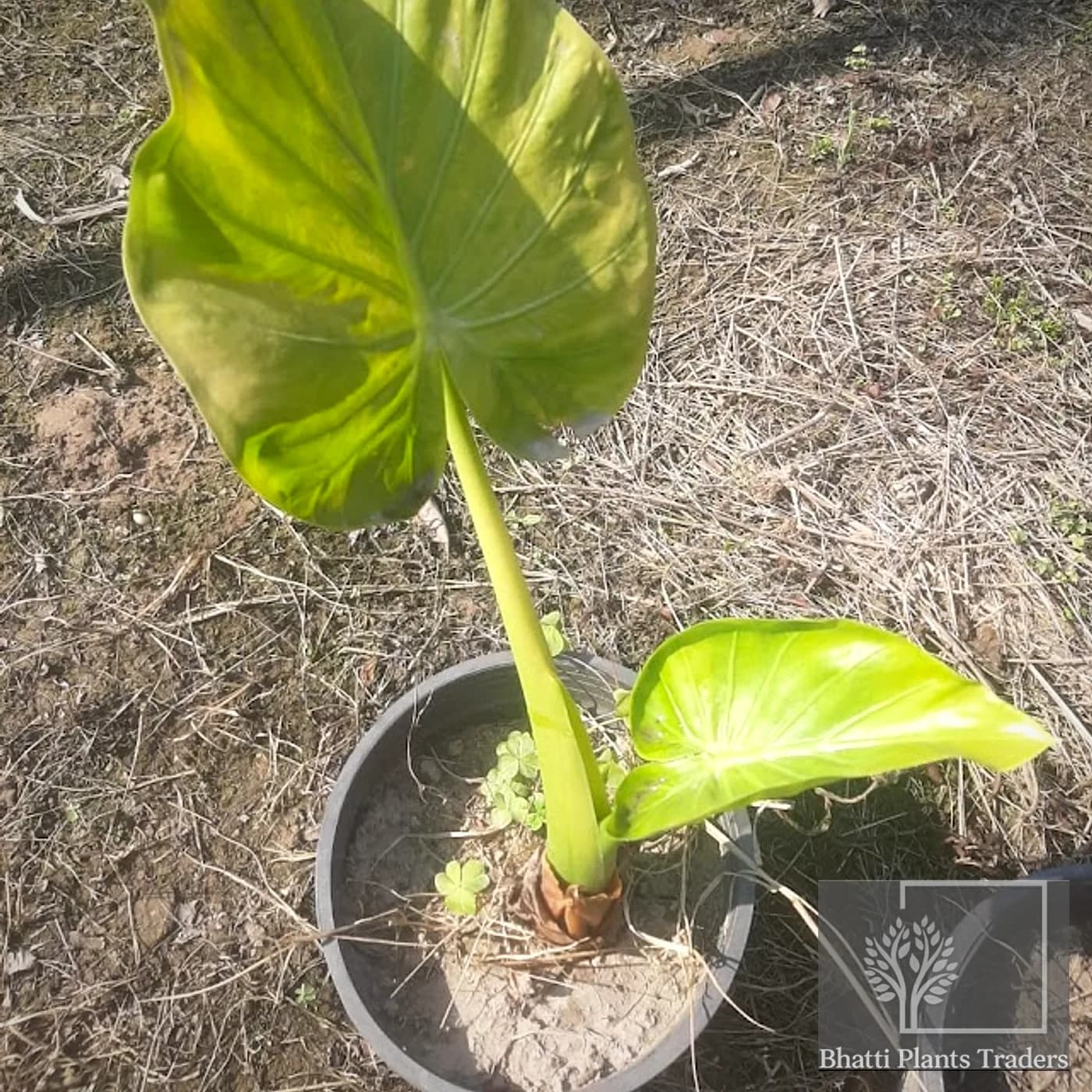
Rare
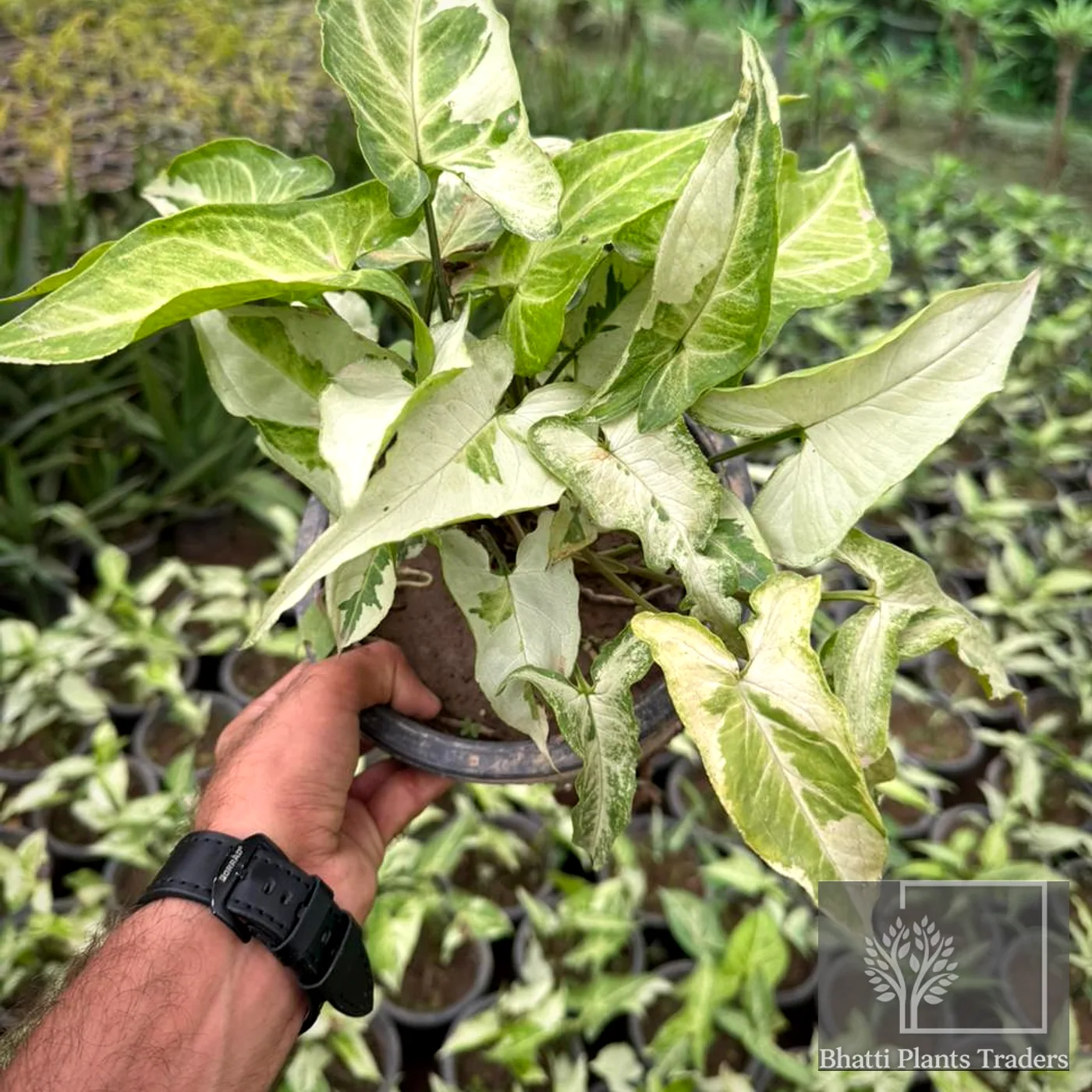
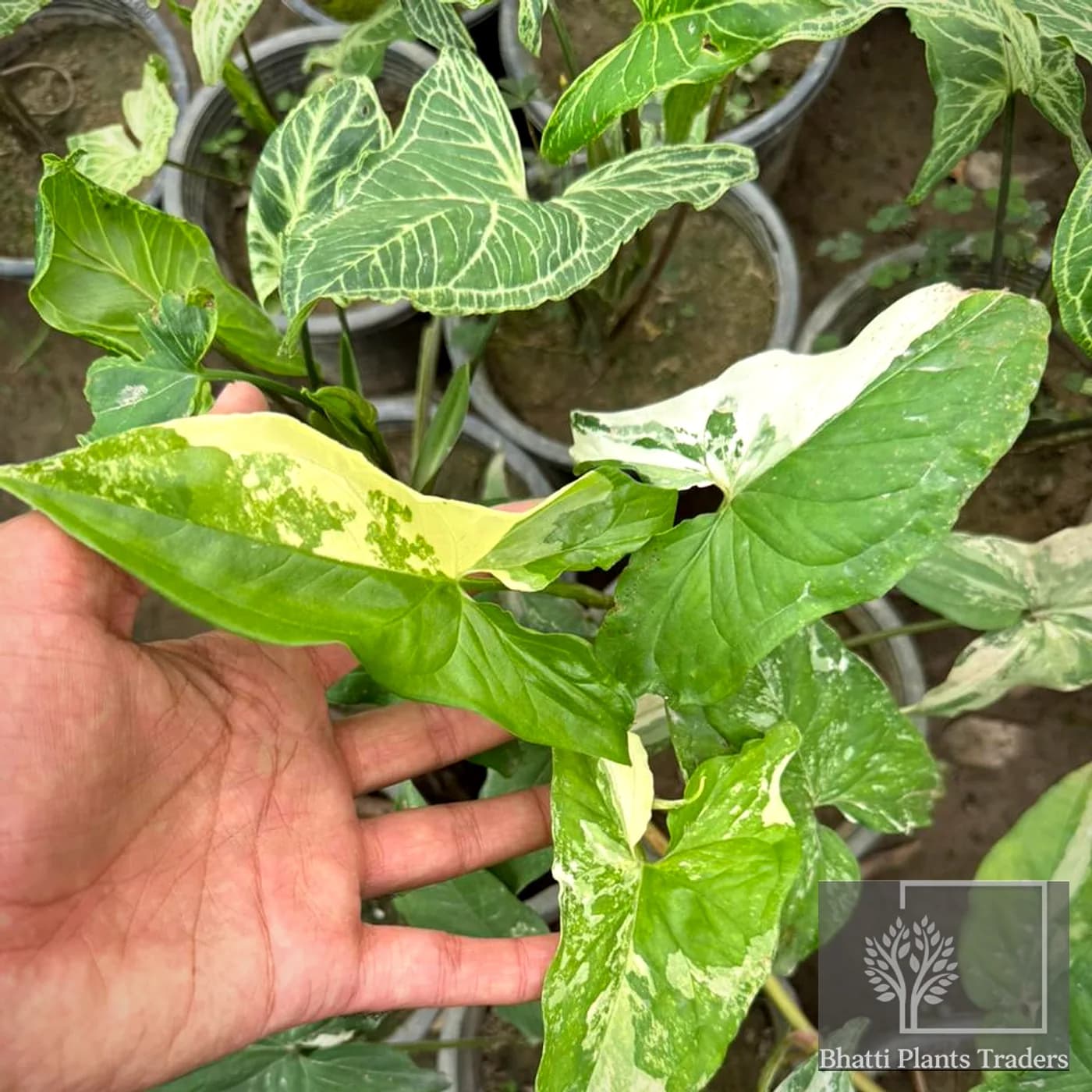
Snow-white sectoral variegation — a genuine collector aroid.
fromRs 8,000