Light6 min read
Reading the light in your home — and choosing plants for it
Light is the single factor that decides whether a plant thrives or slowly declines. Here is how to measure yours honestly, without any equipment.
People consistently overestimate how bright their homes are. A room that feels perfectly well lit to human eyes — which adapt automatically and are extraordinarily good in low light — can be delivering a fraction of what a plant needs to hold its leaves.
You do not need a light meter. You need one test, thirty seconds, and the willingness to accept the answer.
The shadow test
At around midday on a clear day, hold your hand about 30 cm above a sheet of white paper in the position you are considering, and look at the shadow.
- Sharp shadow with hard edges: direct light. Suits cacti, succulents, adenium, bougainvillea, plumeria.
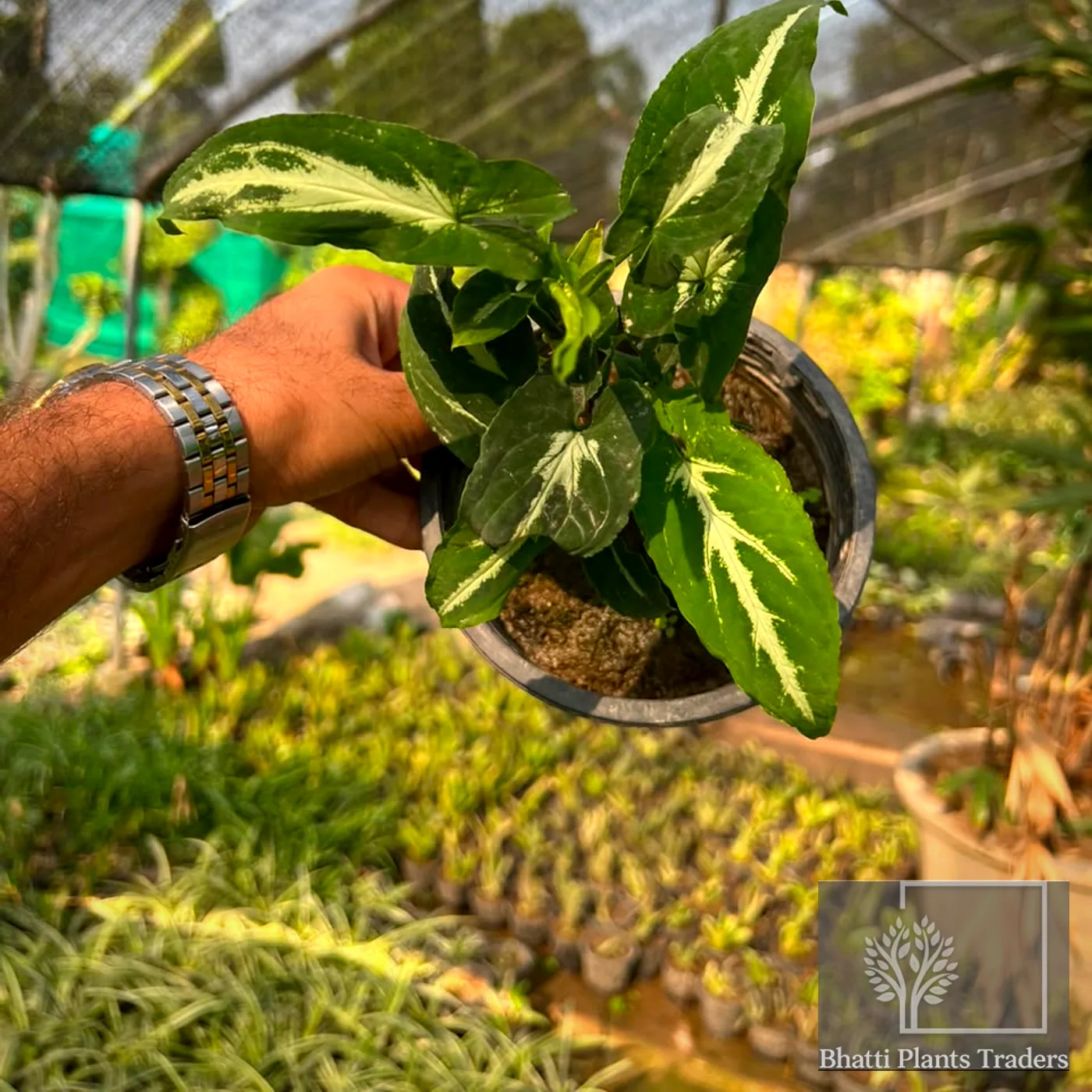
- Soft shadow with clearly defined edges: bright indirect light. This is the sweet spot — monstera, syngonium, ficus, sansevieria, most aroids.
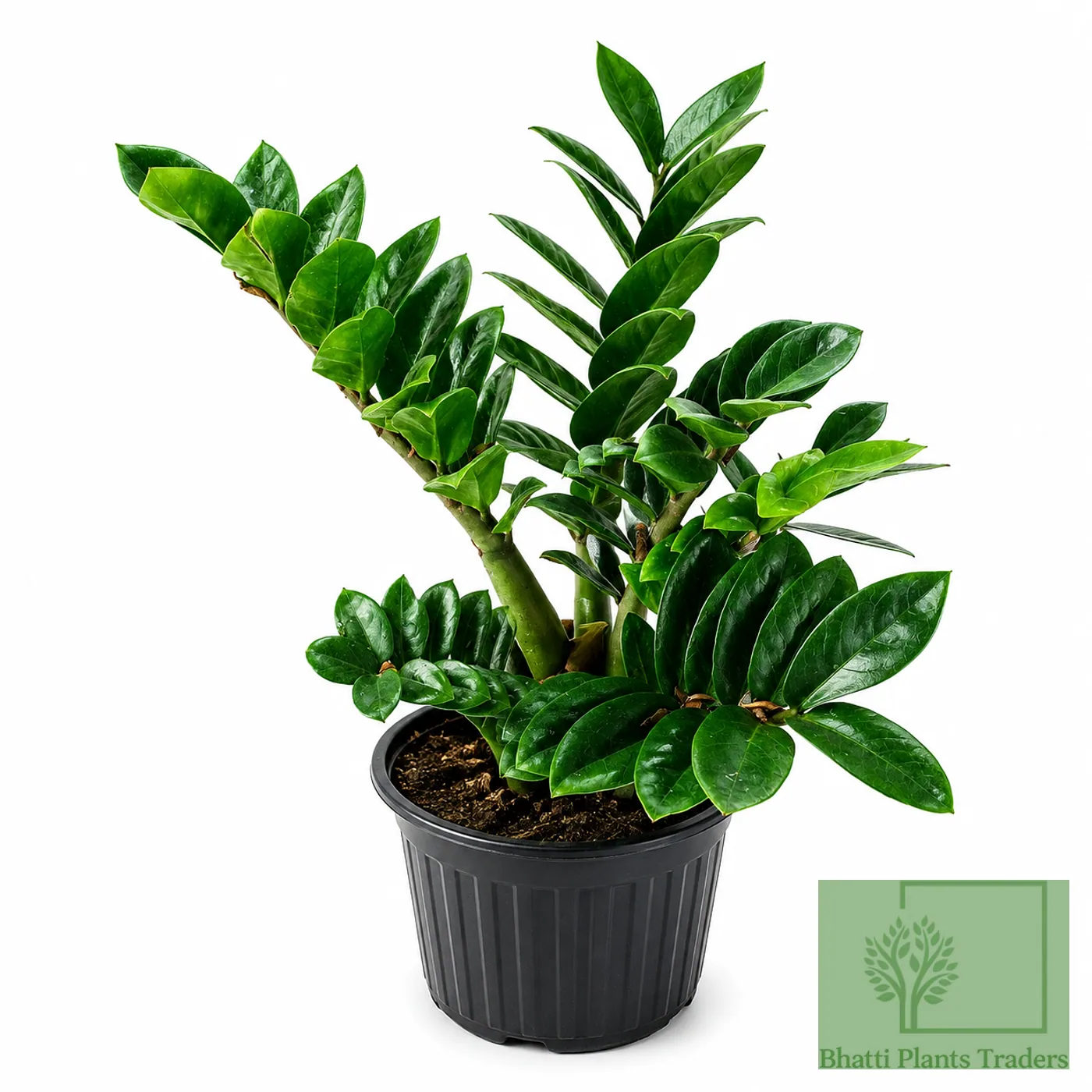
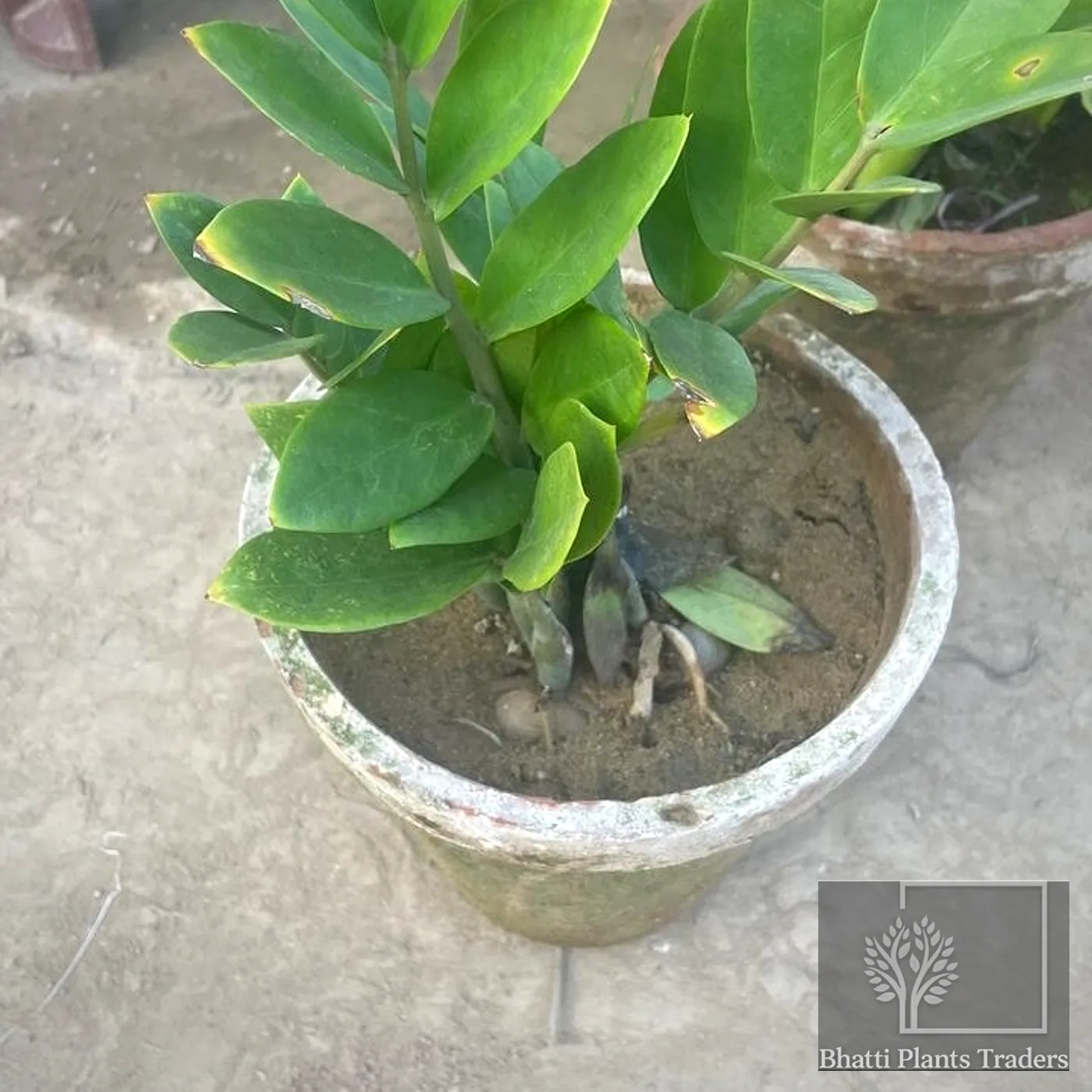
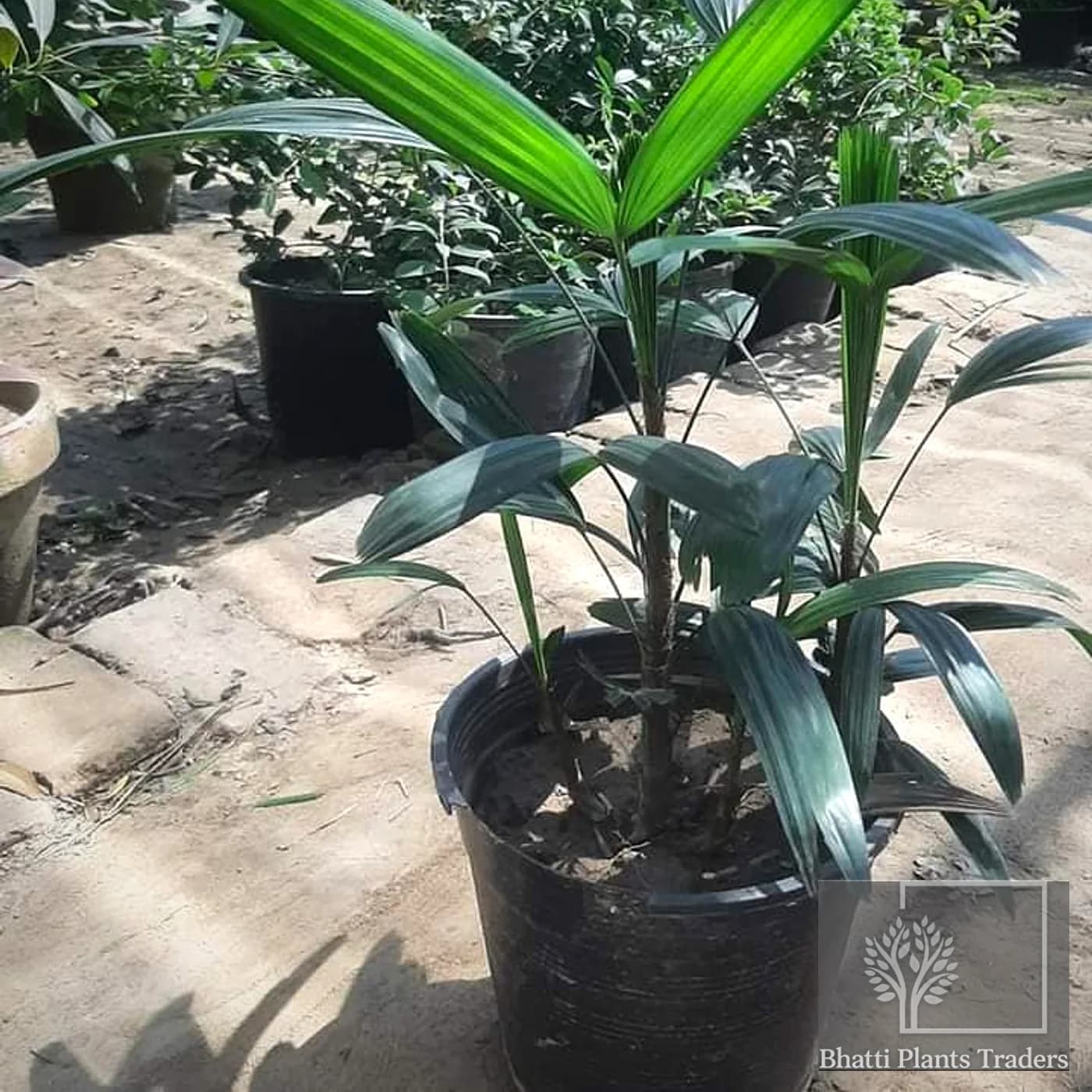
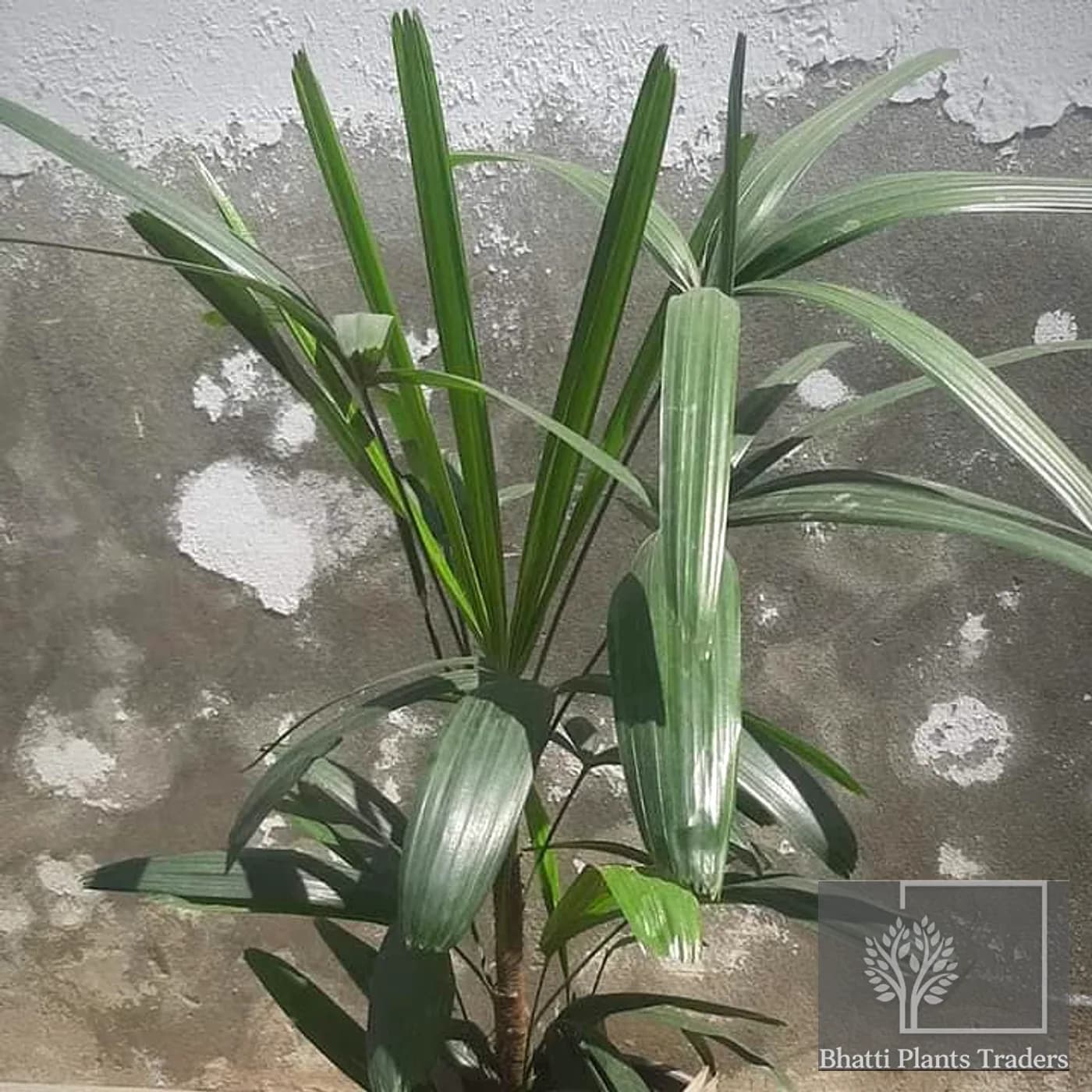
- Fuzzy, faint shadow: medium light. Aglaonema, dracaena, ZZ, lady palm, dieffenbachia.
- No discernible shadow at all: low light. Only ZZ, aglaonema, snake plant and lady palm will genuinely hold here — and they will grow slowly.
Direction matters more than you think
In Pakistan, a south or west-facing window delivers punishing afternoon light for much of the year — enough to scorch an aroid through glass in a single afternoon, and exactly right for a rooftop cactus collection. East-facing windows give a few hours of gentle morning sun, which is the best light in most houses for most plants.
North-facing windows give consistent, soft light all day with no direct sun at all. That is ideal for calatheas and ferns, adequate for aglaonema and pothos, and not enough for anything that flowers.
Distance halves the light faster than you expect
Light intensity falls off sharply with distance from a window — a plant two metres into a room is receiving a small fraction of what a plant on the sill gets, even though both look equally well lit to you.
This is why the same species thrives on a windowsill and slowly declines on a bookshelf across the room. If a plant is stretching, producing smaller new leaves, or losing its variegation, the fix is almost always to move it a metre closer to the glass.
What variegation costs
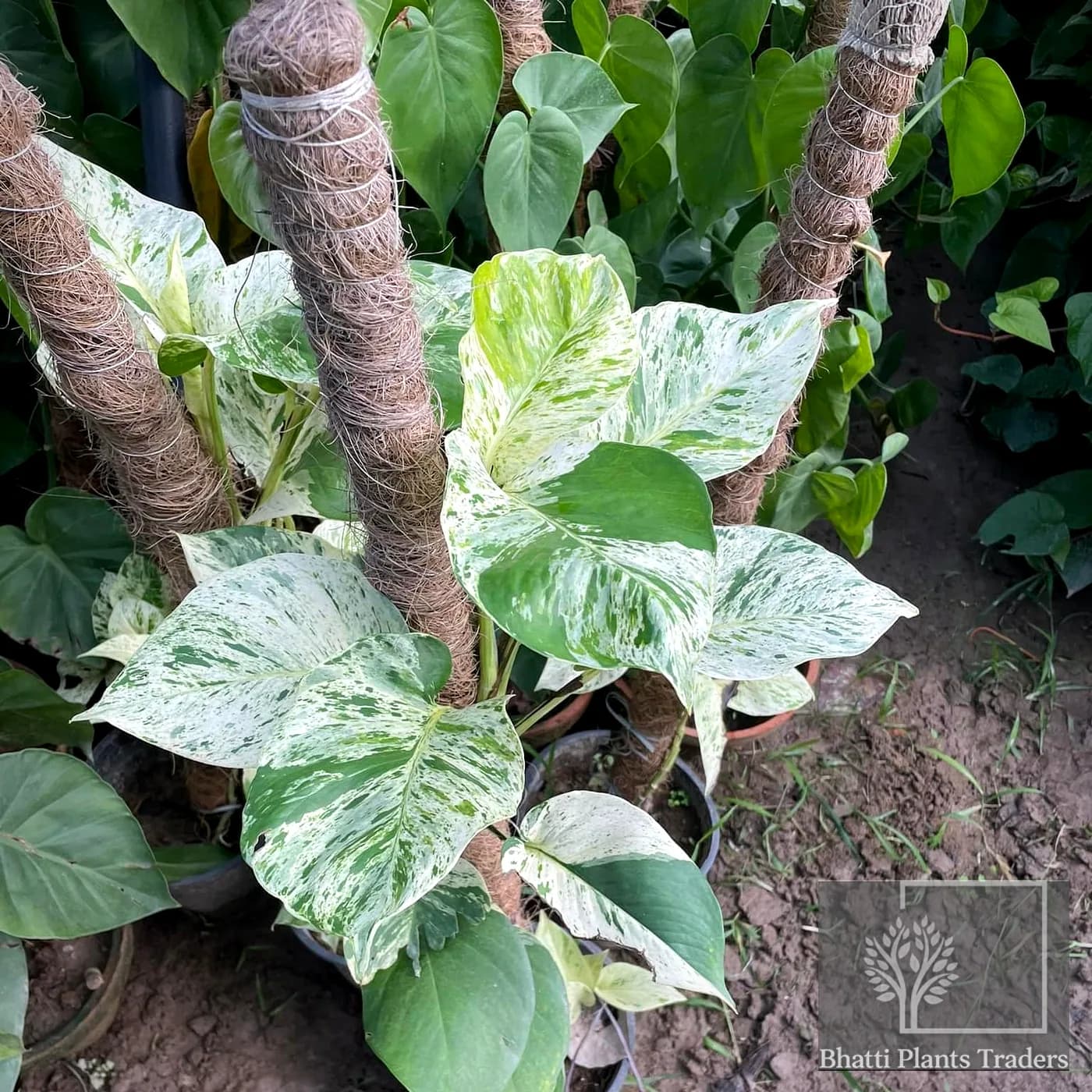
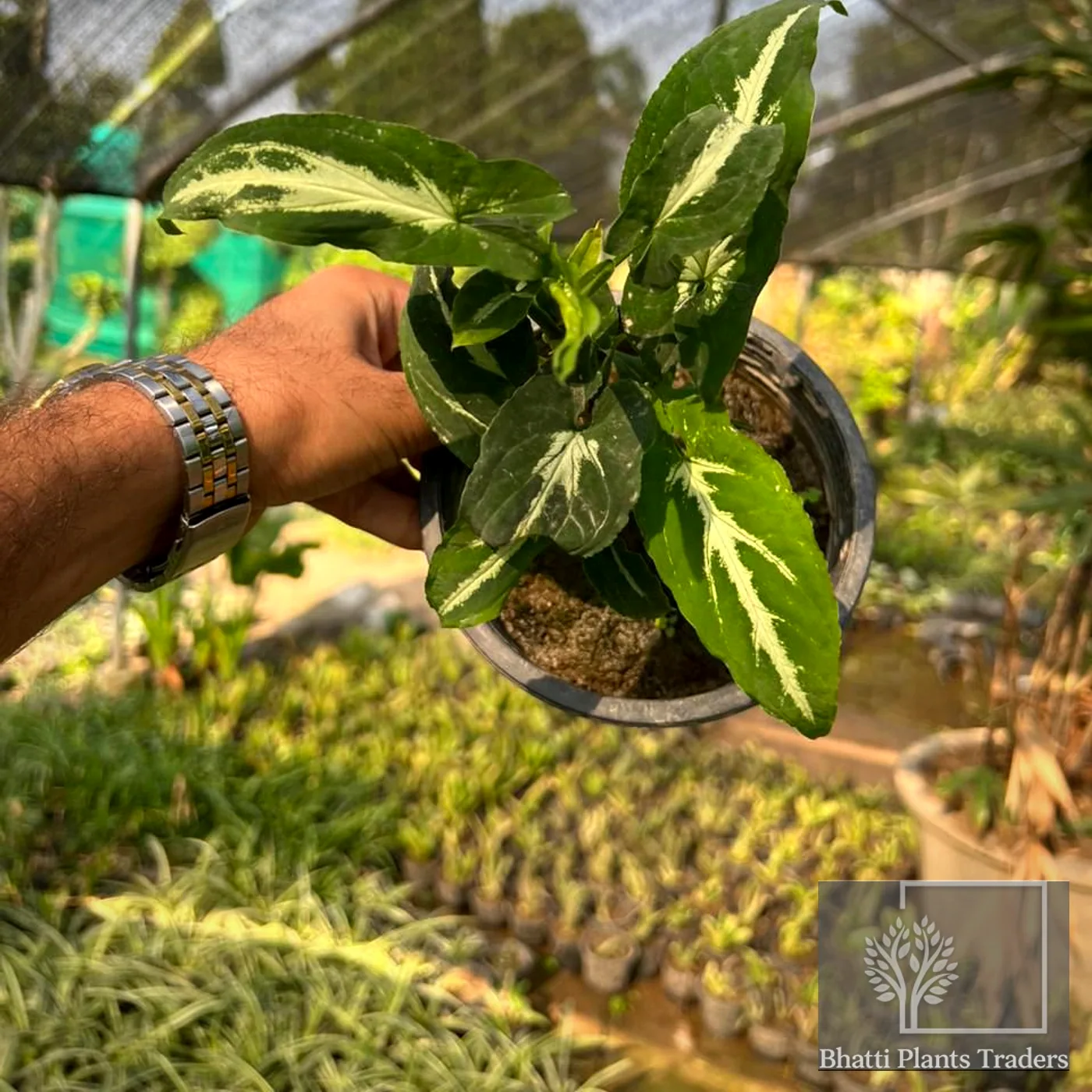
White and cream sections of a leaf contain no chlorophyll and produce no energy — they are, from the plant’s point of view, dead weight that the green sections have to carry. A heavily variegated plant therefore needs meaningfully more light than the plain form of the same species.
This is why a Marble Queen pothos reverts to green in a corner where a golden pothos stays happy, and why an albo syngonium needs a genuinely bright position. If you have bought a variegated plant and it is producing progressively greener leaves, it is telling you it cannot afford the variegation in that light.