
Bestseller
 Rare
RareThese photographs show the species, not the individual tree. Specimens this size are selected by hand — we photograph the actual tree allocated to your order and send it to you before dispatch, and you can decline it if it is not right.
Palms & Trees
Traveller’s Palm
Ravenala madagascariensis
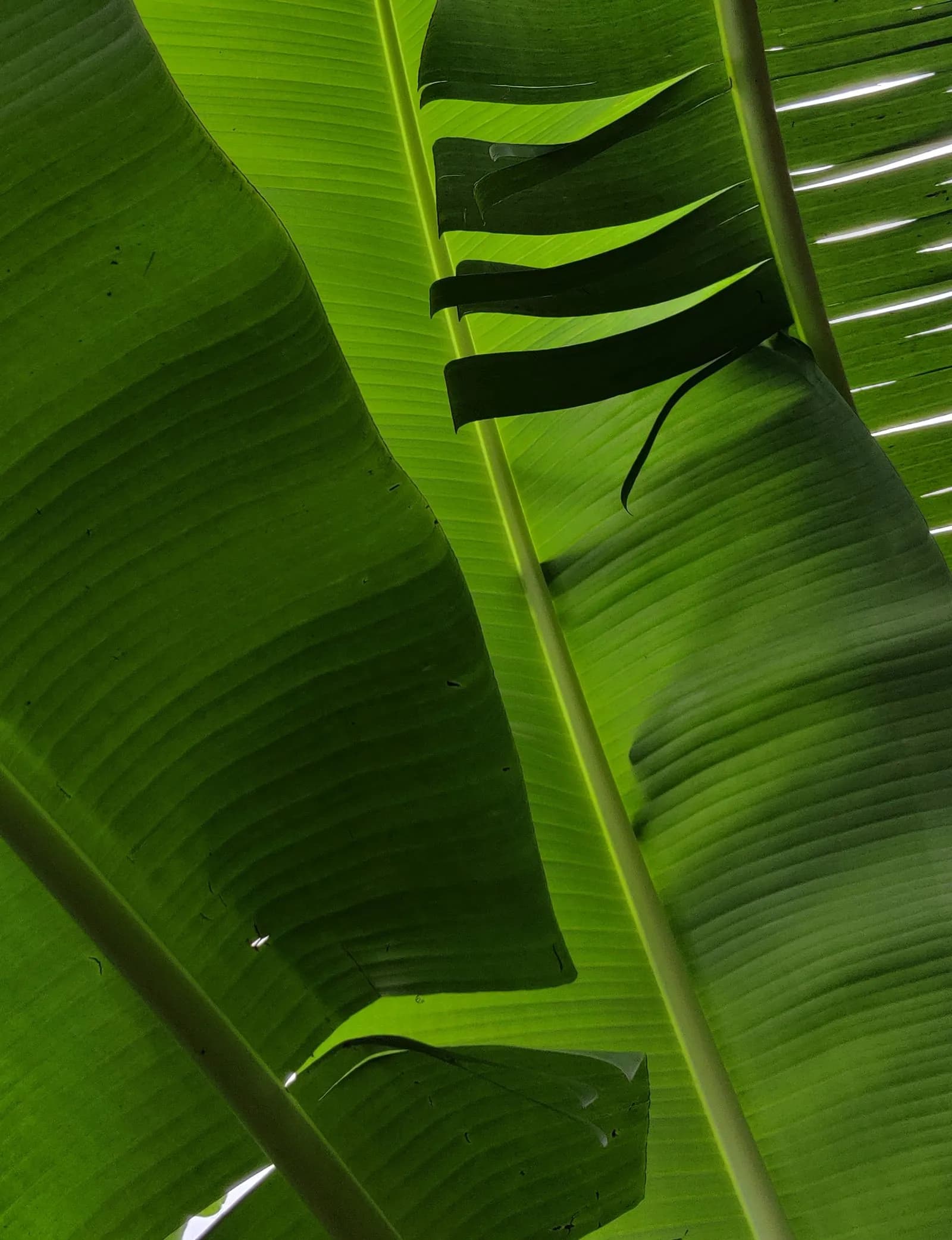
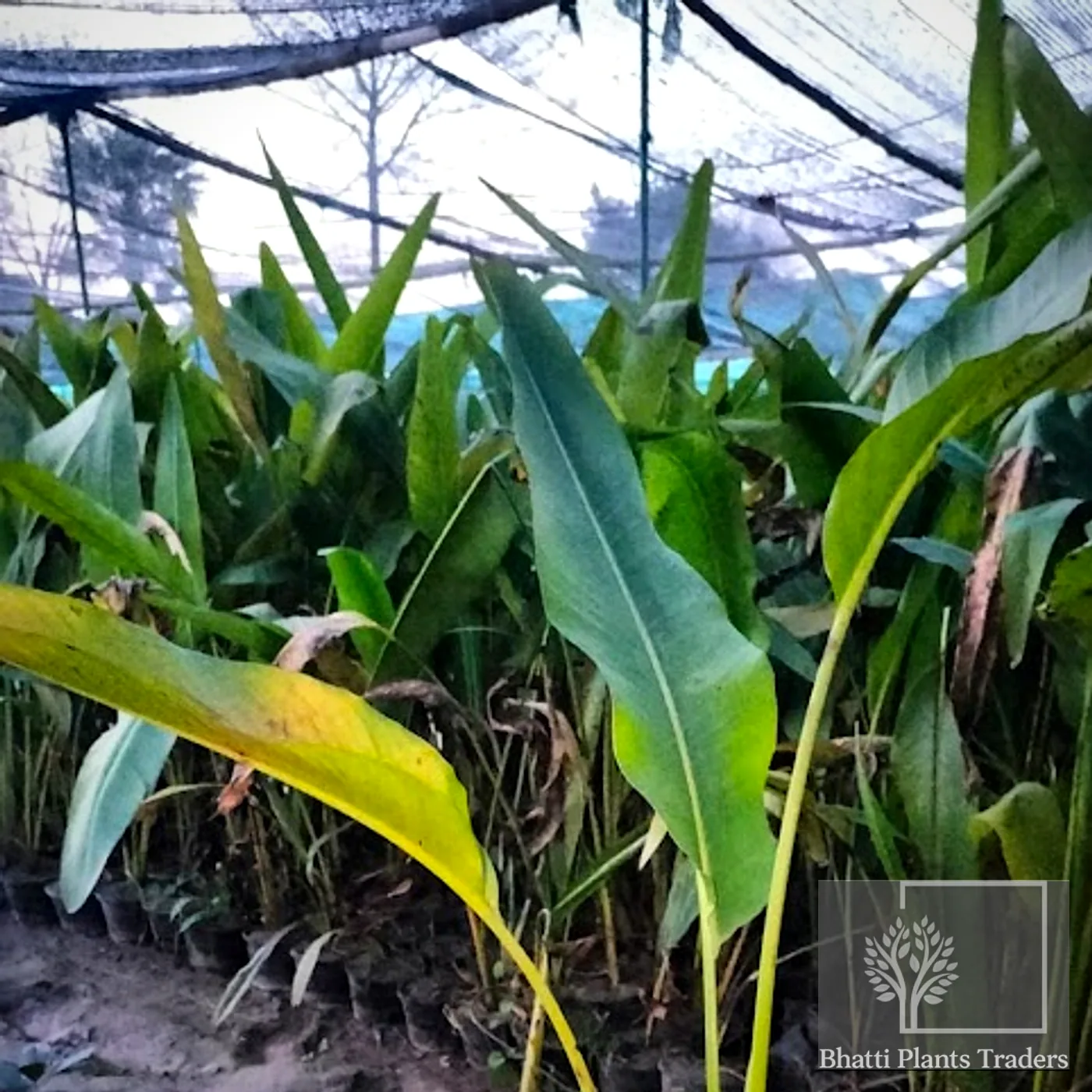
The traveller’s palm is not a palm either — it is a relative of the bird of paradise — but it is the single most dramatic architectural plant we sell. The leaves are huge and banana-like, and they are held in one flat plane, so the whole plant forms a giant vertical fan.
Seen face-on it is spectacular; seen edge-on it almost disappears. That makes placement matter more than with anything else here. Give it a wall to stand against and room to be viewed from the front.
- Leaves held in a single flat plane — a giant vertical fan
- Placement is everything: it must be viewed face-on
- Fast once established, and thrives in monsoon humidity
Rs 5,500for the 3 ft
Inclusive of pot and mix. Delivery free on this size.
1
4.9(12 reviews)Only 6 left
Packed by hand
Dispatched in 1–2 working days
7-day guarantee
Replaced or refunded if damaged
Grown by us
Never bought in and resold
At a glance
- Mature size
- 7–10 m
- Growth rate
- Fast in warmth
- Difficulty
- Moderate to keep
- Around pets
- Non-toxic — safe if chewed
Full sunCourtyardPoolsideLandscape
How to look after your Traveller’s Palm
Written for Pakistani conditions — long hot summers, dry winter air, and hard tap water. Follow this rather than advice written for a temperate climate.
- Light
- Most prefer full sun once established; indoor palms want bright, filtered light.
- Water
- Deeply twice a week in summer, weekly in winter. Palms dislike both drought and standing water.
- Humidity
- Moderate. Indoor palms benefit from raised humidity in winter.
- Soil
- Sandy, free-draining soil. Palms rot at the crown in heavy, wet ground.
- Feeding
- Specialist palm feed containing magnesium and manganese, three times a year. Ordinary NPK causes yellow banding.
- Temperature
- 15–48°C for outdoor species. Protect indoor palms below 12°C.
If something goes wrong
Yellow bands on older fronds
Why it happens: Magnesium or potassium deficiency — very common in palms.
What to do: Apply a palm-specific feed. Do not remove yellowing fronds; the palm is still drawing nutrients from them.
Brown, dry frond tips
Why it happens: Dry air, salt build-up, or under-watering.
What to do: Water deeply, flush the soil, and raise humidity for indoor palms.
Soft, foul-smelling crown
Why it happens: Crown rot from water sitting in the growing point.
What to do: Usually fatal. Prevent it by never watering into the crown.
Arecaceae
We grow 11 palms
They differ in leaf shape, mature size and colour — compare them side by side before you choose.
Staff pick
You might also like
Staff pick
Staff pick
Staff pick
Collector
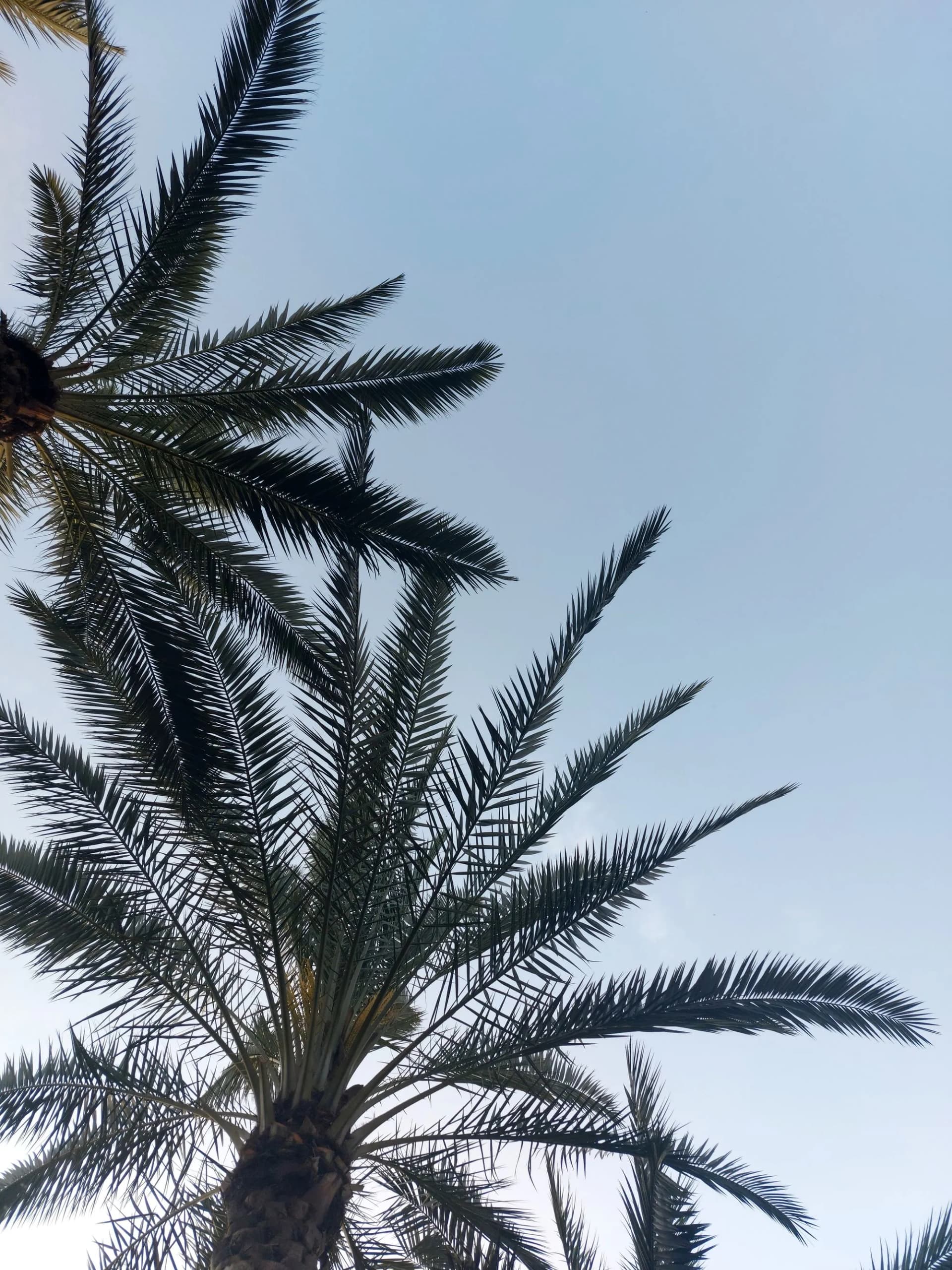
A massive pineapple-trunked crown — the grandest palm we grow.
fromRs 9,000