
Bestseller
 Staff pick
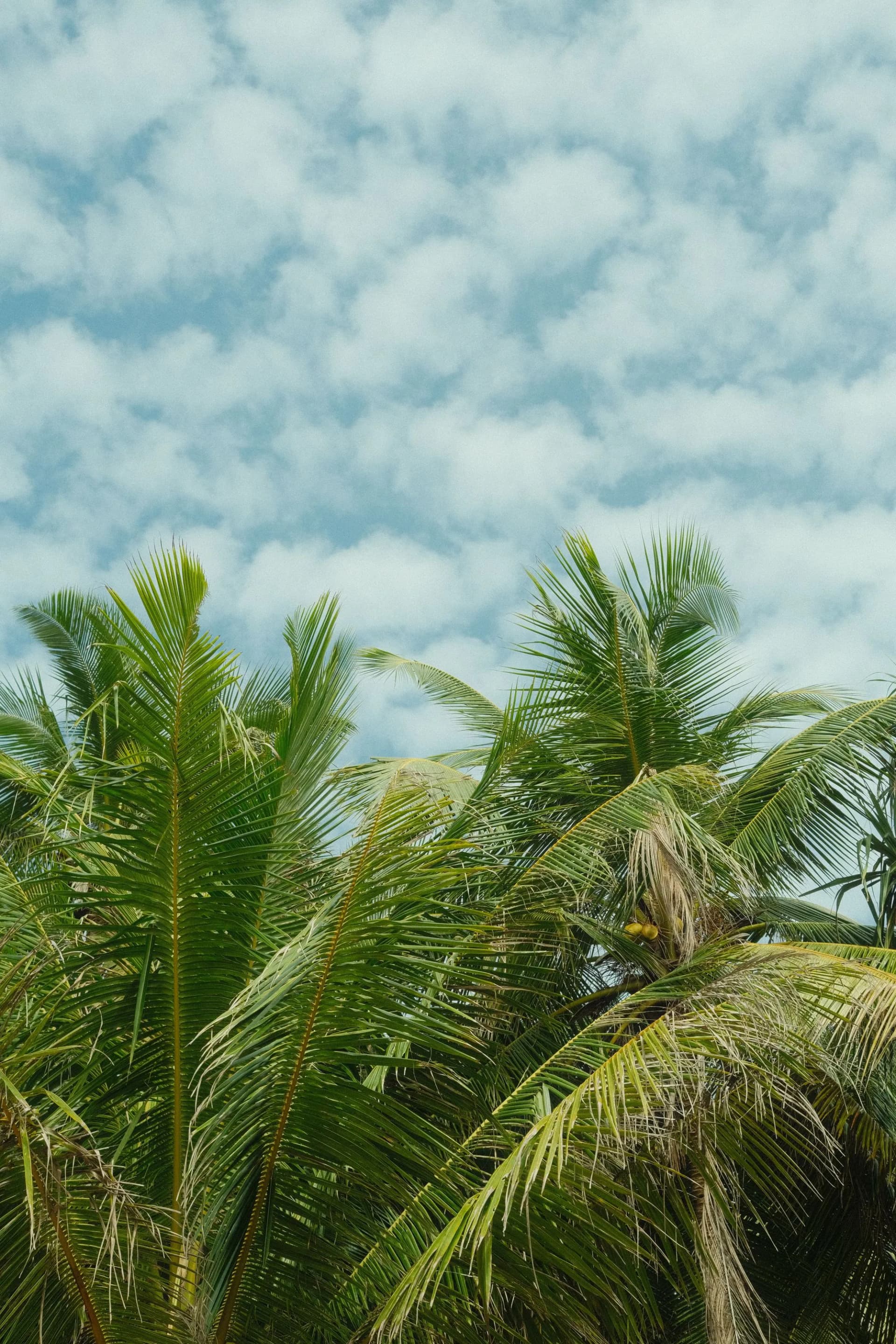
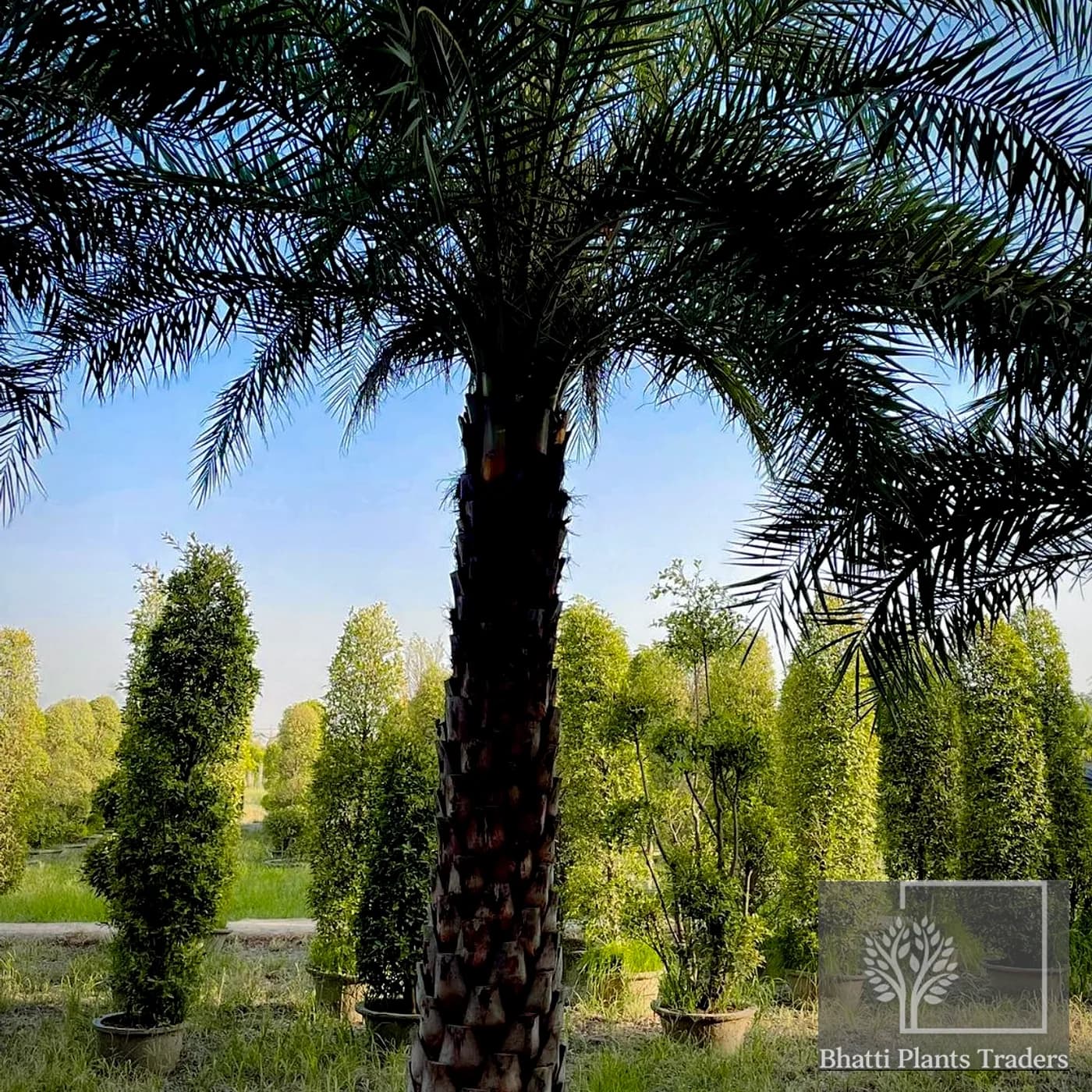
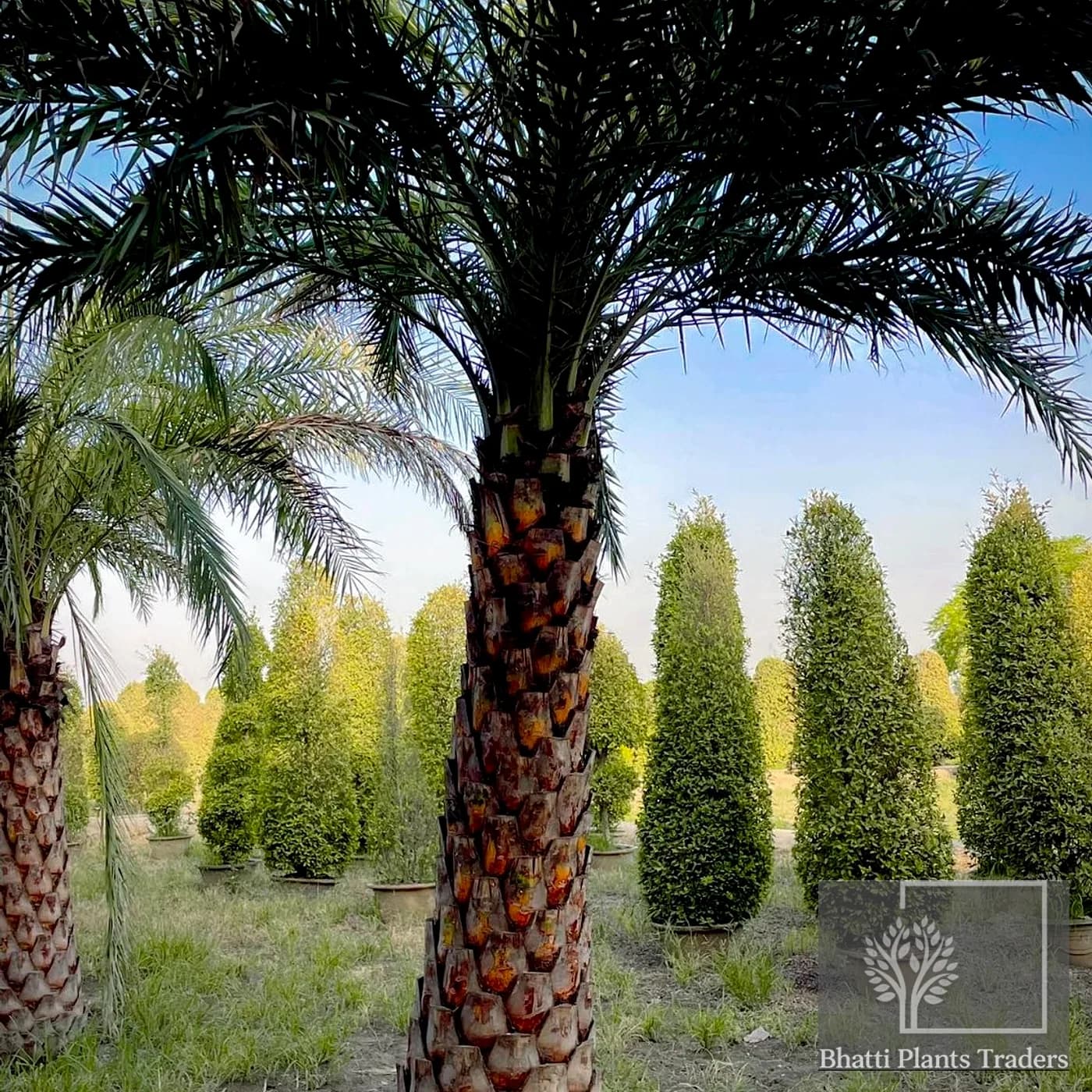
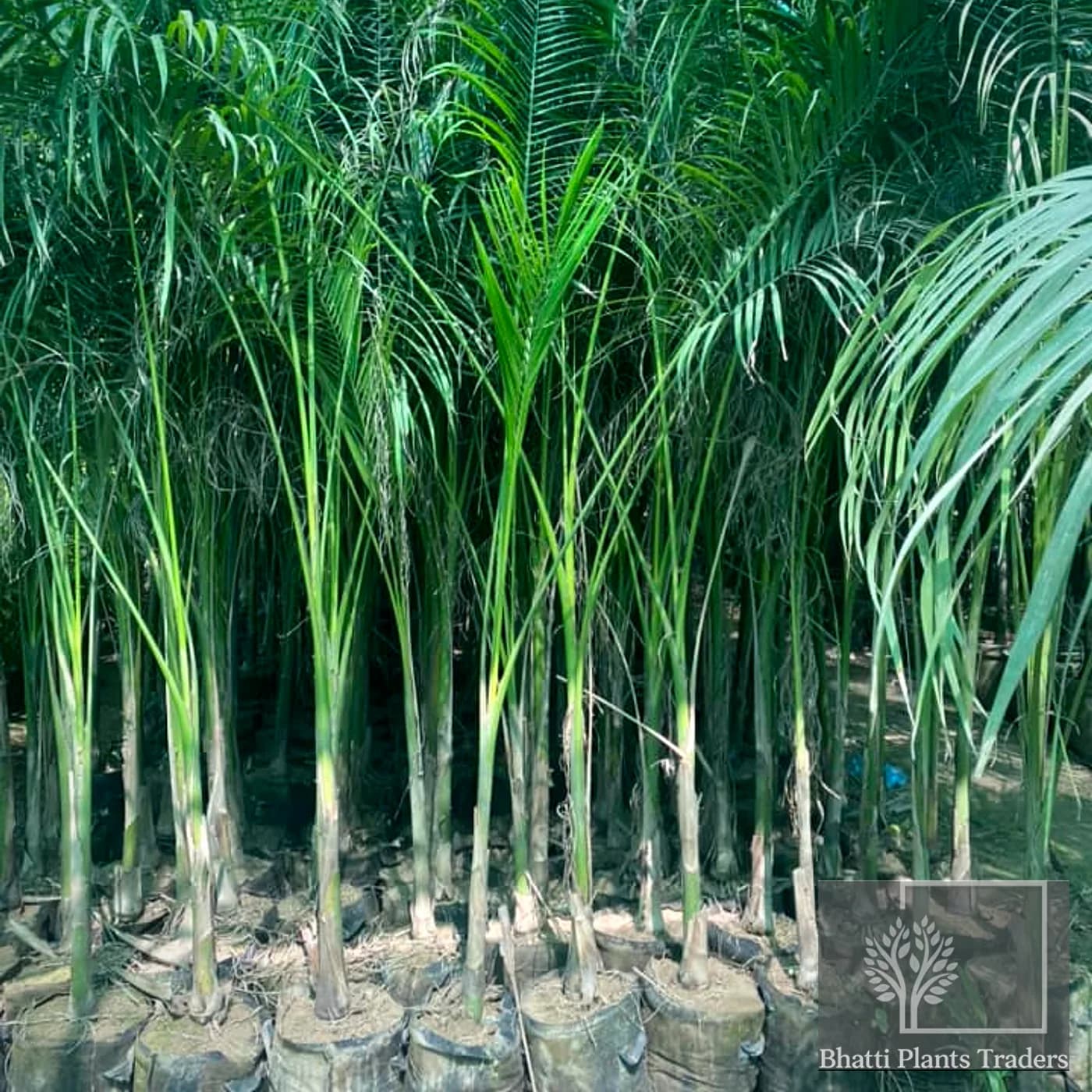
These photographs show the species, not the individual tree. Specimens this size are selected by hand — we photograph the actual tree allocated to your order and send it to you before dispatch, and you can decline it if it is not right.
Palms & Trees
Foxtail Palm
Wodyetia bifurcata
The foxtail is the most elegant palm in the range. Its leaflets radiate all the way around the frond rather than lying flat, so each one reads as a soft plume — the effect from a distance is closer to a feather duster than a palm.
It is self-cleaning, meaning dead fronds drop on their own instead of hanging on and needing to be cut down. For anyone who has maintained a washingtonia, that alone is worth the extra cost.
- Self-cleaning — dead fronds drop rather than needing cutting
- Plumed, three-dimensional fronds unlike any other palm here
- Stays a manageable 8–10 m; suits courtyards and pool surrounds
Rs 7,000for the 4 ft
Inclusive of pot and mix. Delivery free on this size.
1
4.9(19 reviews) In stock, dispatched in 1–2 working days
Packed by hand
Dispatched in 1–2 working days
7-day guarantee
Replaced or refunded if damaged
Grown by us
Never bought in and resold
At a glance
- Mature size
- 8–10 m
- Growth rate
- Moderate
- Difficulty
- Easy to keep
- Around pets
- Non-toxic — safe if chewed
Full sunCourtyardPoolsideLandscape
How to look after your Foxtail Palm
Written for Pakistani conditions — long hot summers, dry winter air, and hard tap water. Follow this rather than advice written for a temperate climate.
- Light
- Most prefer full sun once established; indoor palms want bright, filtered light.
- Water
- Deeply twice a week in summer, weekly in winter. Palms dislike both drought and standing water.
- Humidity
- Moderate. Indoor palms benefit from raised humidity in winter.
- Soil
- Sandy, free-draining soil. Palms rot at the crown in heavy, wet ground.
- Feeding
- Specialist palm feed containing magnesium and manganese, three times a year. Ordinary NPK causes yellow banding.
- Temperature
- 15–48°C for outdoor species. Protect indoor palms below 12°C.
If something goes wrong
Yellow bands on older fronds
Why it happens: Magnesium or potassium deficiency — very common in palms.
What to do: Apply a palm-specific feed. Do not remove yellowing fronds; the palm is still drawing nutrients from them.
Brown, dry frond tips
Why it happens: Dry air, salt build-up, or under-watering.
What to do: Water deeply, flush the soil, and raise humidity for indoor palms.
Soft, foul-smelling crown
Why it happens: Crown rot from water sitting in the growing point.
What to do: Usually fatal. Prevent it by never watering into the crown.
Arecaceae
We grow 11 palms
They differ in leaf shape, mature size and colour — compare them side by side before you choose.
Staff pick
You might also like
Staff pick
Collector
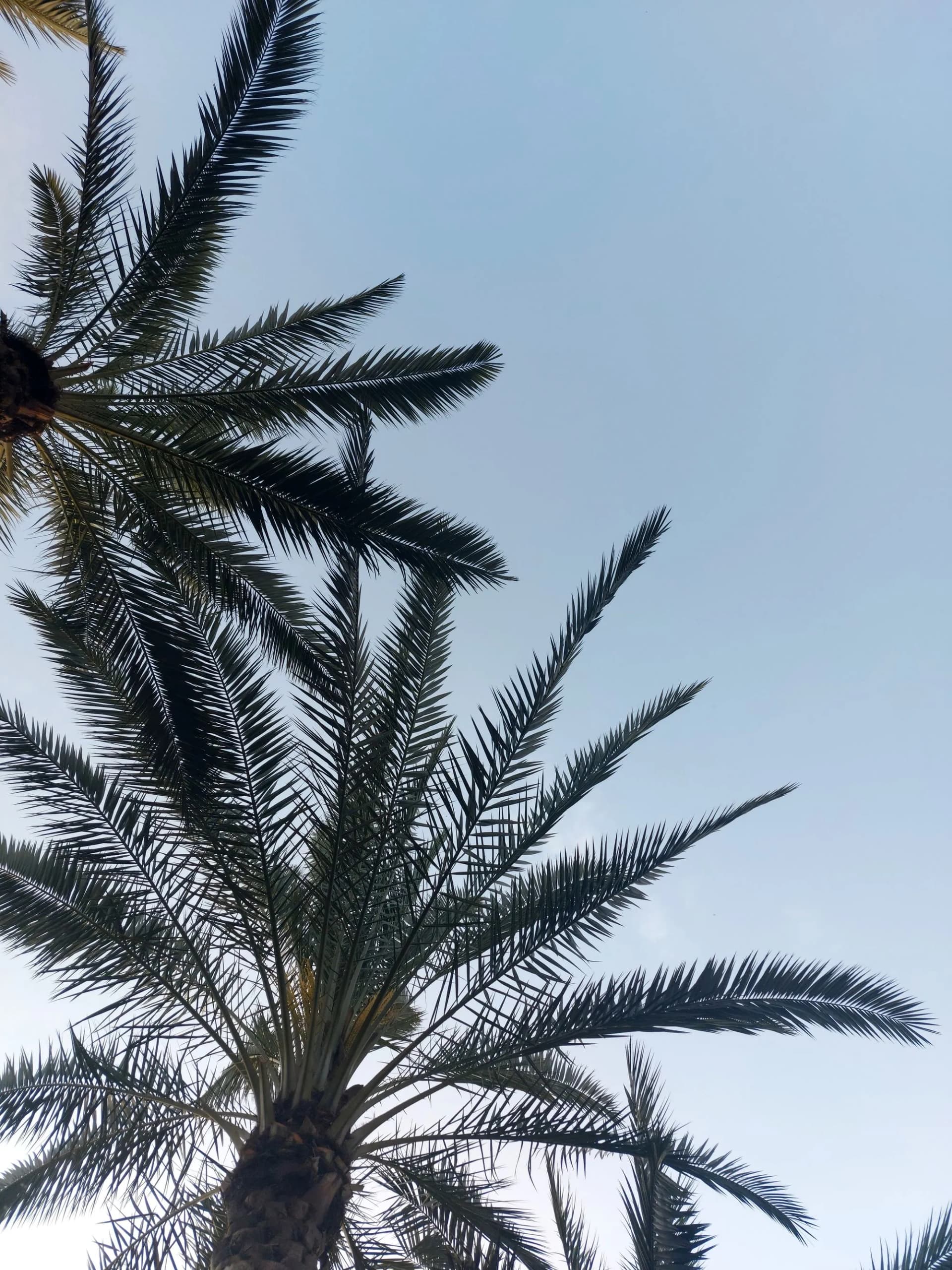

A massive pineapple-trunked crown — the grandest palm we grow.
fromRs 9,000
Rare
Bestseller