Bestseller
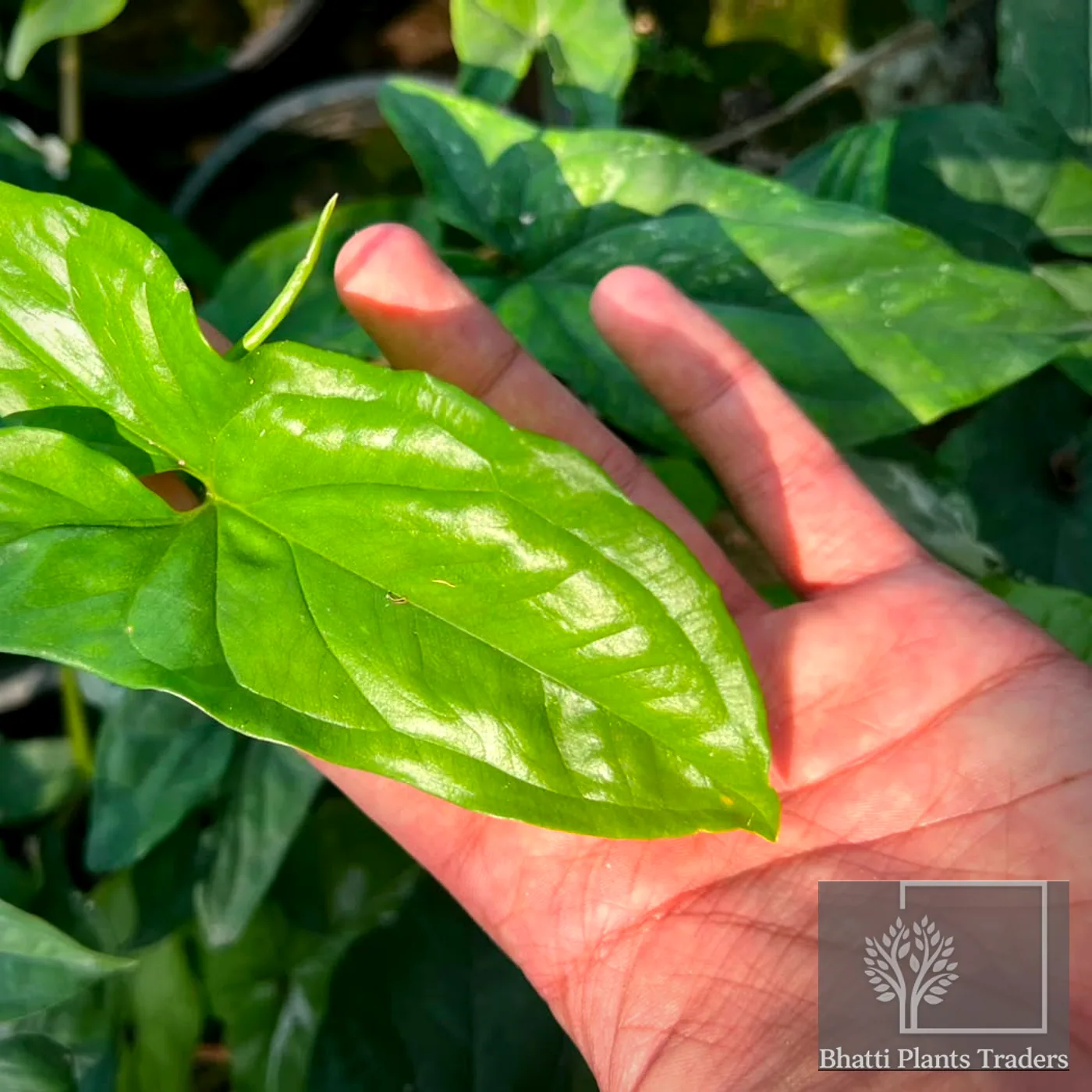
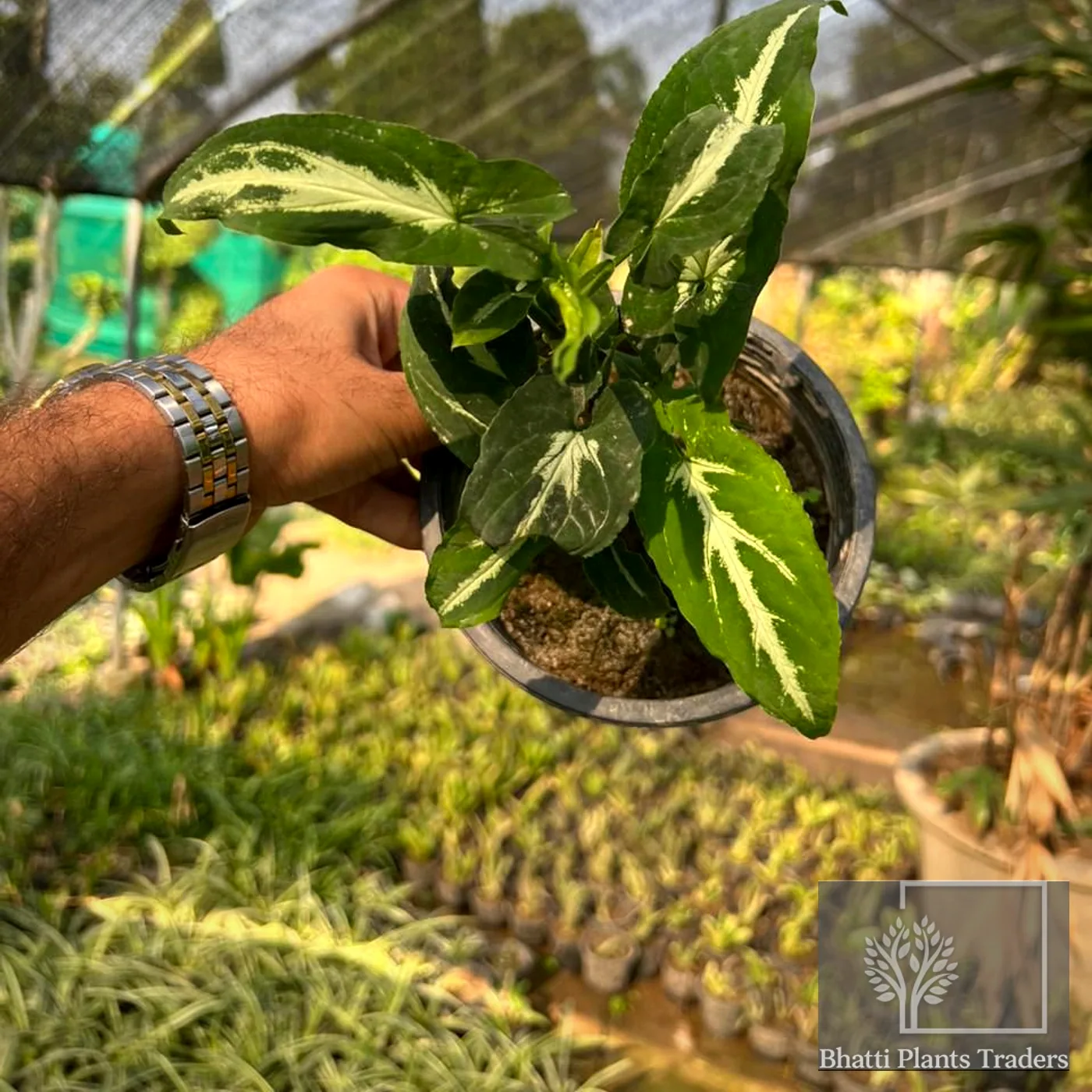
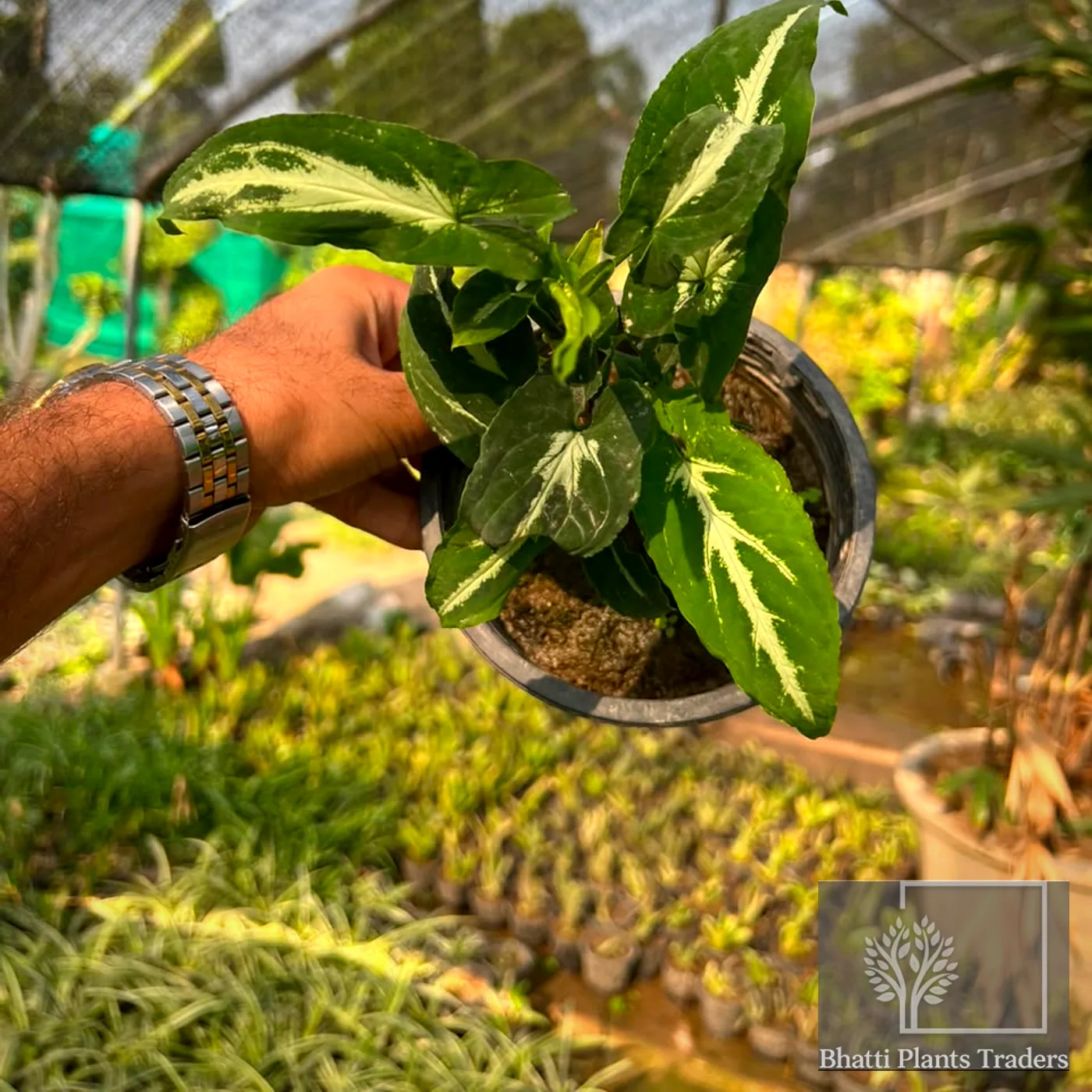
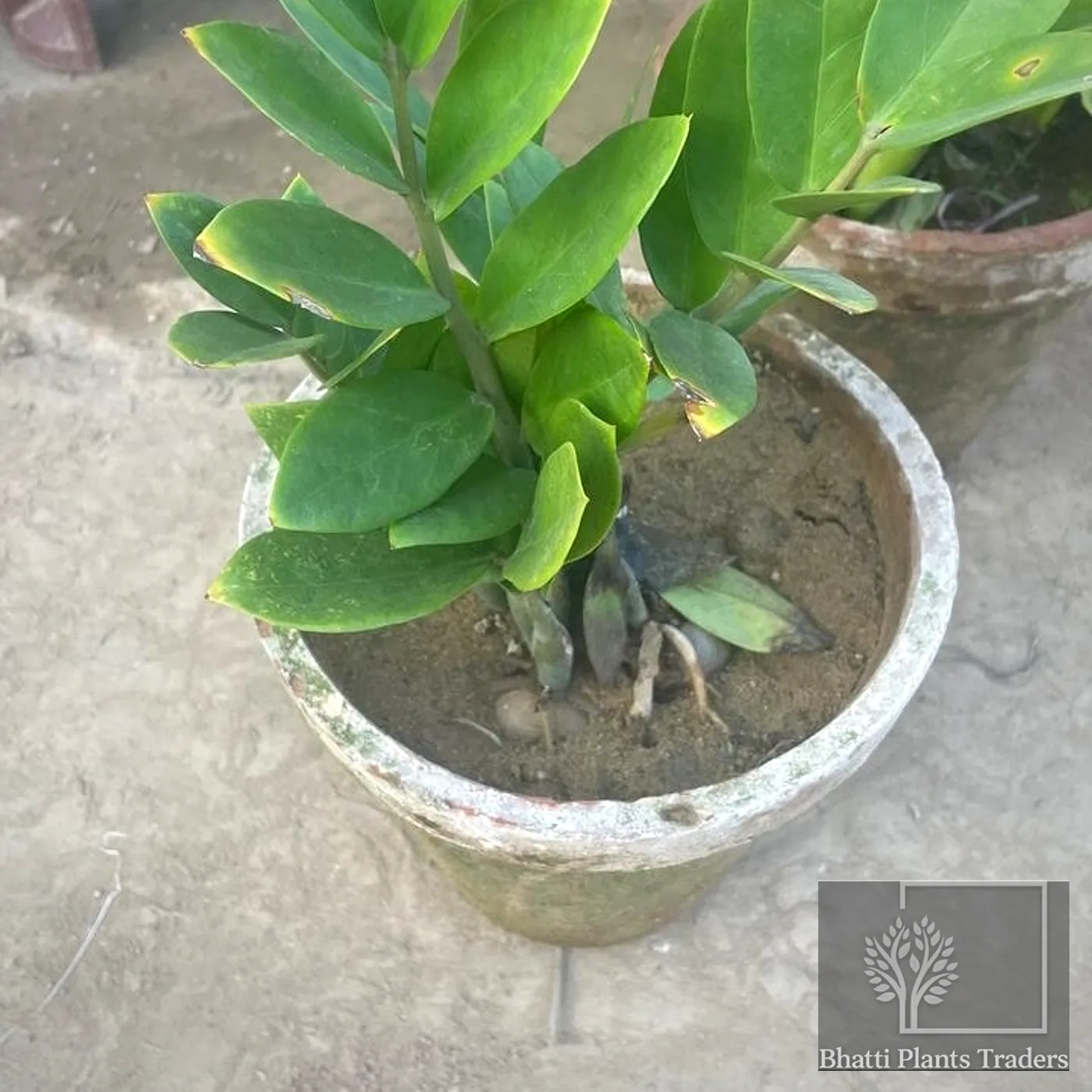
Photographs are of our actual stock, taken at the nursery. Plants are living things — expect small differences in shape and leaf count from the plant shown.
Indoor Plants
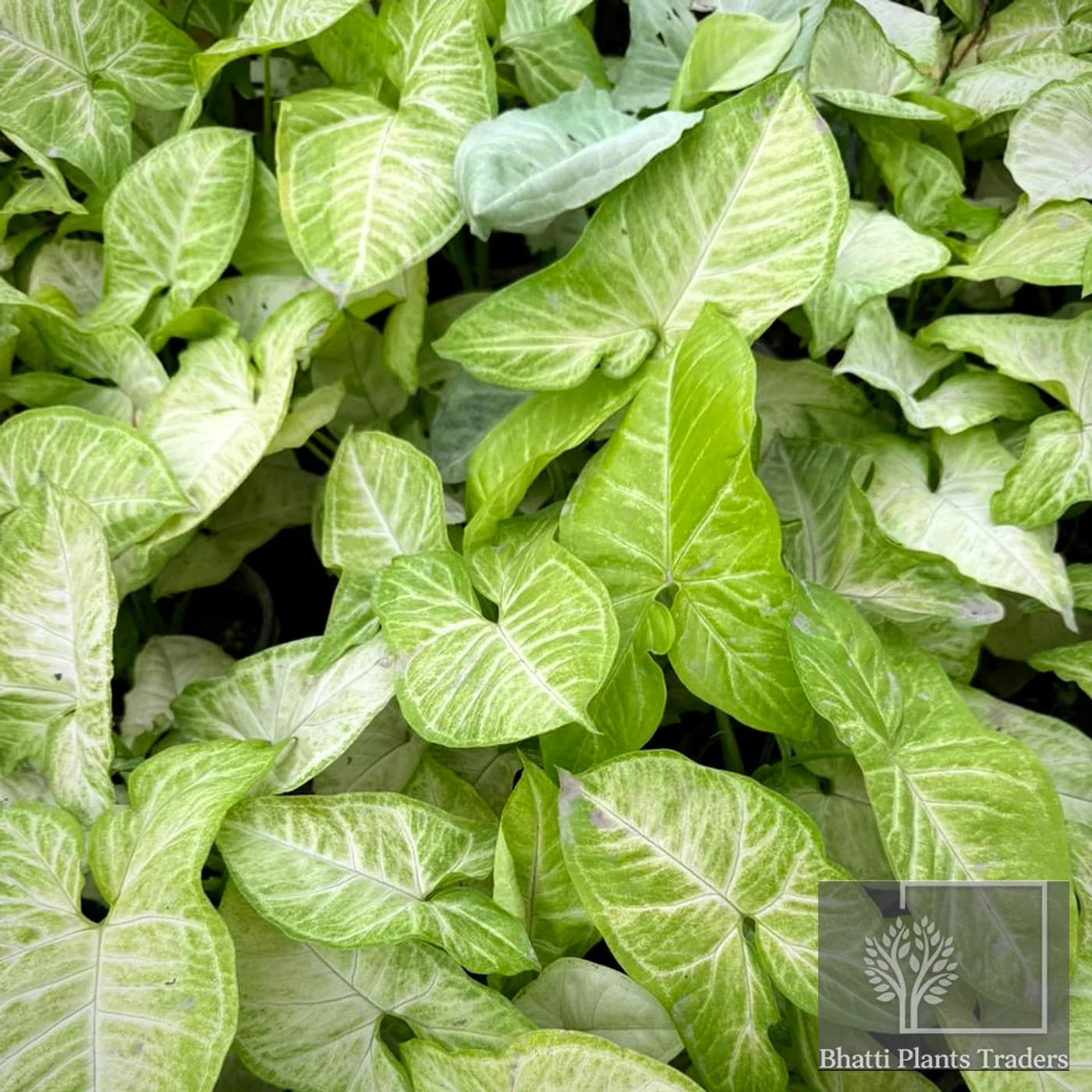
Green Syngonium
Syngonium podophyllum
Before the cultivars there was just this: a solid mid-green arrowhead, no markings, no variegation to protect. It is the fastest-growing and most forgiving syngonium there is, and by some distance the cheapest.
It is also the one that climbs best. With full chlorophyll behind it and a moss pole in front, the leaves enlarge and eventually split into the mature lobed form that the variegated cultivars almost never reach indoors.
- No variegation to lose — grows in light the cultivars will not tolerate
- The only one that reliably reaches its mature lobed leaf form indoors
- Cheapest way to fill a hanging basket or a moss pole
Rs 450for the 10 inch pot
Inclusive of pot and mix. Delivery Rs 350, free over Rs 5,000.
1
4.7(58 reviews) In stock, dispatched in 1–2 working days
Packed by hand
Dispatched in 1–2 working days
7-day guarantee
Replaced or refunded if damaged
Grown by us
Never bought in and resold
At a glance
- Mature size
- Trails 1–2 m, or climbs higher on a pole
- Growth rate
- Fast
- Difficulty
- Easy to keep
- Around pets
- Keep away from cats, dogs and small children
Low lightBright indirect lightShelf or hangingOfficeAir purifying
How to look after your Green Syngonium
Written for Pakistani conditions — long hot summers, dry winter air, and hard tap water. Follow this rather than advice written for a temperate climate.
- Light
- Bright, filtered light. A metre back from an east or north window is ideal. Direct summer sun through glass will scorch the leaves within days.
- Water
- Water when the top 3–4 cm of mix is dry — roughly weekly in summer, every 12–15 days in winter. Drench until it runs from the drainage hole, then let it drain fully.
- Humidity
- Prefers 50–60%. In dry Punjab winters, group plants together or stand the pot on a tray of wet pebbles. Misting alone does very little.
- Soil
- Chunky, airy aroid mix — bark, perlite and coco peat. Aroid roots need air as much as they need water; dense garden soil will rot them.
- Feeding
- Balanced liquid feed at half strength every 3 weeks from March to October. Do not feed in December and January.
- Temperature
- 18–30°C. Move away from a direct AC draught, and off cold tile floors below 12°C.
If something goes wrong
Yellow lower leaves
Why it happens: Overwatering — the most common cause by far.
What to do: Let the mix dry to 5 cm depth, then water less often. Check that the drainage hole is not blocked.
Brown, crispy leaf edges
Why it happens: Dry air or salt build-up from tap water.
What to do: Raise humidity, and flush the pot with a large volume of water once a month.
Small new leaves, long bare stem
Why it happens: Not enough light.
What to do: Move closer to a window. Aroids stretch toward light rather than complaining first.
Syngonium podophyllum
We grow 11 syngoniums
They differ in leaf shape, mature size and colour — compare them side by side before you choose.
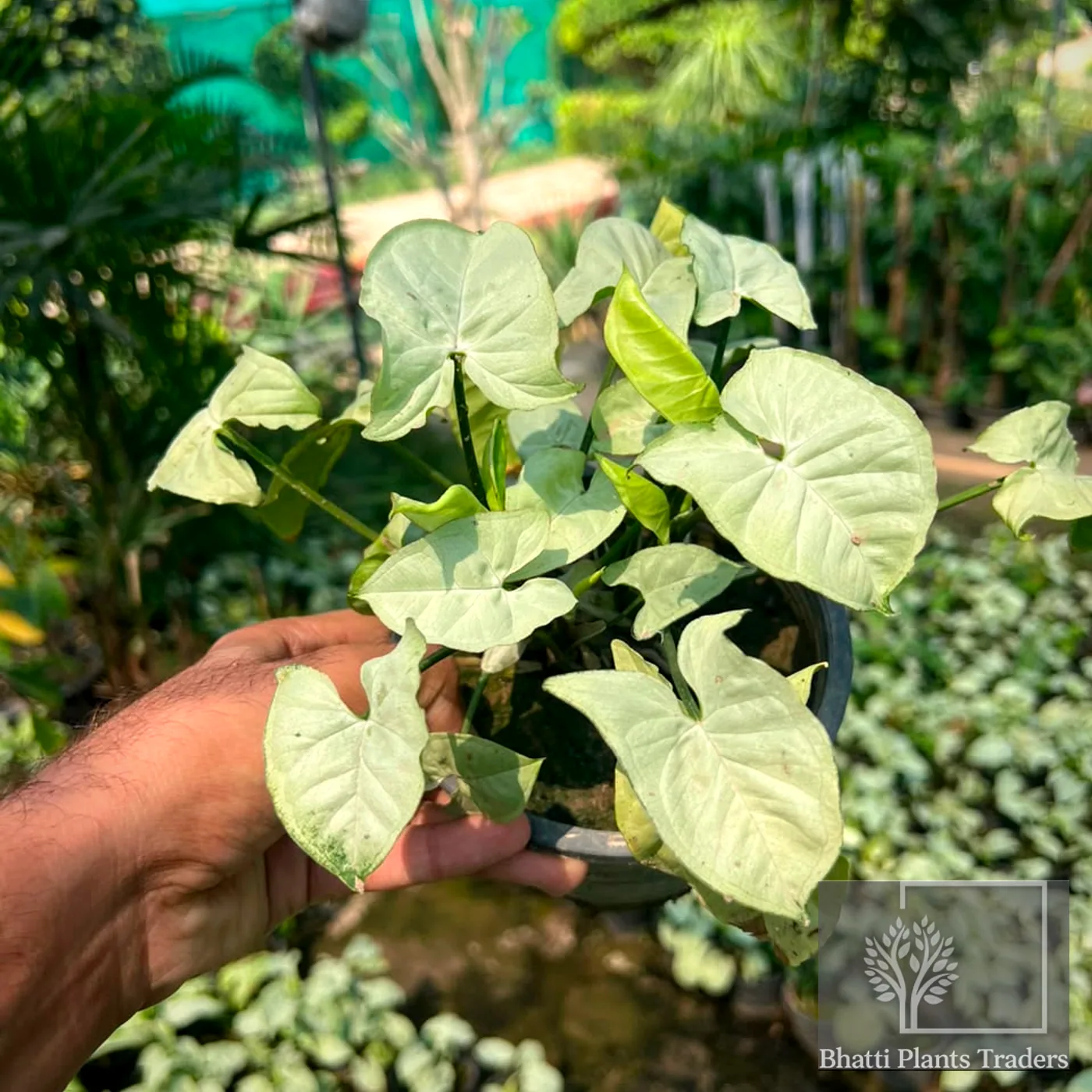
Rare
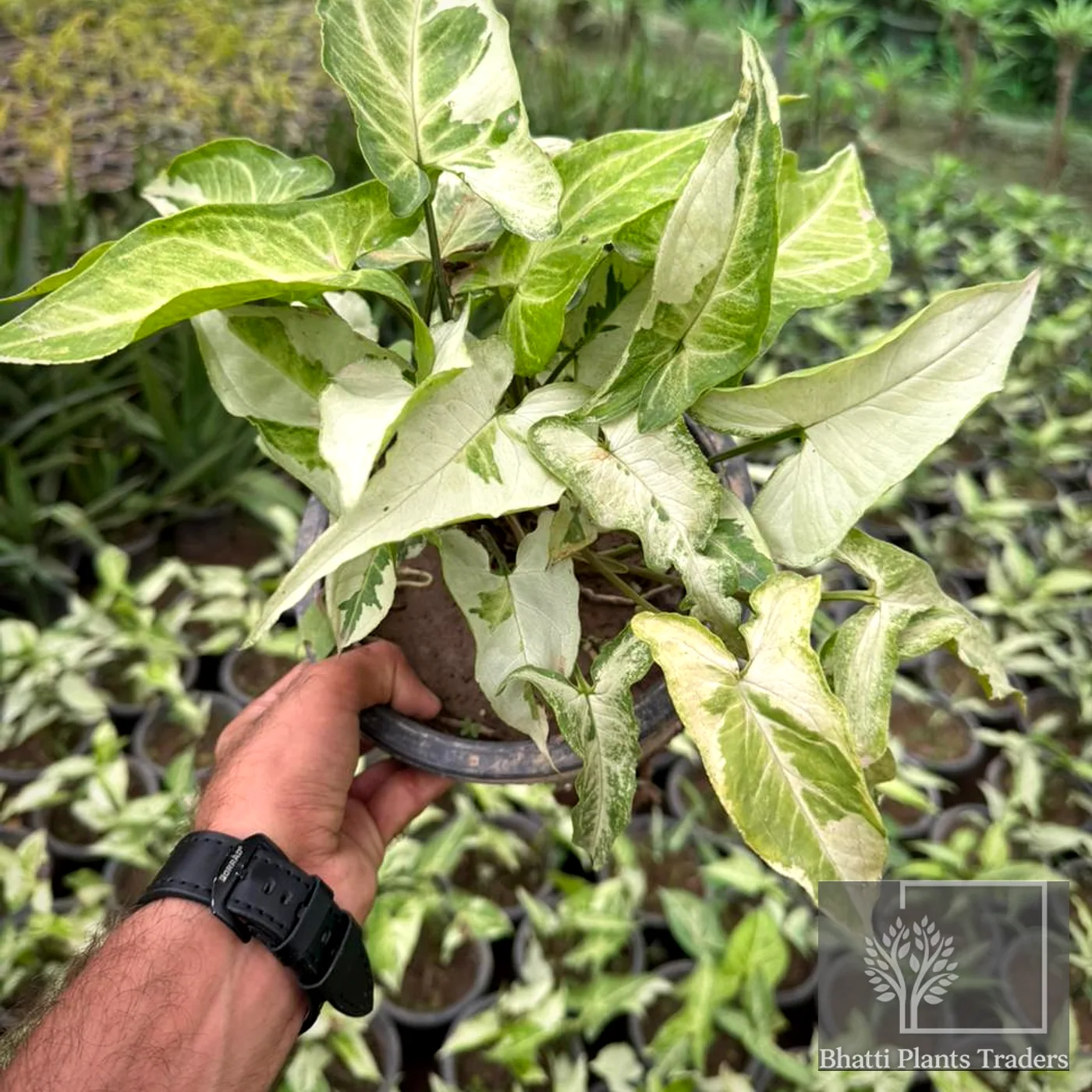
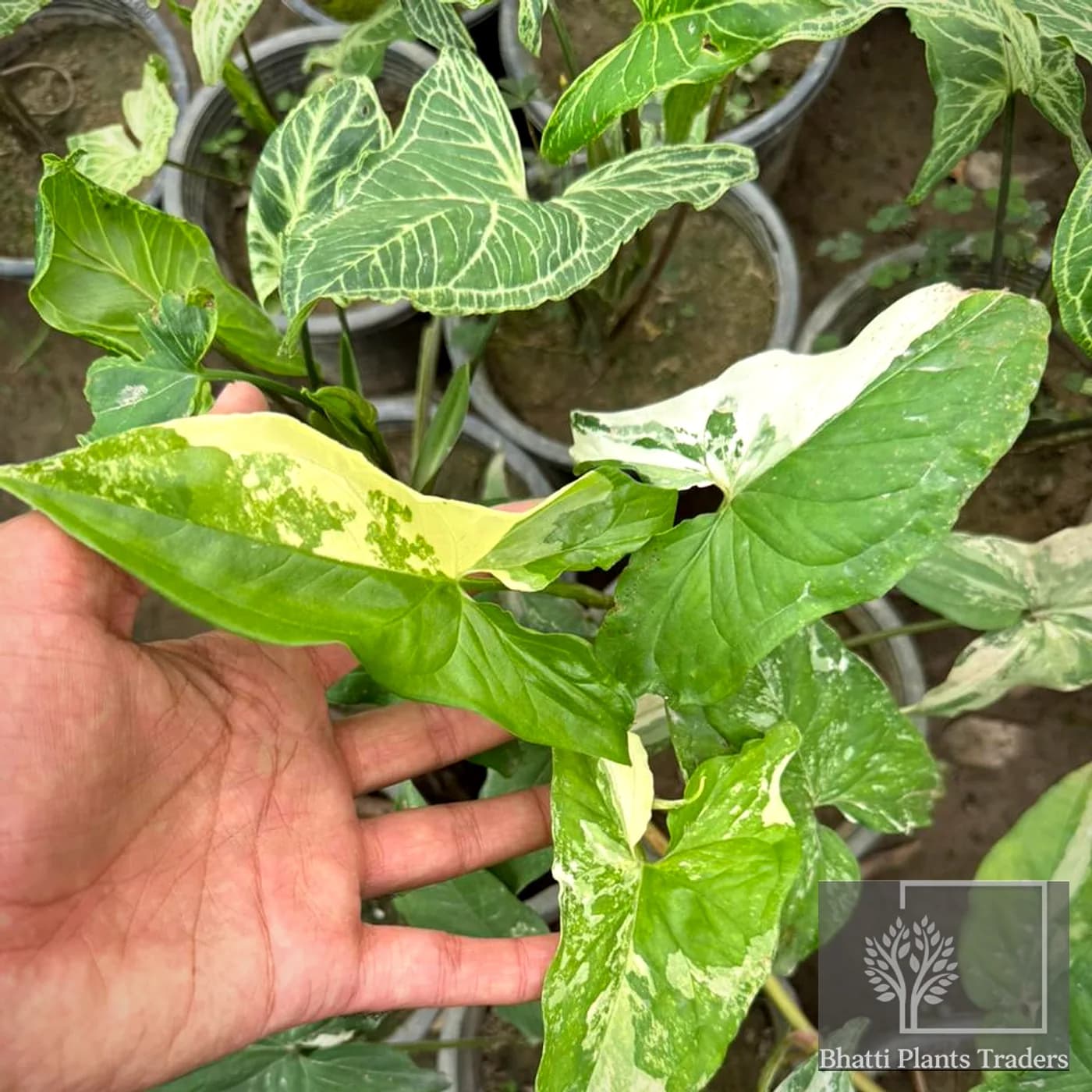
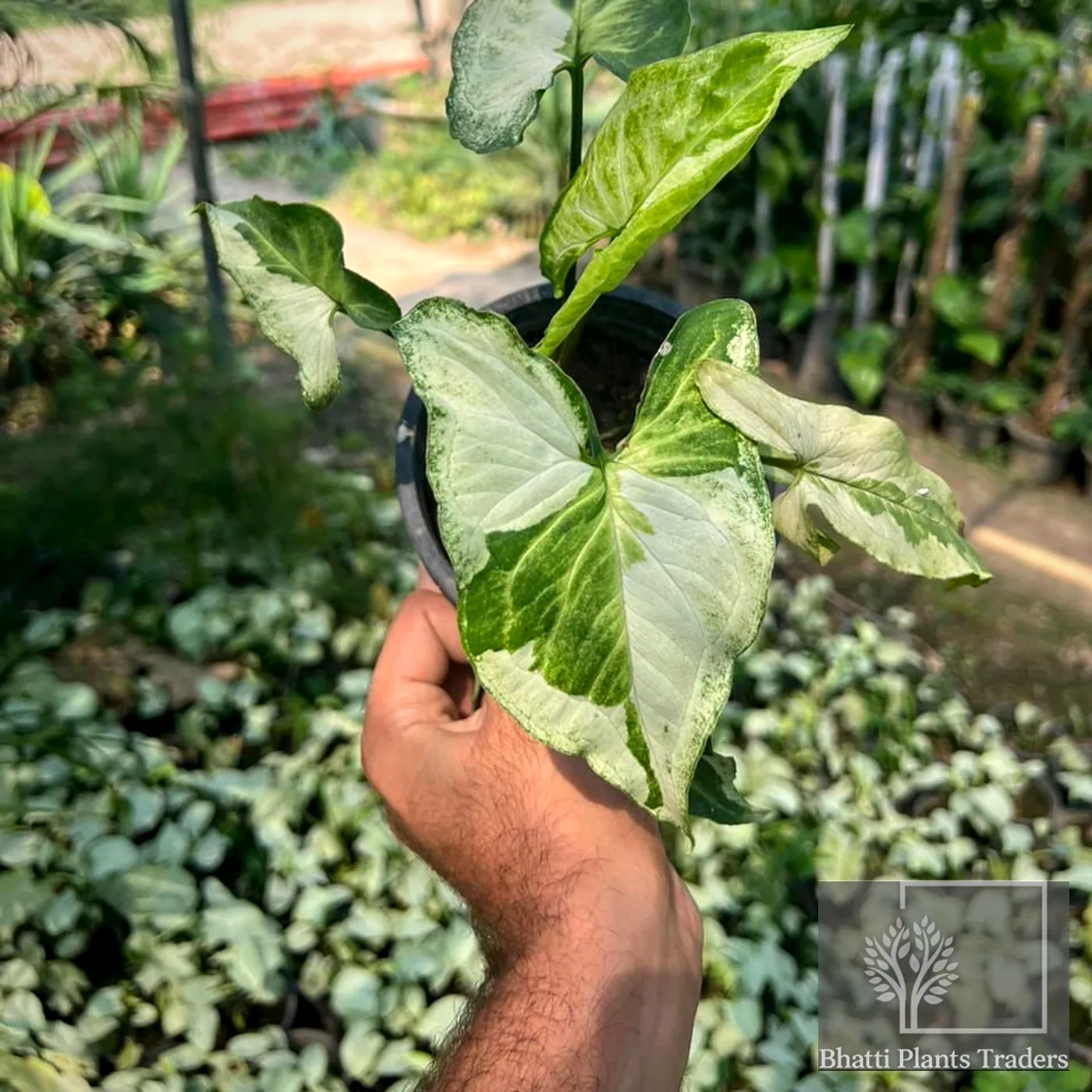
Snow-white sectoral variegation — a genuine collector aroid.
fromRs 8,000
Bestseller
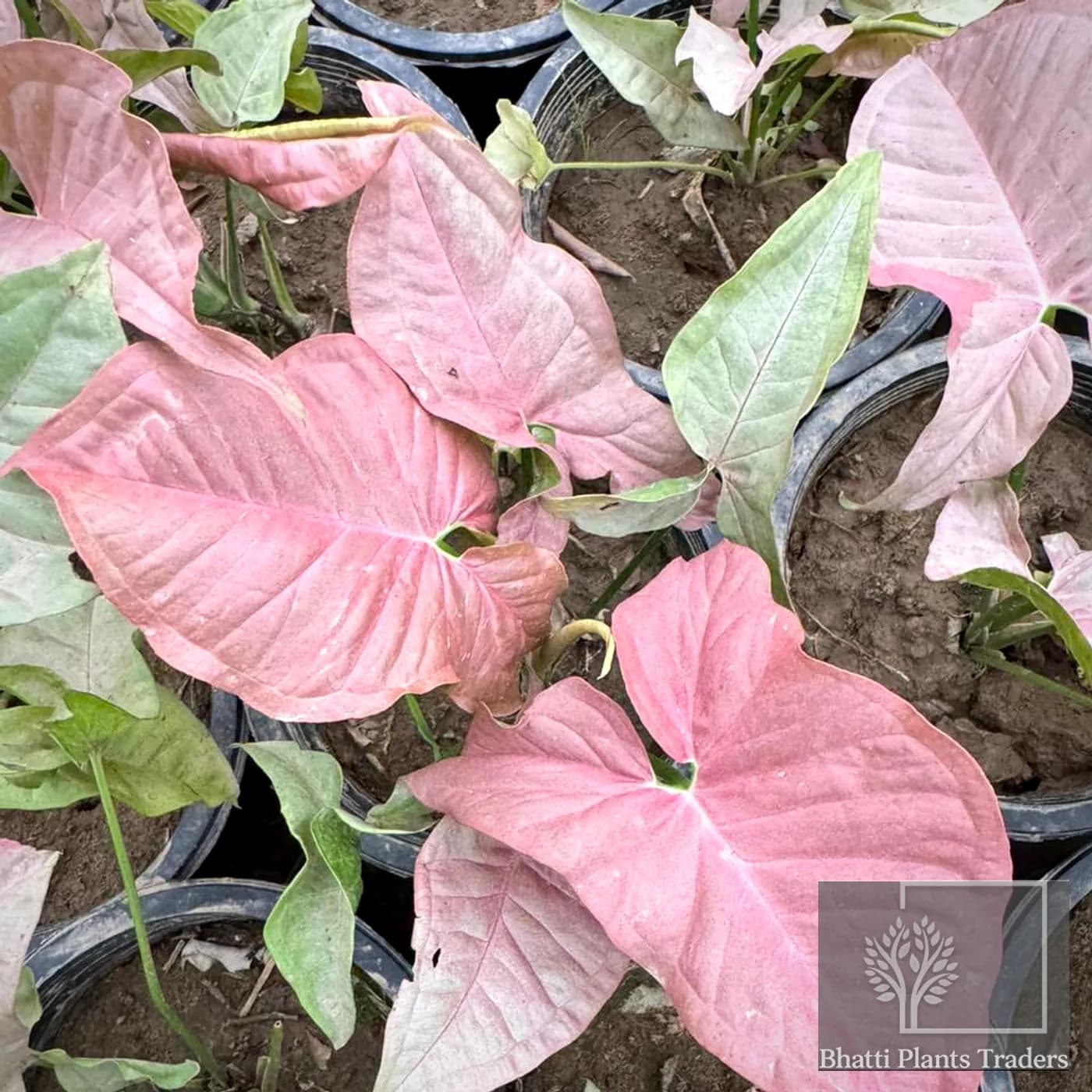
New arrival
You might also like
Bestseller
The best-looking plant that will genuinely tolerate a dim room.
fromRs 1,700
Bestseller
Bestseller