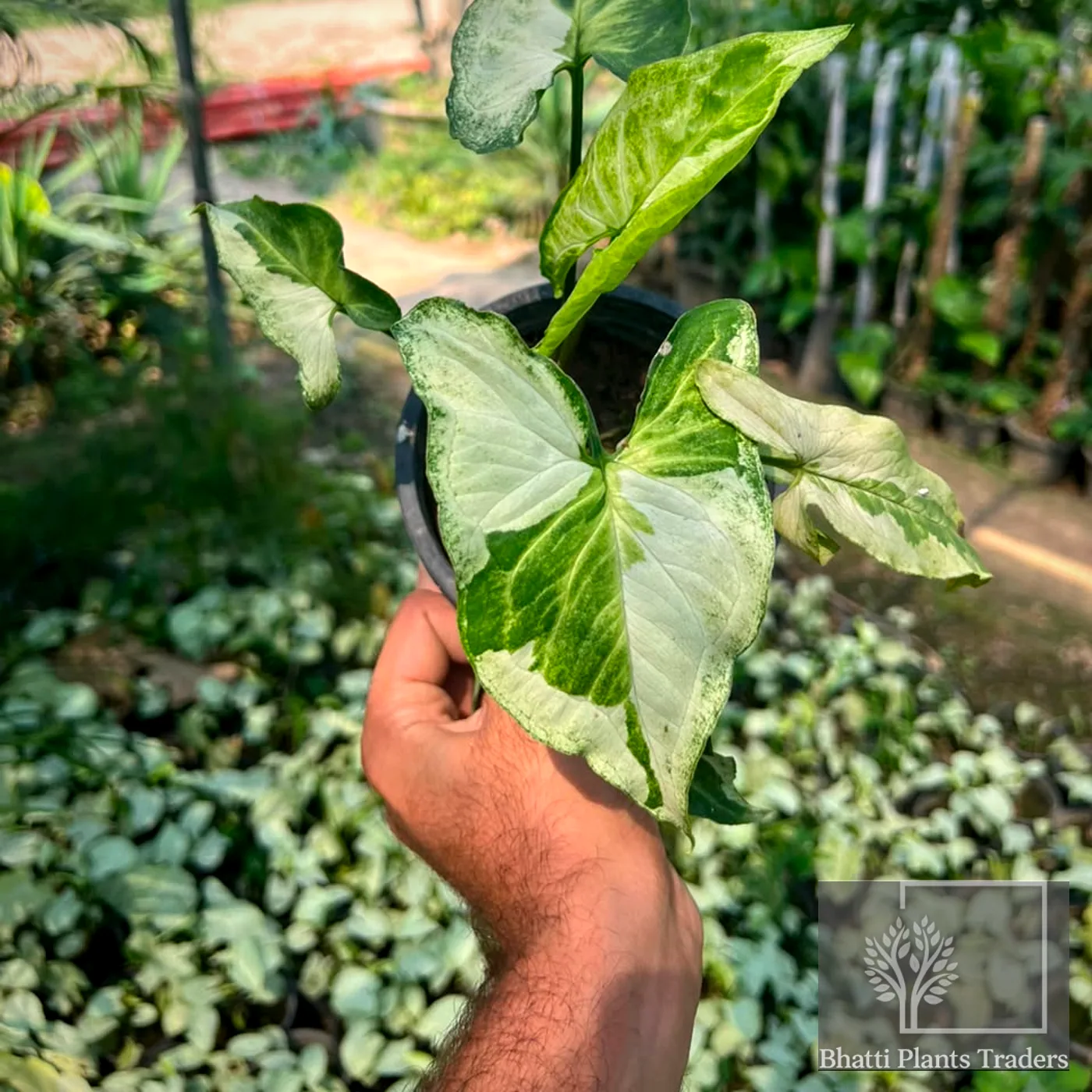
Rare
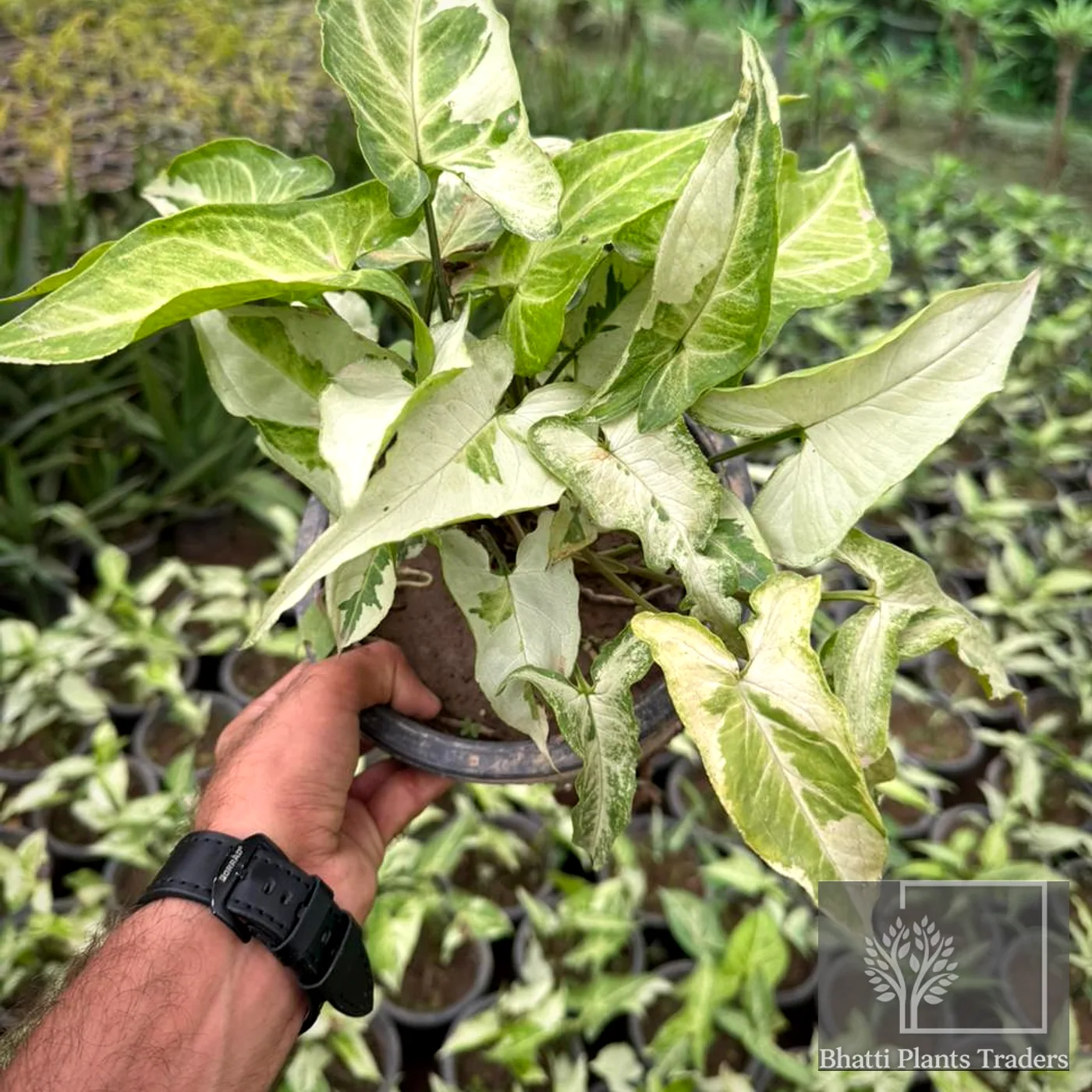
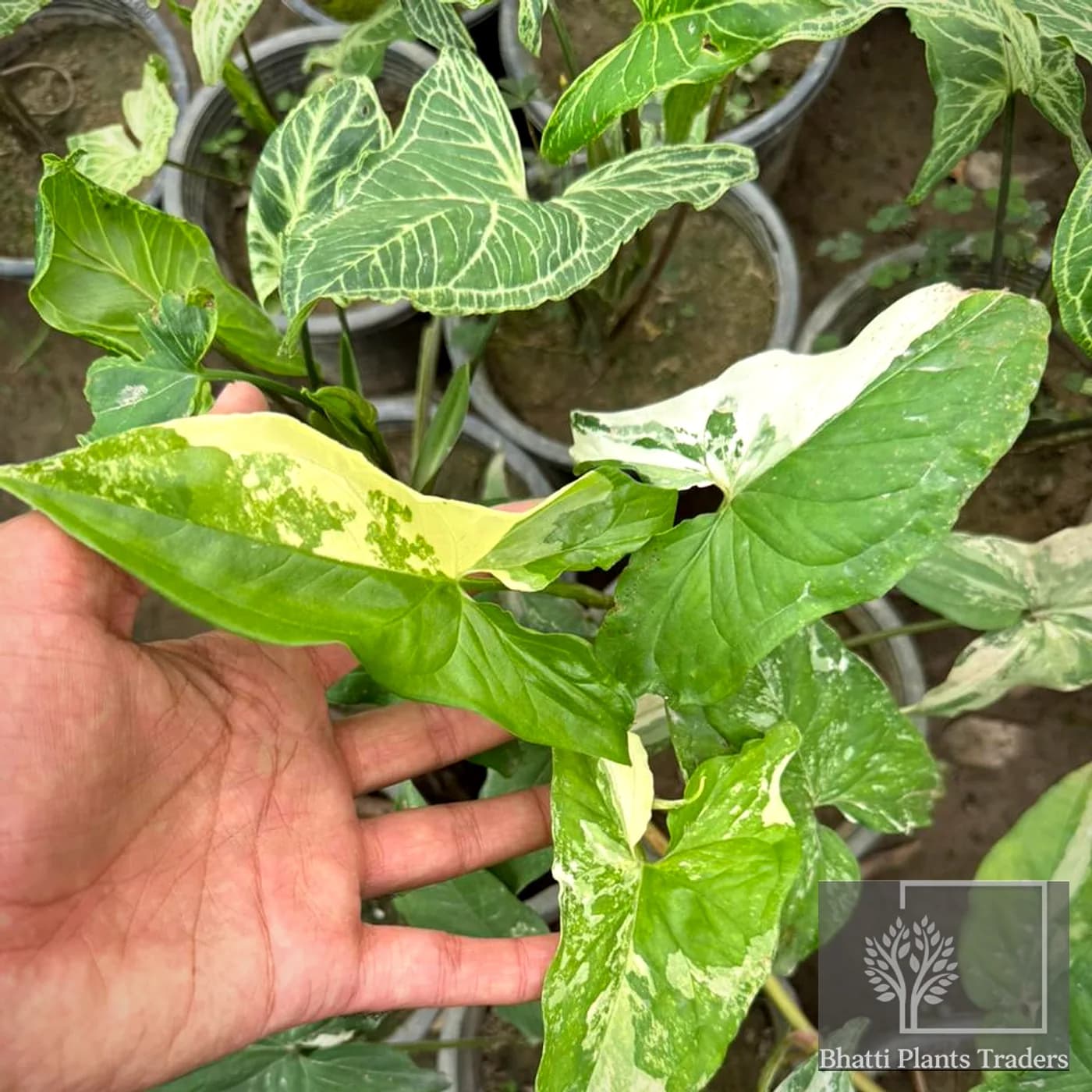
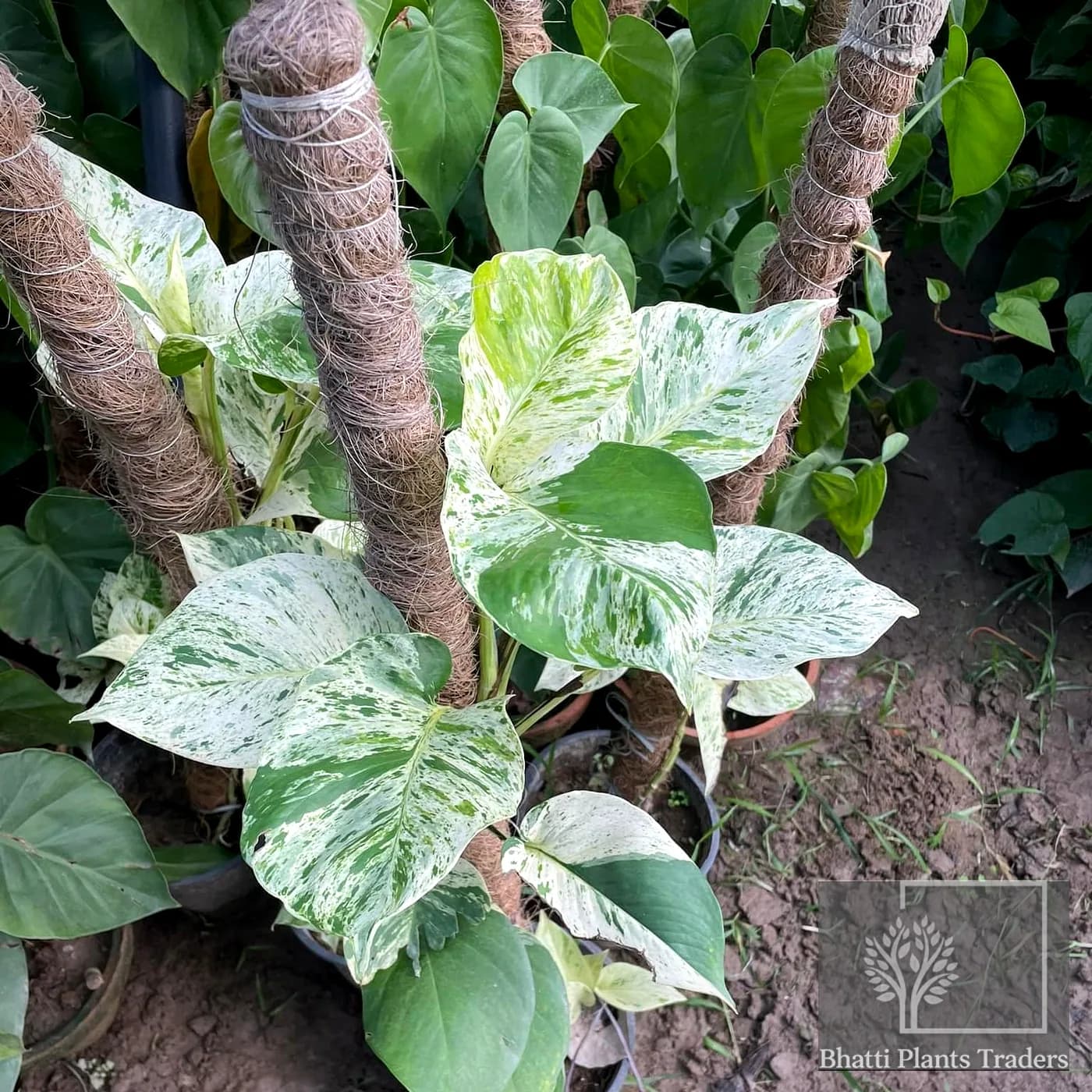
Snow-white sectoral variegation — a genuine collector aroid.
fromRs 8,000
Delivery by courier, bus cargo, railway goods or our own truck — cost depends on the plants and the method
0301 4098726 Bestseller
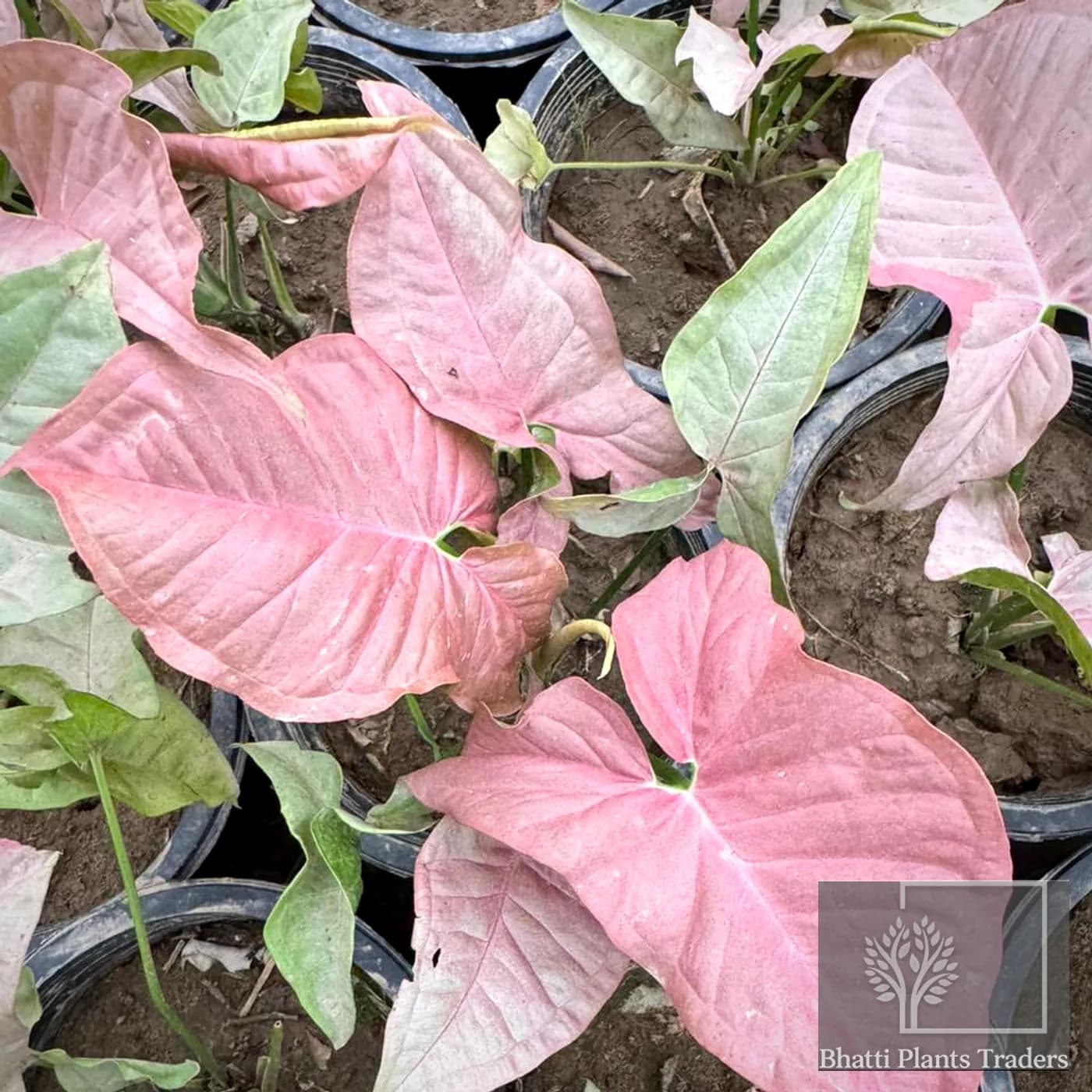
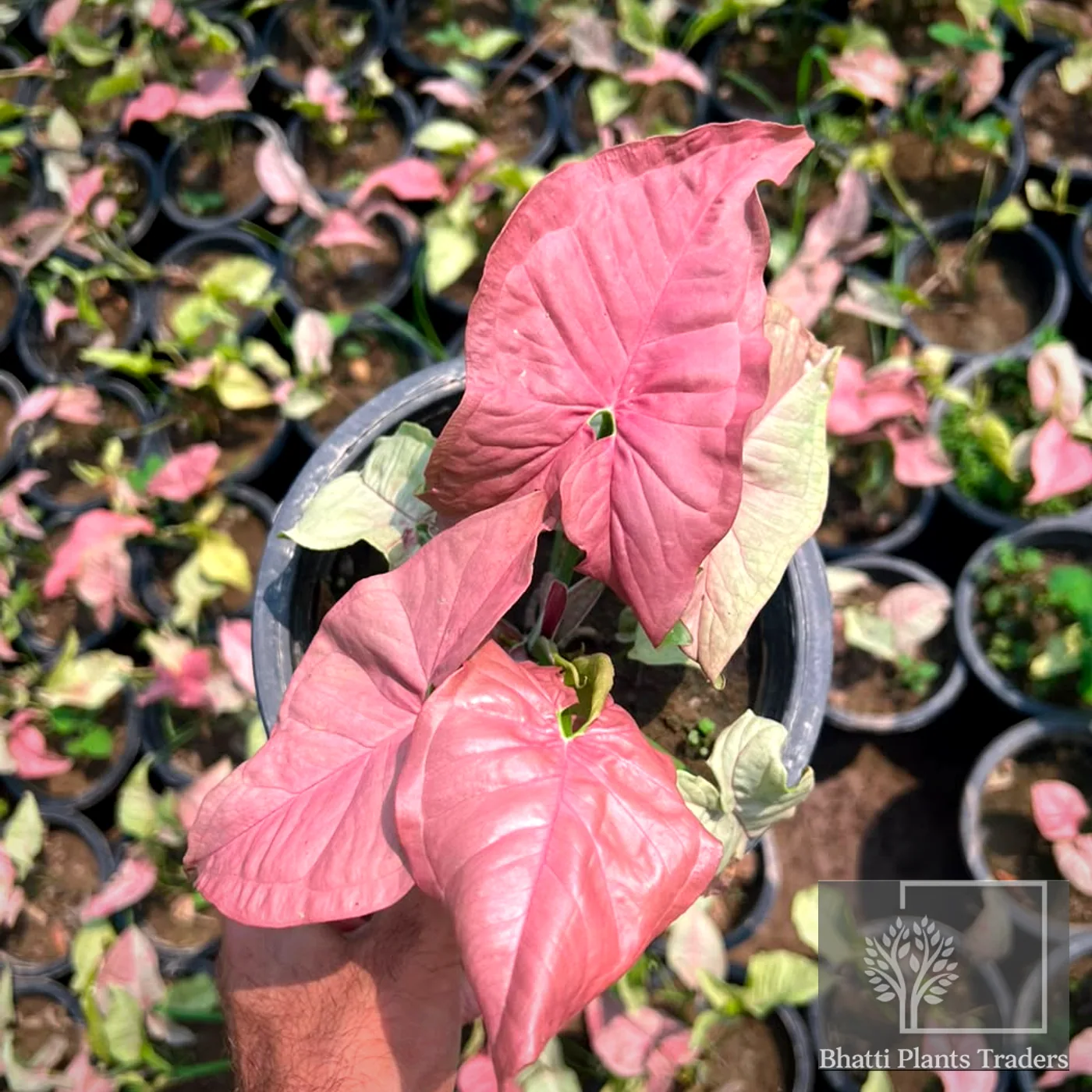
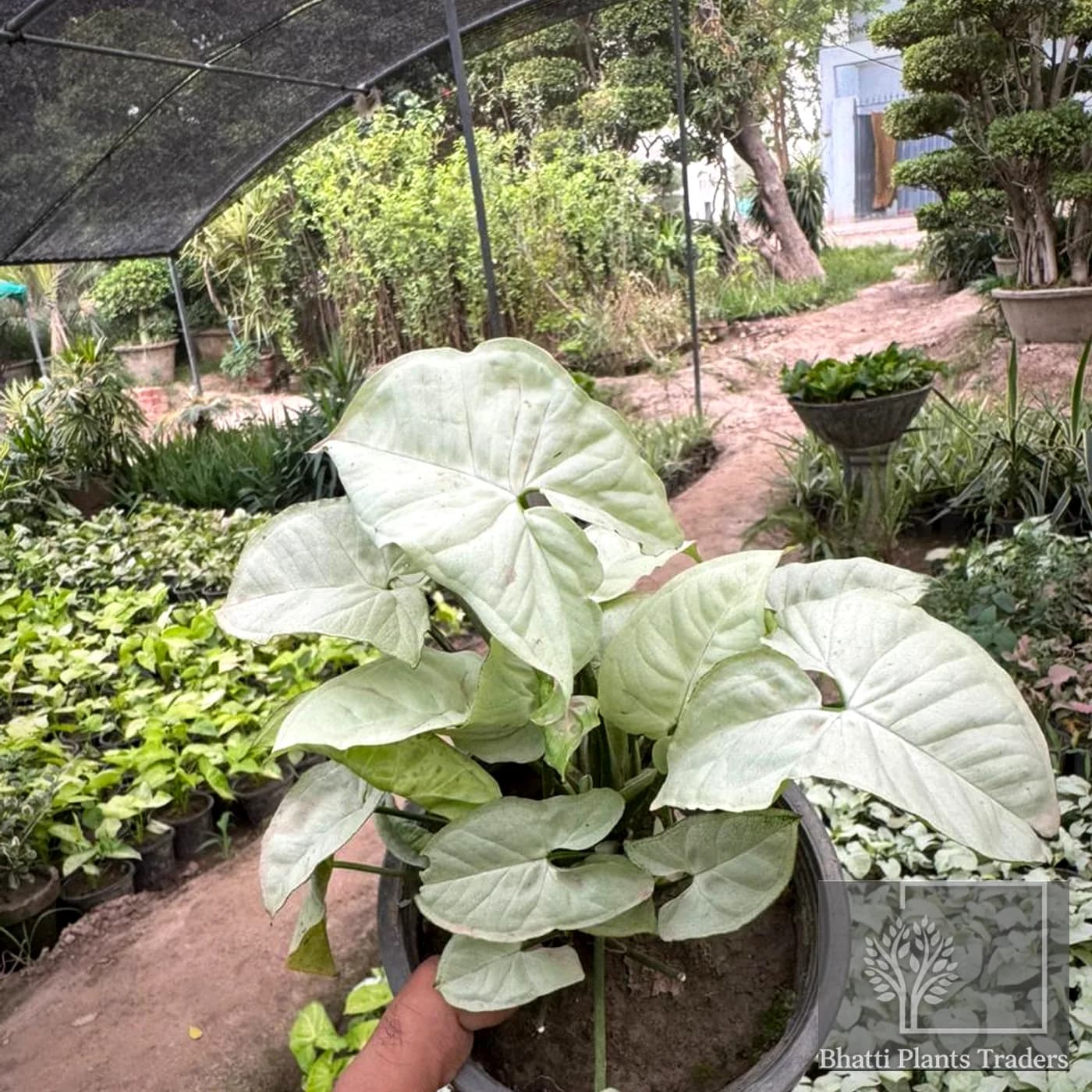
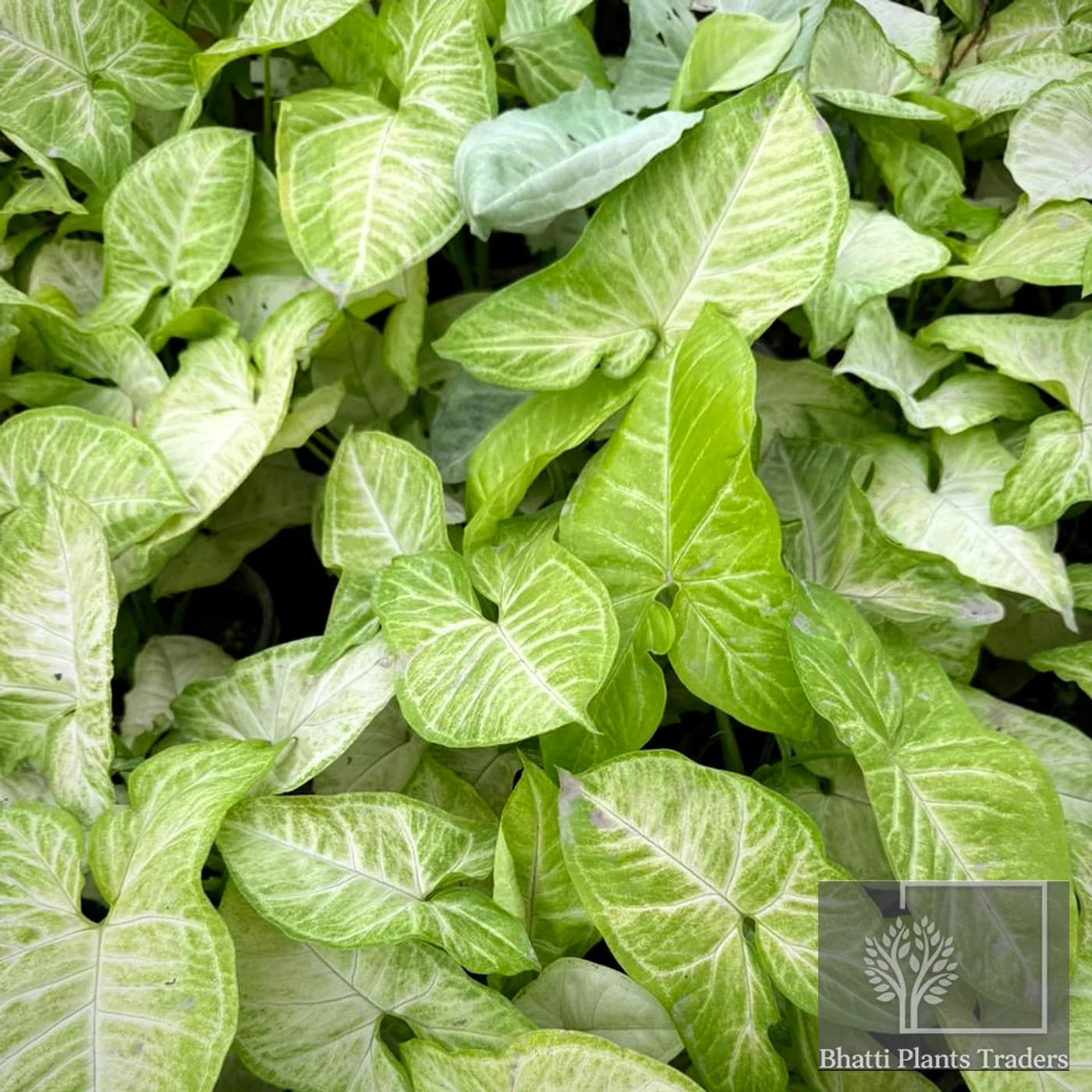
Photographs are of our actual stock, taken at the nursery. Plants are living things — expect small differences in shape and leaf count from the plant shown.
Indoor Plants
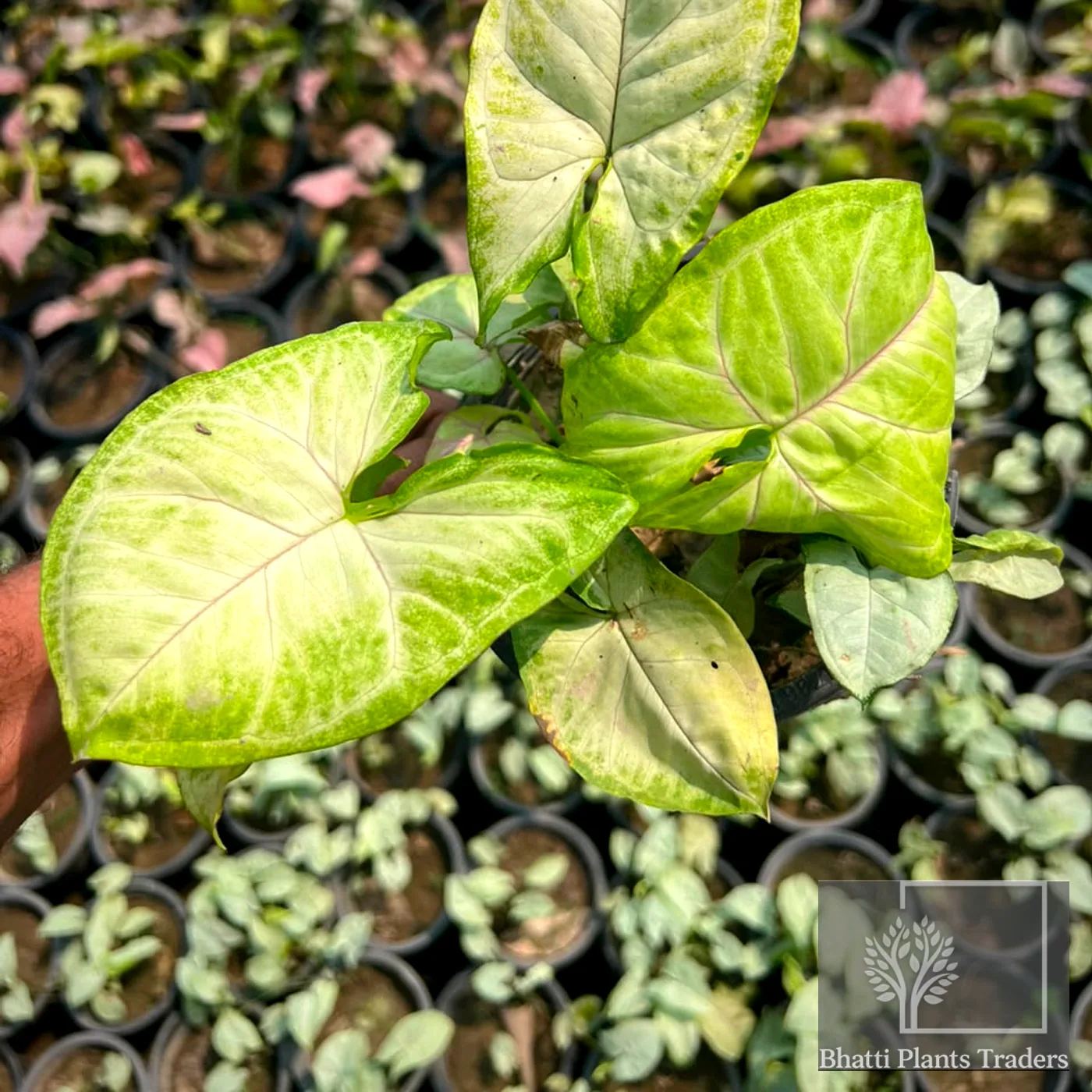
Syngonium podophyllum ‘Three Kings’
Three Kings is the syngonium people buy when they have already owned a plain one and want something with more going on. Each arrowhead leaf comes in differently — some almost fully cream, some flecked mint over deep green — so a mature plant reads as three or four different plants sharing a pot.
It is a fast, forgiving grower that will fill a 6-inch pot within a season and then start trailing. Pinch the growing tips every few weeks and it stays compact and bushy; leave it alone and it will happily climb a moss pole to over a metre.
Inclusive of pot and mix. Delivery Rs 350, free over Rs 5,000.
Packed by hand
Dispatched in 1–2 working days
7-day guarantee
Replaced or refunded if damaged
Grown by us
Never bought in and resold
Written for Pakistani conditions — long hot summers, dry winter air, and hard tap water. Follow this rather than advice written for a temperate climate.
Why it happens: Overwatering — the most common cause by far.
What to do: Let the mix dry to 5 cm depth, then water less often. Check that the drainage hole is not blocked.
Why it happens: Dry air or salt build-up from tap water.
What to do: Raise humidity, and flush the pot with a large volume of water once a month.
Why it happens: Not enough light.
What to do: Move closer to a window. Aroids stretch toward light rather than complaining first.
Syngonium podophyllum
They differ in leaf shape, mature size and colour — compare them side by side before you choose.
Snow-white sectoral variegation — a genuine collector aroid.