Collector
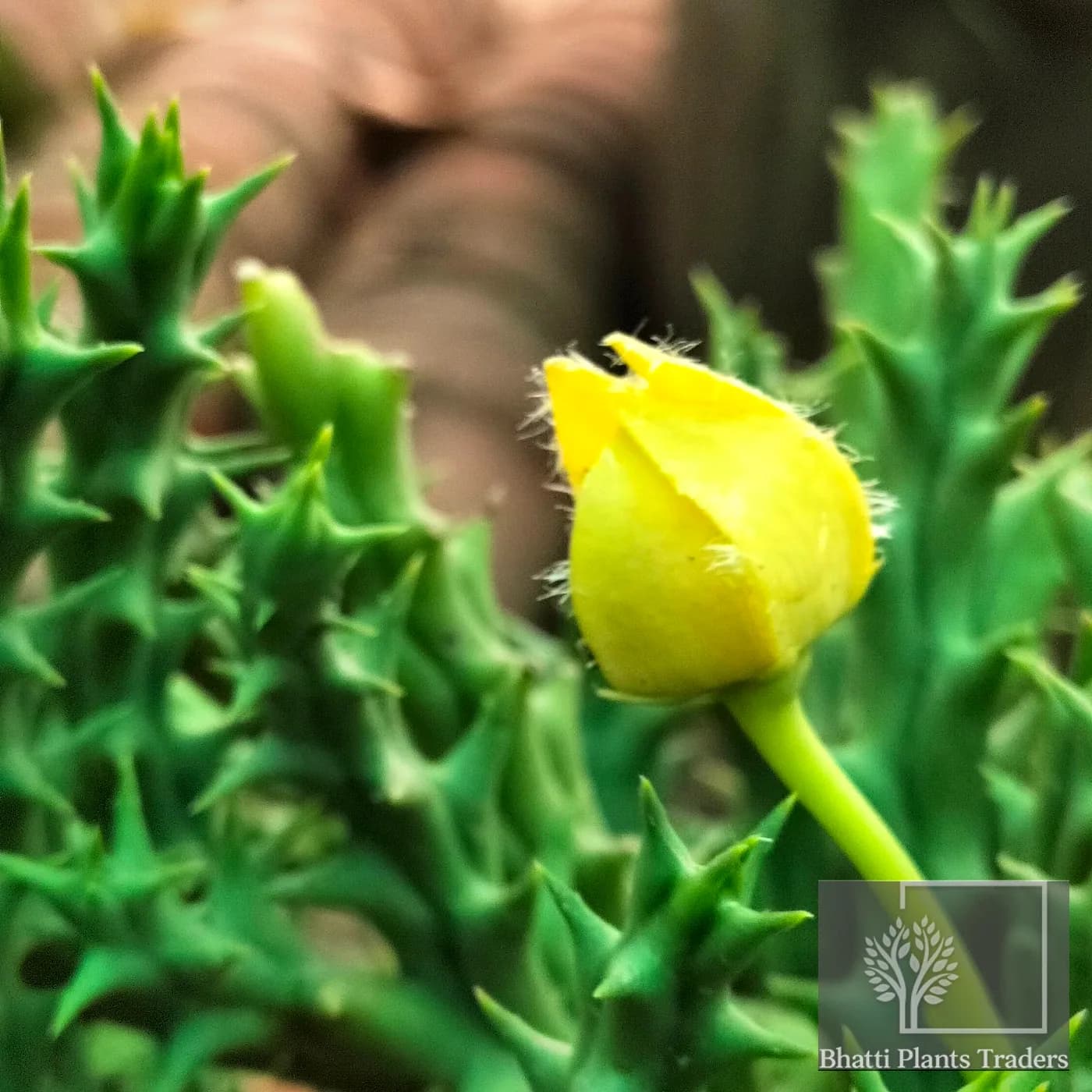
Photographs are of our actual stock, taken at the nursery. Plants are living things — expect small differences in shape and leaf count from the plant shown.
Succulents & Cacti
Stapelia (Starfish Flower)
Stapelia grandiflora
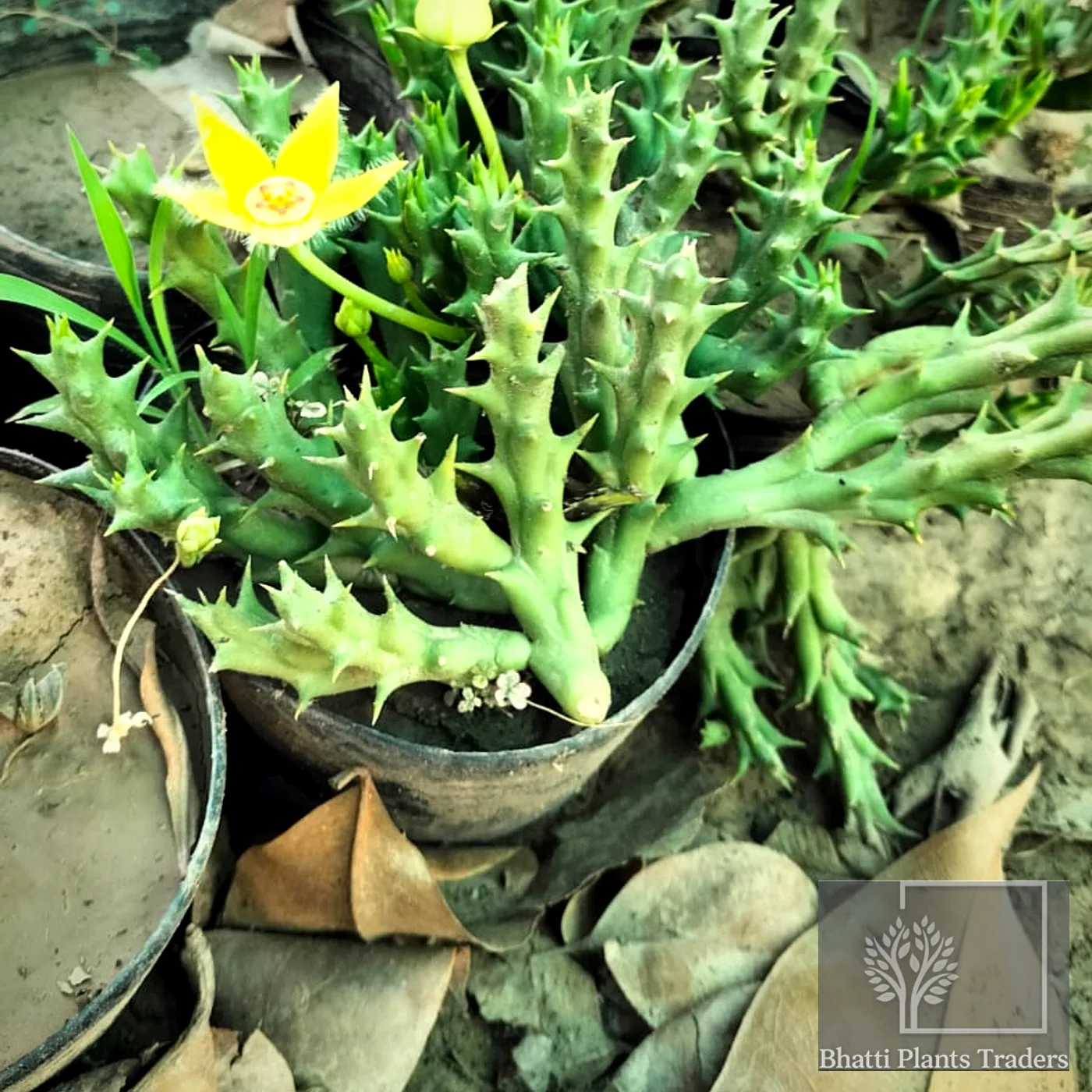
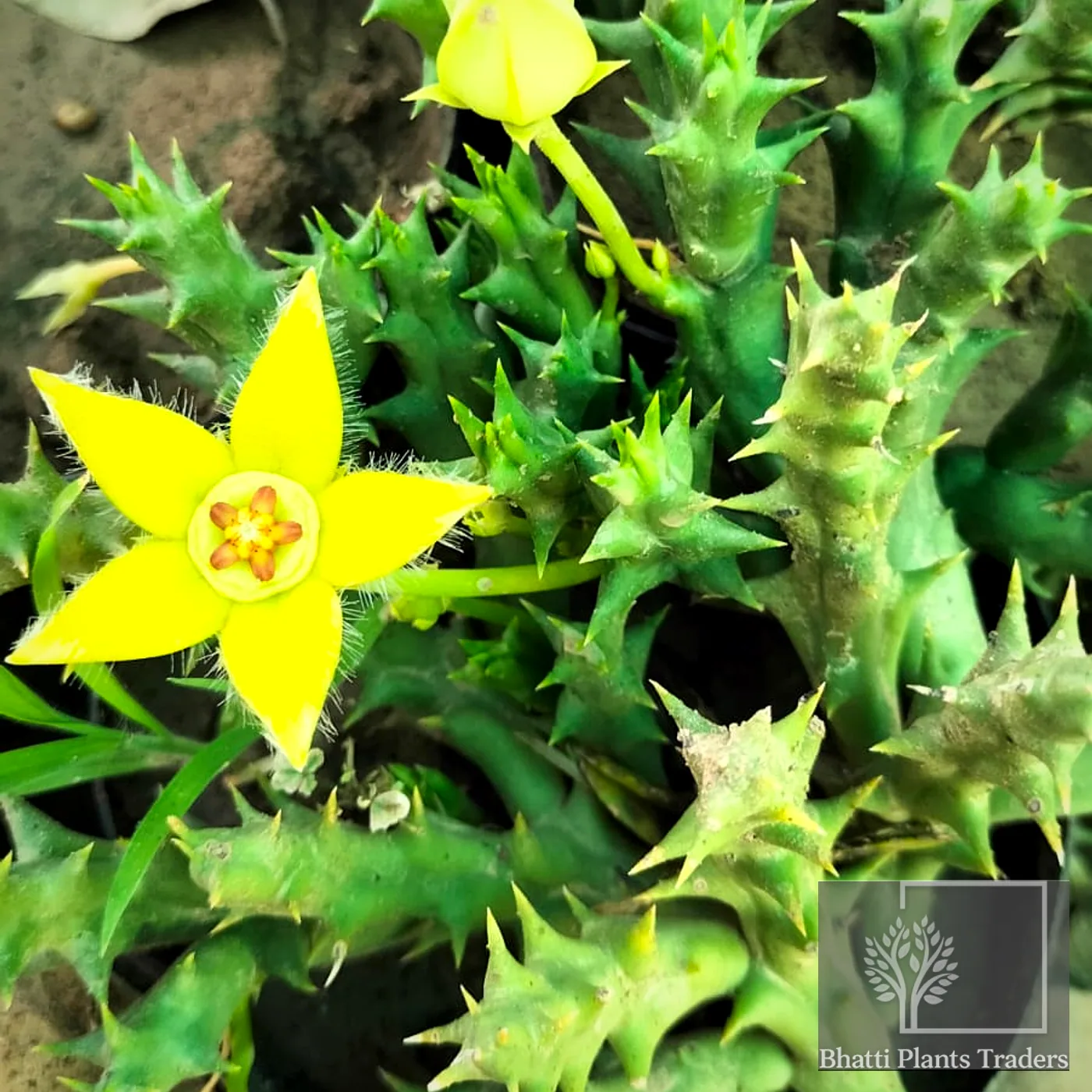
Stapelia produces one of the strangest flowers in cultivation: a five-pointed star up to 15 cm across, deep maroon, covered in fine hairs, and rippled at the edges. It is genuinely arresting to look at.
It also smells of rotting meat, because it is pollinated by flies. That is not a defect, it is the design. The scent is only detectable within a metre or so, and it lasts a day or two per flower — worth it, in our view, but grow it on the balcony rather than the dining table.
- Star flowers up to 15 cm across, hairy and deep maroon
- Fly-pollinated, so the flowers do smell — grow it outdoors
- Soft, spineless stems that root easily from cuttings
Rs 1,500for the 10 inch pot
Inclusive of pot and mix. Delivery Rs 350, free over Rs 5,000.
1
4.7(21 reviews) In stock, dispatched in 1–2 working days
Packed by hand
Dispatched in 1–2 working days
7-day guarantee
Replaced or refunded if damaged
Grown by us
Never bought in and resold
At a glance
- Mature size
- 15–25 cm, spreading clumps
- Growth rate
- Moderate
- Difficulty
- Easy to keep
- Around pets
- Non-toxic — safe if chewed
Bright lightBalconyTerrace
How to look after your Stapelia (Starfish Flower)
Written for Pakistani conditions — long hot summers, dry winter air, and hard tap water. Follow this rather than advice written for a temperate climate.
- Light
- Bright light with some direct sun. Most colour up beautifully with four hours of morning sun.
- Water
- Every 2–3 weeks in summer, monthly in winter. Water into the soil, not over the rosette.
- Humidity
- Low. Dry air is fine.
- Soil
- Gritty, mineral-heavy mix with sharp drainage.
- Feeding
- A weak feed twice during the growing season.
- Temperature
- 10–42°C. Most are hardy to brief cold but not to frost.
If something goes wrong
Rosette rotting from the centre
Why it happens: Water collecting in the crown.
What to do: Always water at soil level, and increase airflow.
Leaves losing colour, turning plain green
Why it happens: Not enough light.
What to do: Move into brighter conditions gradually to avoid scorching.
You might also like
Staff pick
Bestseller
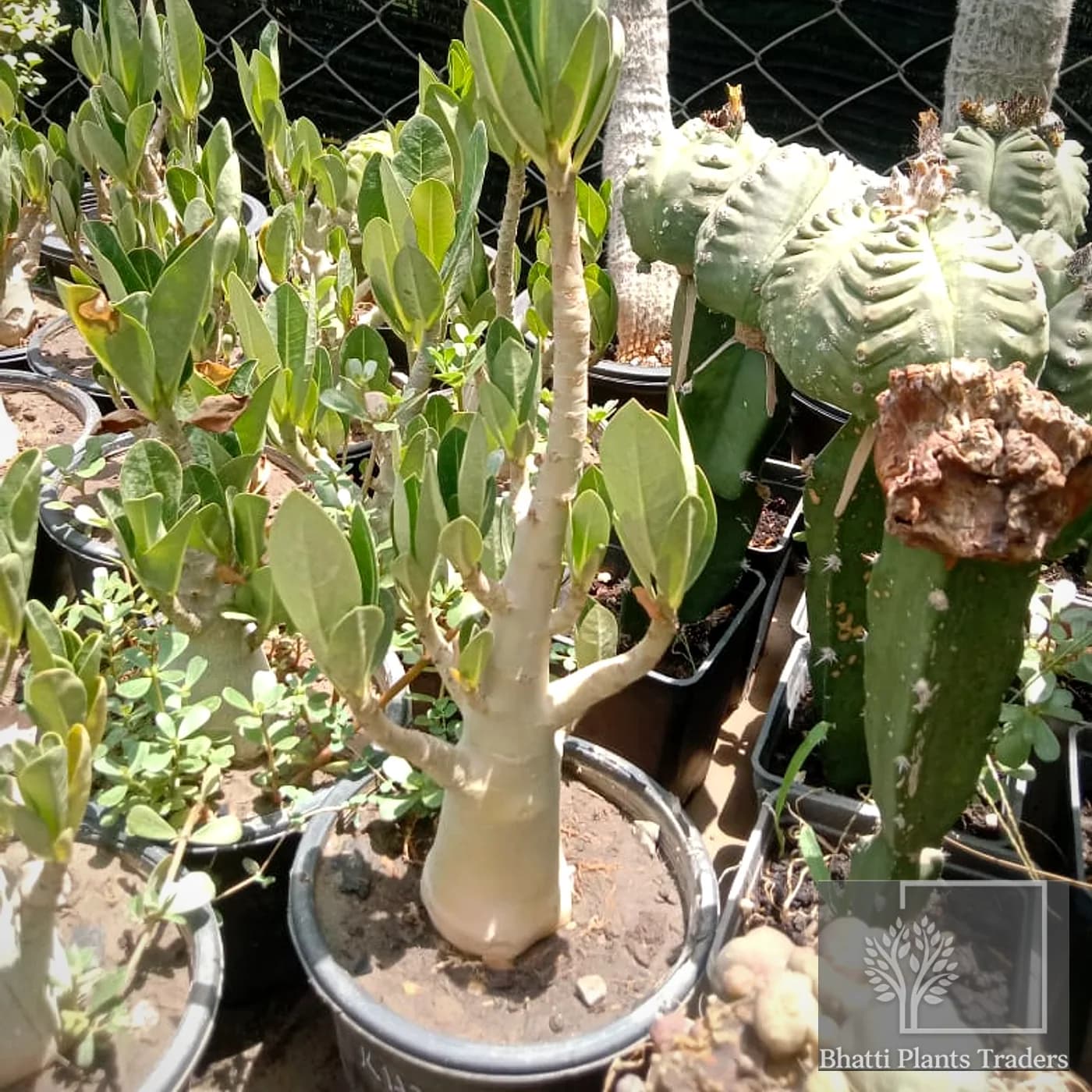
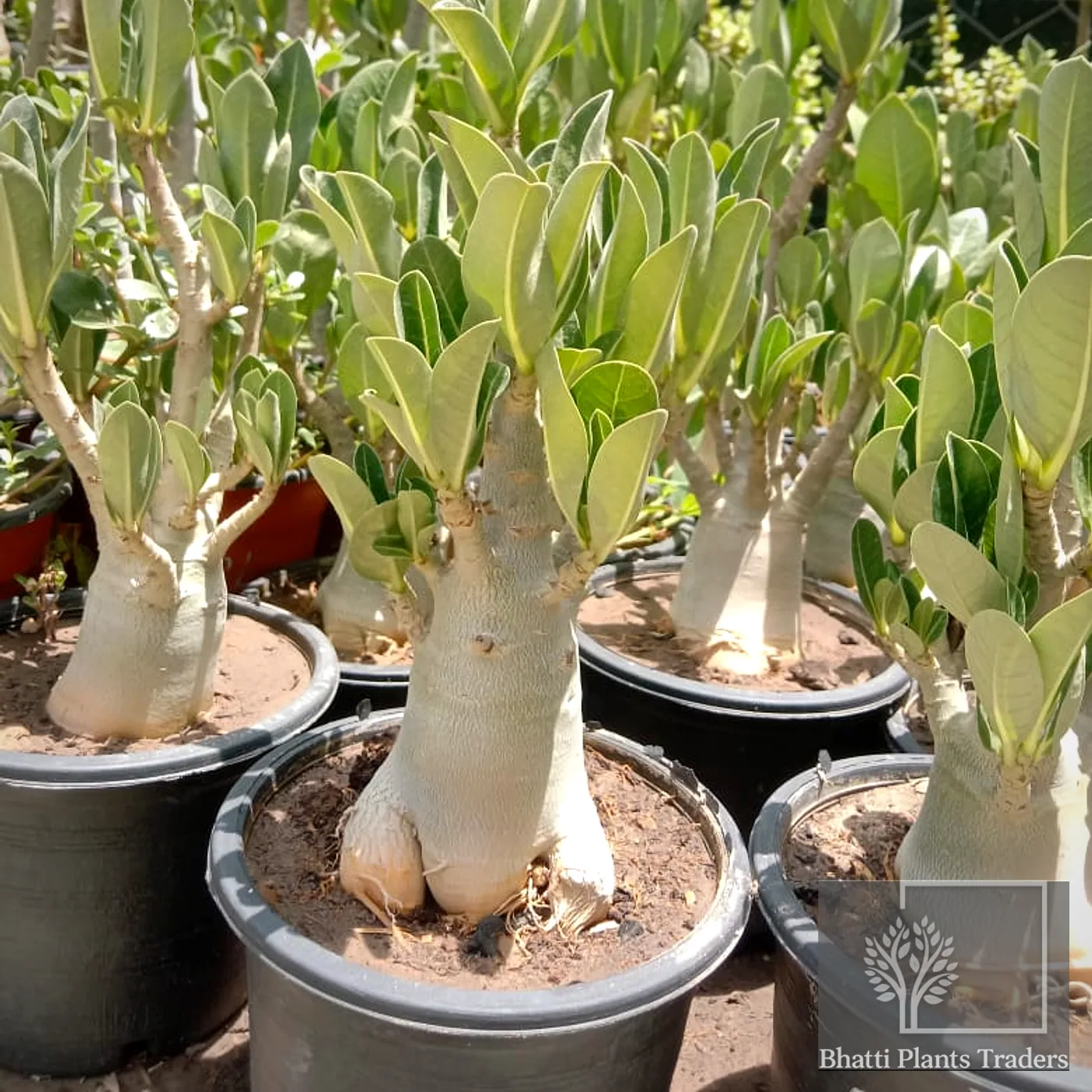
A fat, sculptural caudex topped with trumpet flowers all summer.
fromRs 1,500
Collector