Collector
 Staff pick
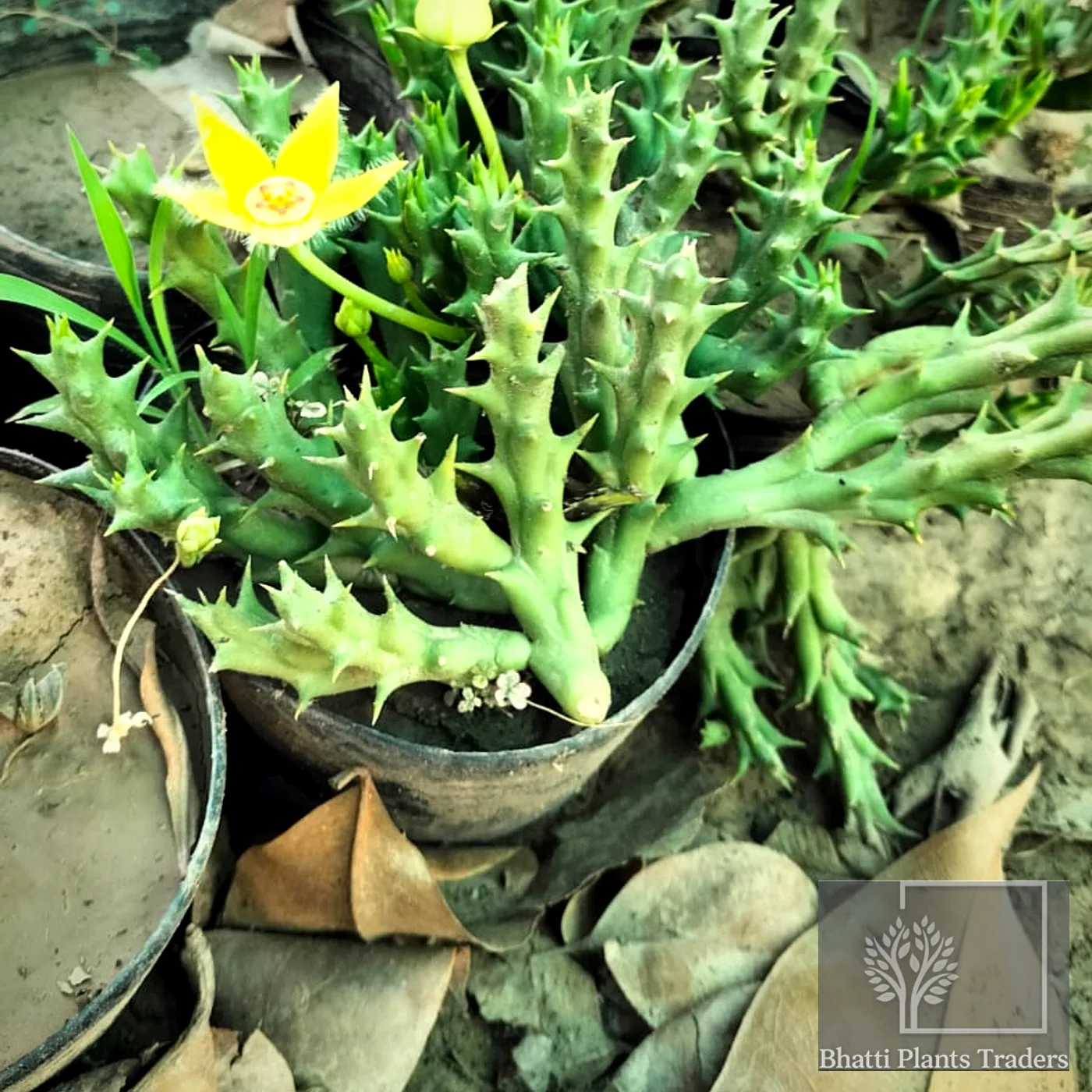
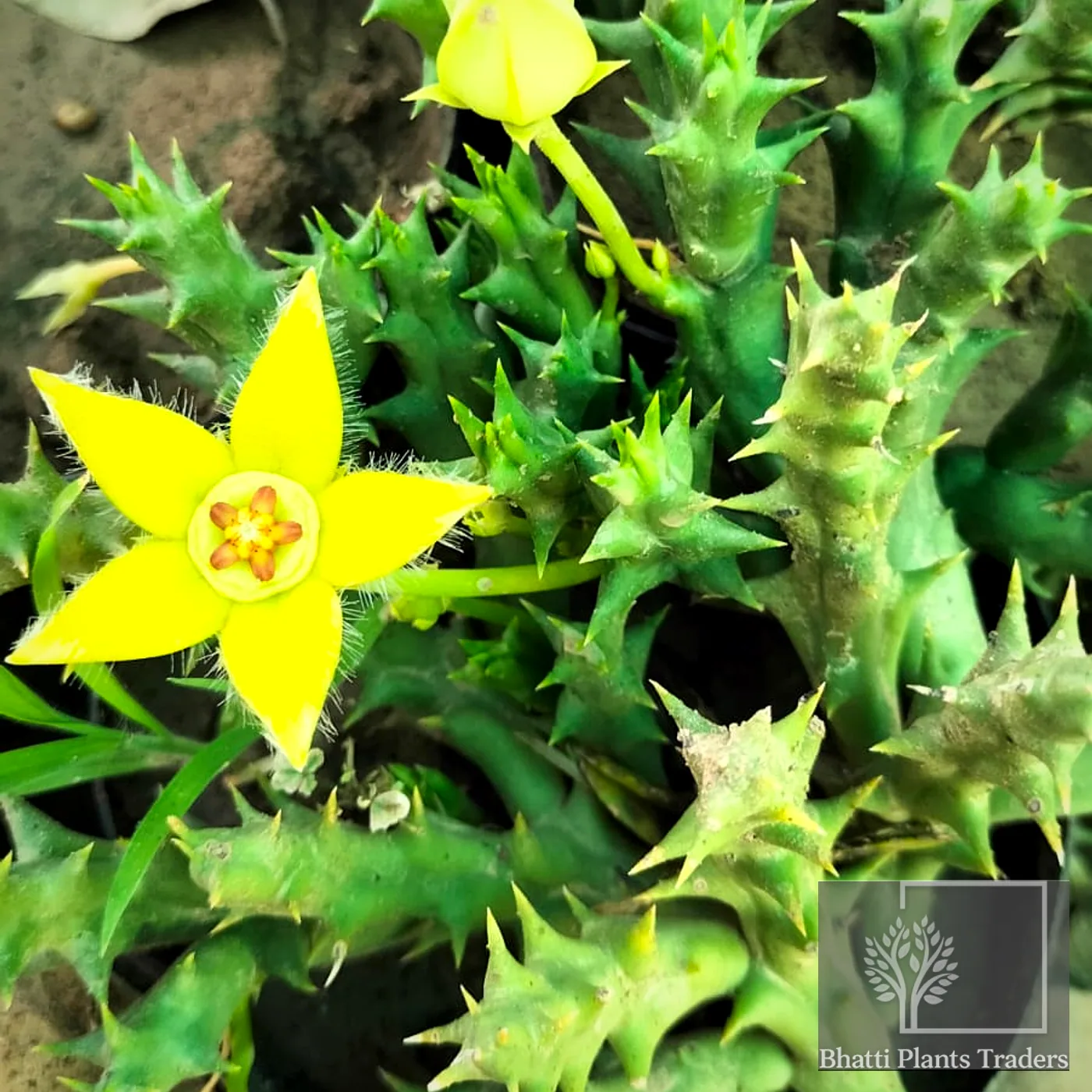
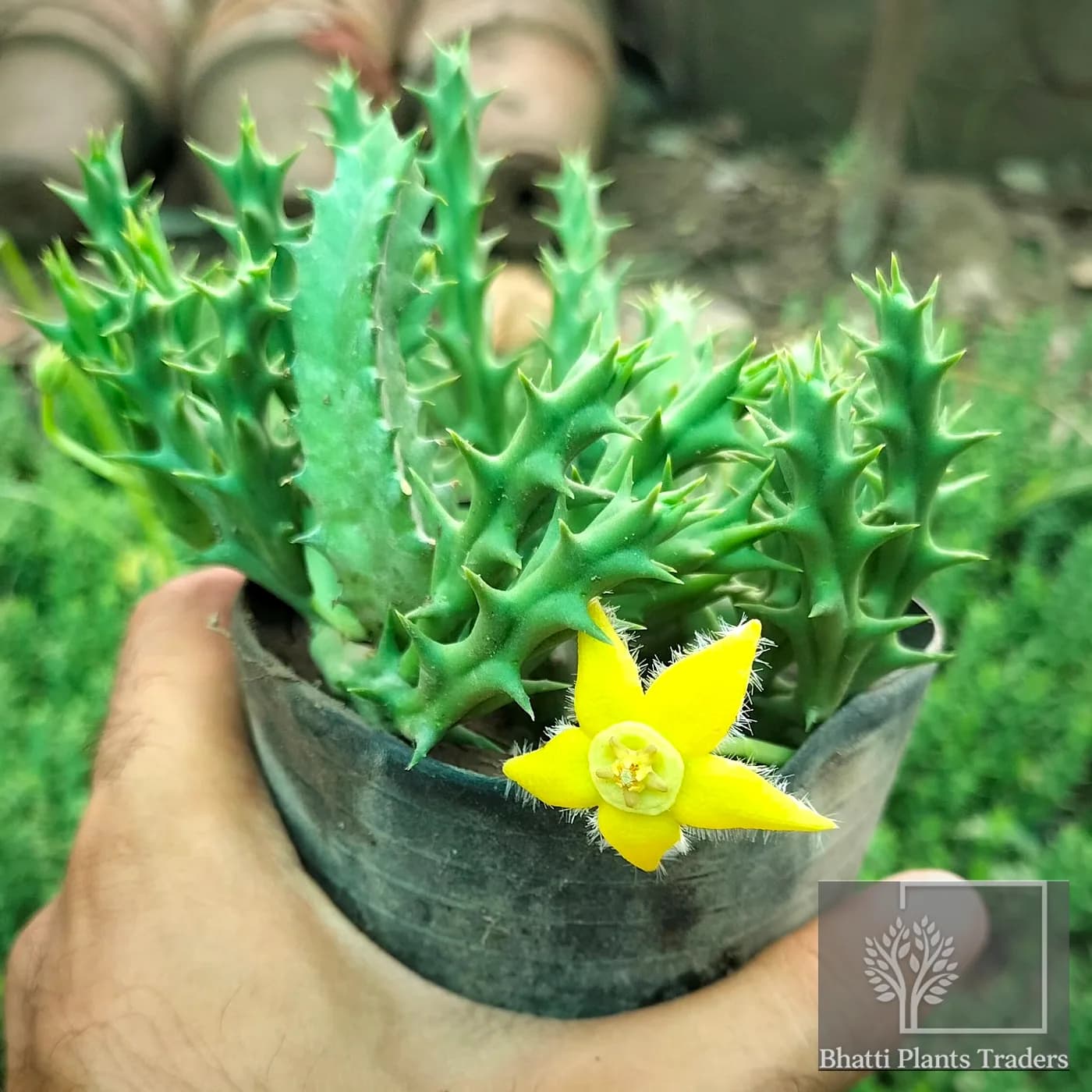
Photographs are of our actual stock, taken at the nursery. Plants are living things — expect small differences in shape and leaf count from the plant shown.
Succulents & Cacti
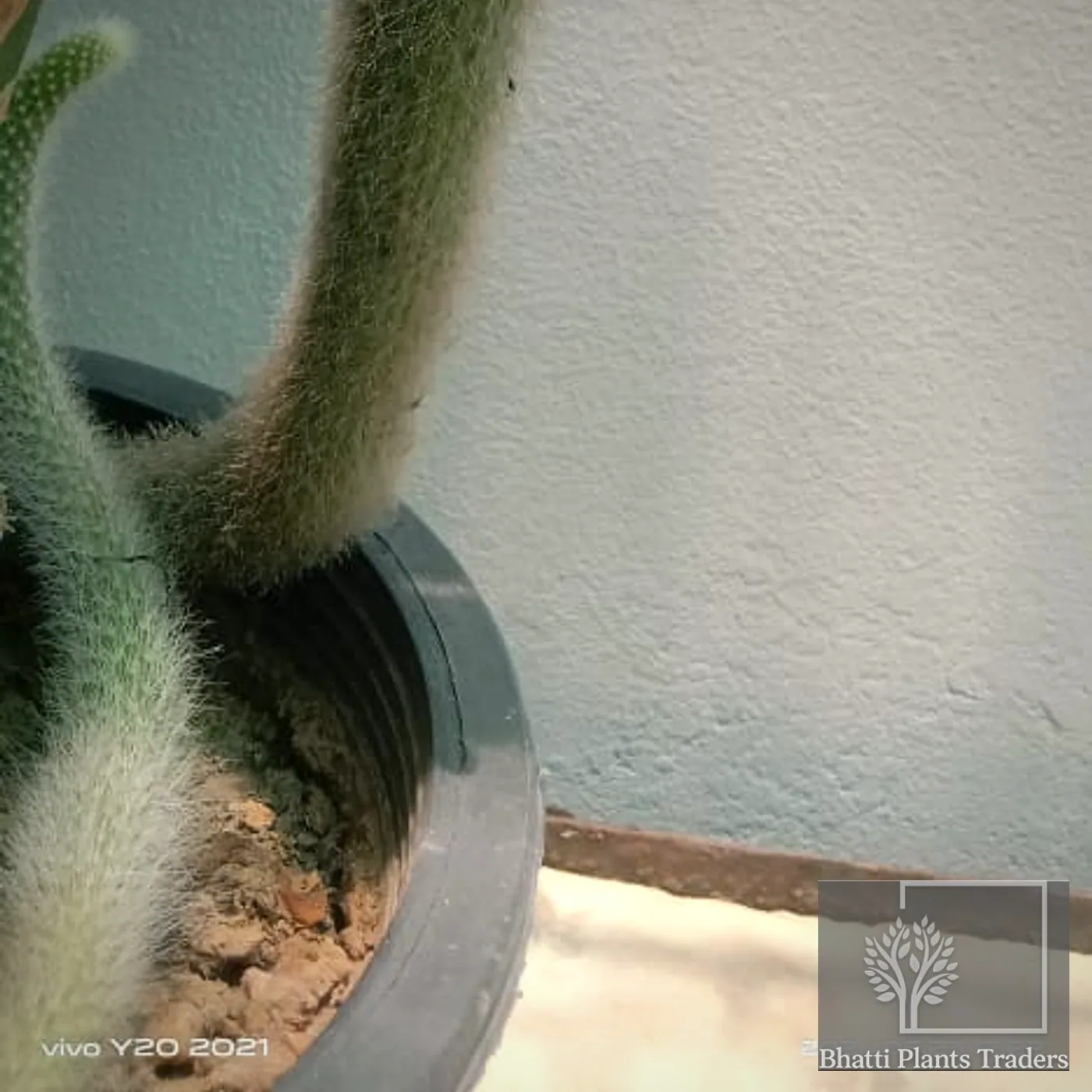
Monkey Tail Cactus
Cleistocactus colademononis
Monkey tail hangs rather than stands — long, ropey stems densely clothed in soft, white, backward-pointing spines that genuinely are soft to the touch, unlike almost every other cactus. Mature stems reach well over a metre.
It flowers a startling deep red directly from the stems, and it is one of the few cacti that looks best in a hanging basket. Give it bright light and let it dry out completely between waterings.
- Genuinely soft white spines — safe to handle
- Trailing stems reach over a metre from a hanging basket
- Deep red flowers emerge directly from the stem
Rs 2,800for the 10 inch pot
Inclusive of pot and mix. Delivery Rs 350, free over Rs 5,000.
1
4.9(28 reviews) In stock, dispatched in 1–2 working days
Packed by hand
Dispatched in 1–2 working days
7-day guarantee
Replaced or refunded if damaged
Grown by us
Never bought in and resold
At a glance
- Mature size
- Trails 60 cm – 1.5 m
- Growth rate
- Moderate
- Difficulty
- Moderate to keep
- Around pets
- Non-toxic — safe if chewed
Bright lightShelf or hangingBalcony
How to look after your Monkey Tail Cactus
Written for Pakistani conditions — long hot summers, dry winter air, and hard tap water. Follow this rather than advice written for a temperate climate.
- Light
- Full sun. Four to six hours of direct light minimum — a rooftop, balcony rail or south-facing sill. Acclimatise gradually if the plant has been indoors.
- Water
- Soak thoroughly, then let the mix dry completely before watering again. Fortnightly in summer heat, and nothing at all from mid-November to late February.
- Humidity
- Low. Good airflow matters more than humidity — stagnant, damp air invites fungal spotting.
- Soil
- Gritty mineral mix: coarse sand, perlite and a little compost. Our plants ship in this blend already.
- Feeding
- Low-nitrogen cactus feed once in April and once in July.
- Temperature
- 10–45°C. Genuinely tolerates Pakistani summer heat. Keep dry and above 5°C in winter.
If something goes wrong
Soft brown patch at soil level
Why it happens: Rot from winter watering.
What to do: Cut above the rot with a sterile blade, callus the cut for a week in shade, then re-root in dry mix.
Pale, stretched, narrow new growth
Why it happens: Etiolation from too little light.
What to do: Increase sun gradually over two weeks. The stretched section will not shrink back, but new growth returns to normal.
White cottony specks in the crevices
Why it happens: Mealybug.
What to do: Dab each cluster with a cotton bud dipped in rubbing alcohol, and repeat weekly for a month.
You might also like
Rare
Collector