Staff pick
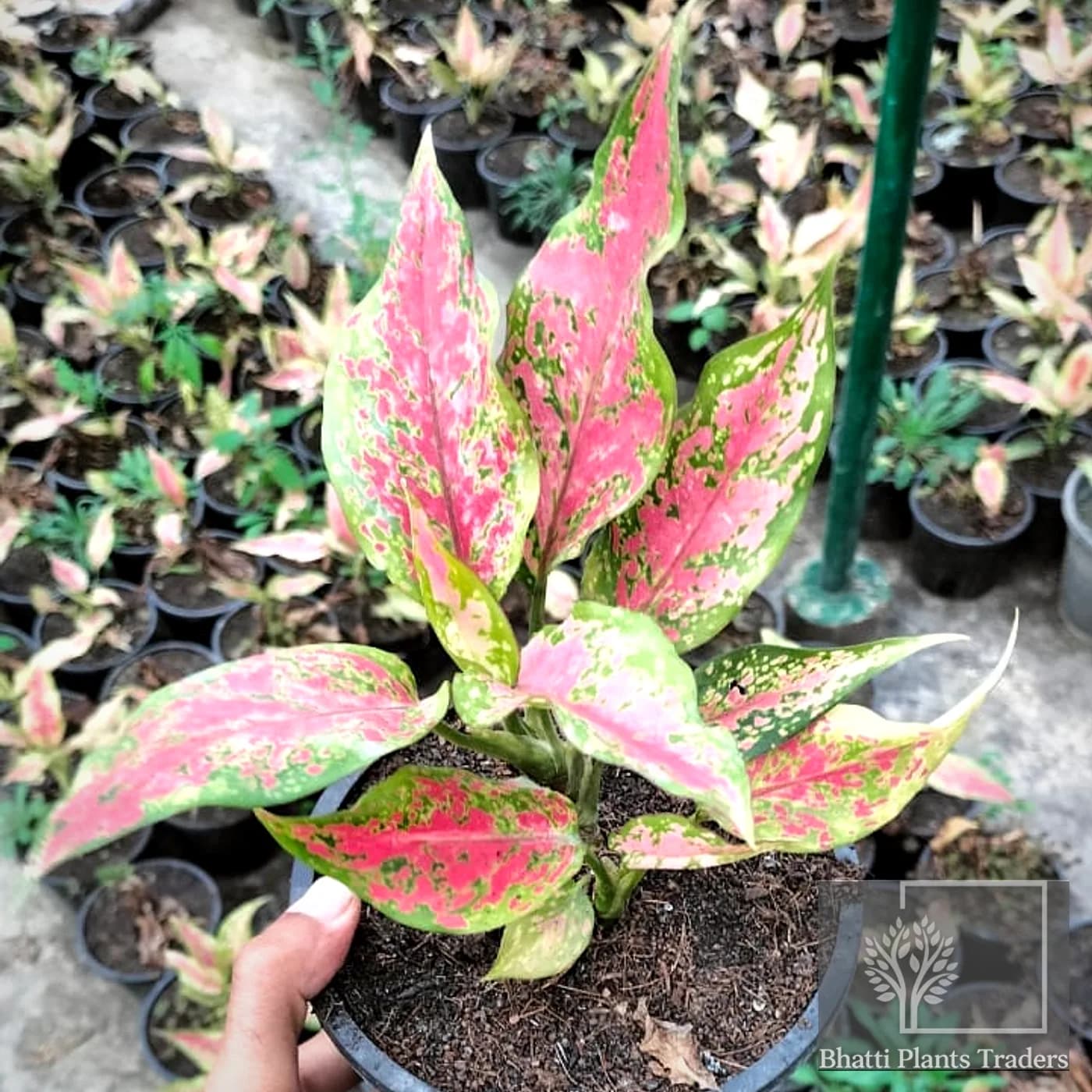
Pink-red leaves that hold their colour in ordinary indoor light.
fromRs 600
Delivery by courier, bus cargo, railway goods or our own truck — cost depends on the plants and the method
0301 4098726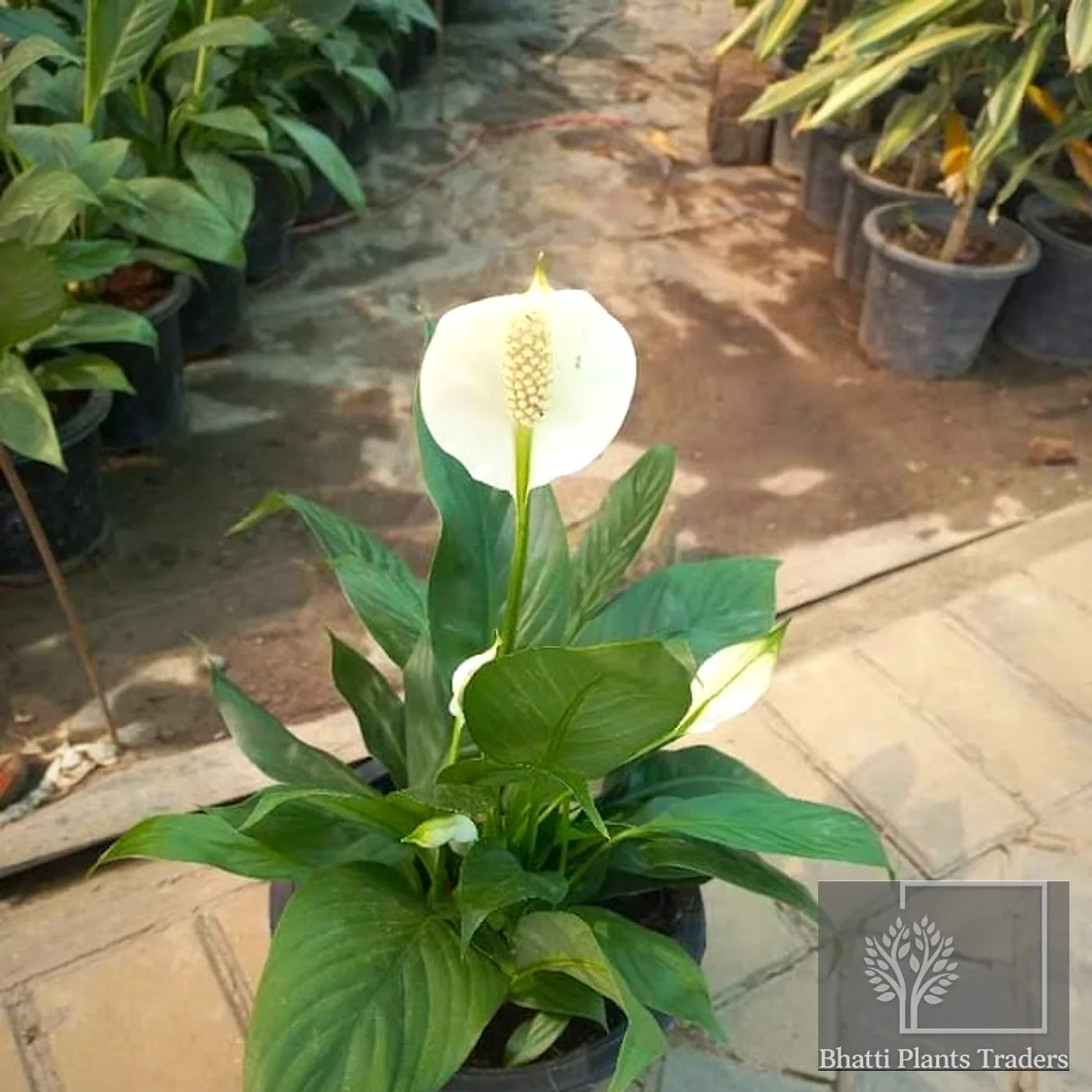 Bestseller
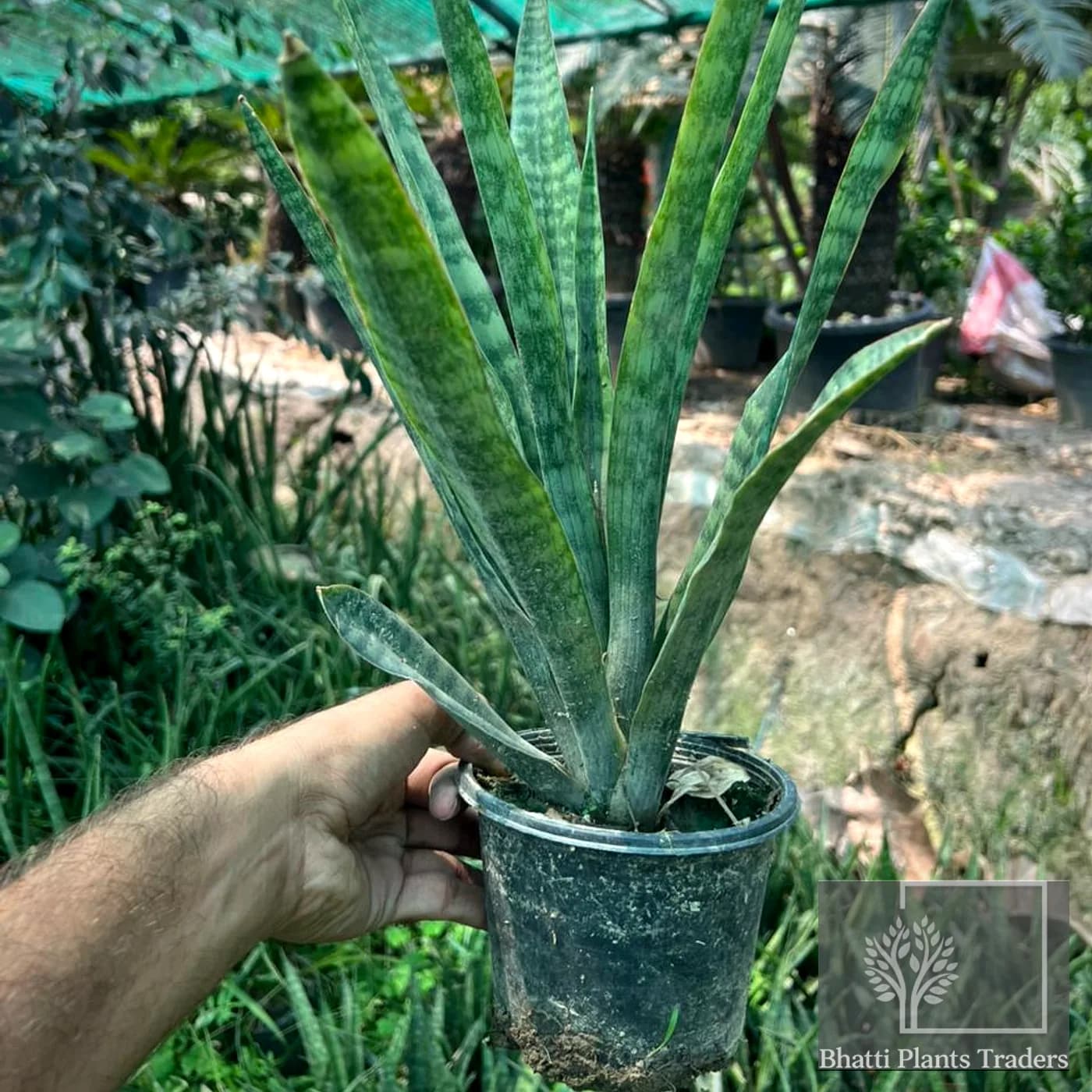
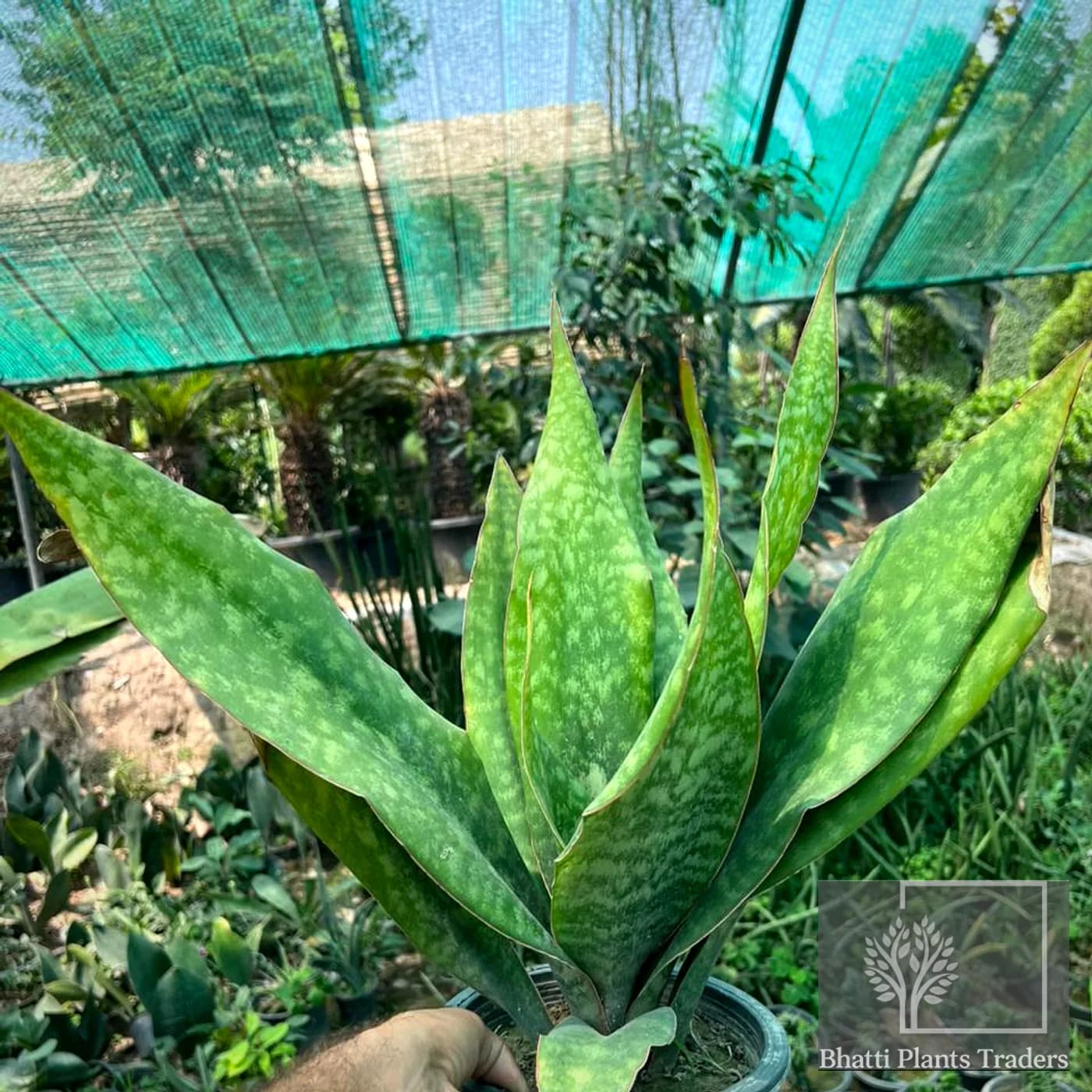
Photographs are of our actual stock, taken at the nursery. Plants are living things — expect small differences in shape and leaf count from the plant shown.
Indoor Plants
Spathiphyllum wallisii
The peace lily is the plant we recommend to people who say they kill everything, because it is the only common houseplant that gives you an unmistakable warning: it wilts dramatically when it needs water, and recovers within a couple of hours of getting it. You cannot really miss the signal.
The white "flower" is a spathe — a modified leaf wrapped around the actual flower spike — and it lasts for weeks. Plants flower most freely in bright indirect light, but they stay perfectly healthy in a much darker corner, just greener.
It is one of the few genuinely effective air-purifying plants, and it likes the humidity of a bathroom. It is not pet safe: the sap contains calcium oxalate and it will burn a cat or dog’s mouth.
Inclusive of pot and mix. Delivery Rs 350, free over Rs 5,000.
Packed by hand
Dispatched in 1–2 working days
7-day guarantee
Replaced or refunded if damaged
Grown by us
Never bought in and resold
Written for Pakistani conditions — long hot summers, dry winter air, and hard tap water. Follow this rather than advice written for a temperate climate.
Why it happens: Overwatering — the most common cause by far.
What to do: Let the mix dry to 5 cm depth, then water less often. Check that the drainage hole is not blocked.
Why it happens: Dry air or salt build-up from tap water.
What to do: Raise humidity, and flush the pot with a large volume of water once a month.
Why it happens: Not enough light.
What to do: Move closer to a window. Aroids stretch toward light rather than complaining first.
Pink-red leaves that hold their colour in ordinary indoor light.