The best-looking plant that will genuinely tolerate a dim room.
fromRs 1,700
Delivery by courier, bus cargo, railway goods or our own truck — cost depends on the plants and the method
0301 4098726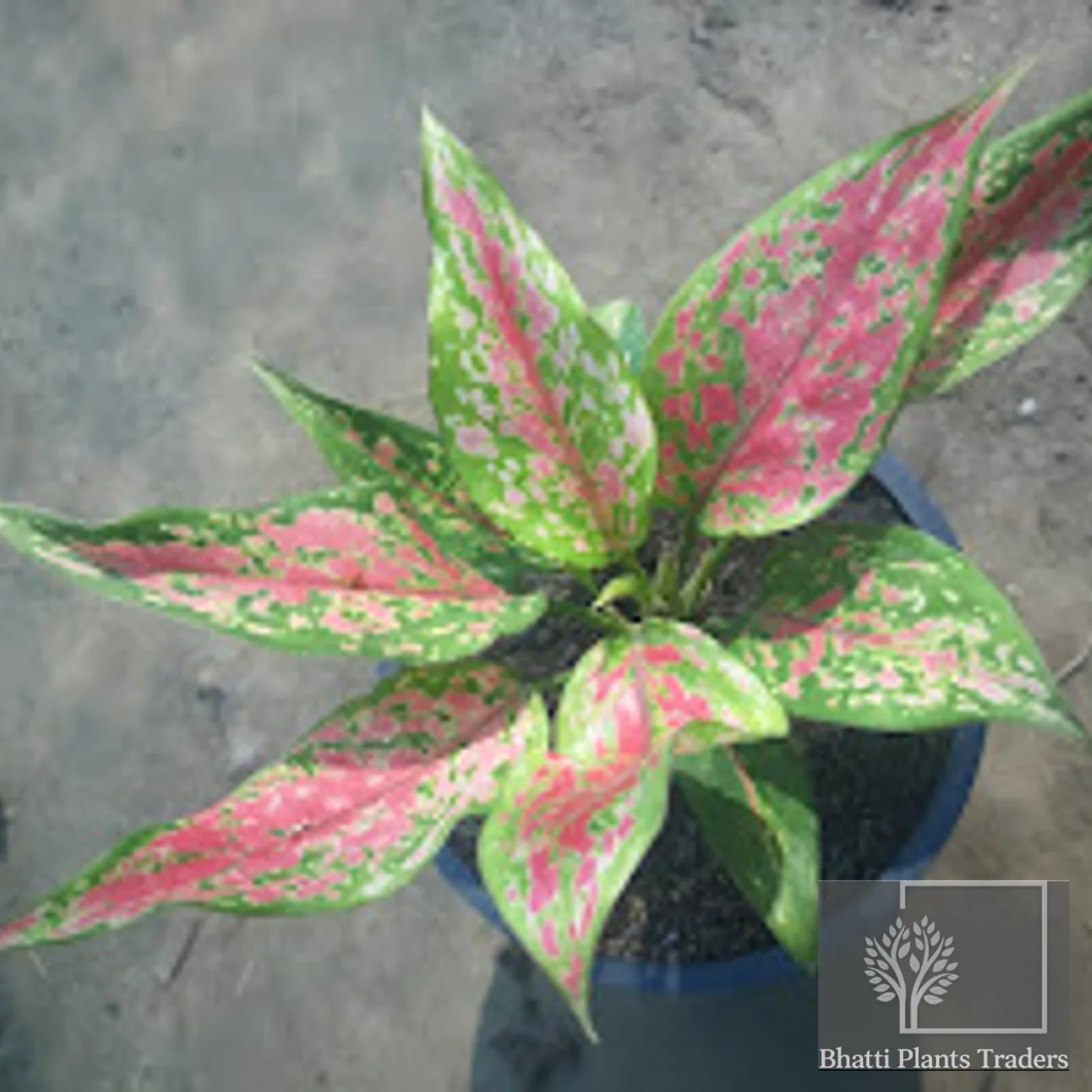 Staff pick
Photographs are of our actual stock, taken at the nursery. Plants are living things — expect small differences in shape and leaf count from the plant shown.
Indoor Plants
Aglaonema ‘Siam Aurora’
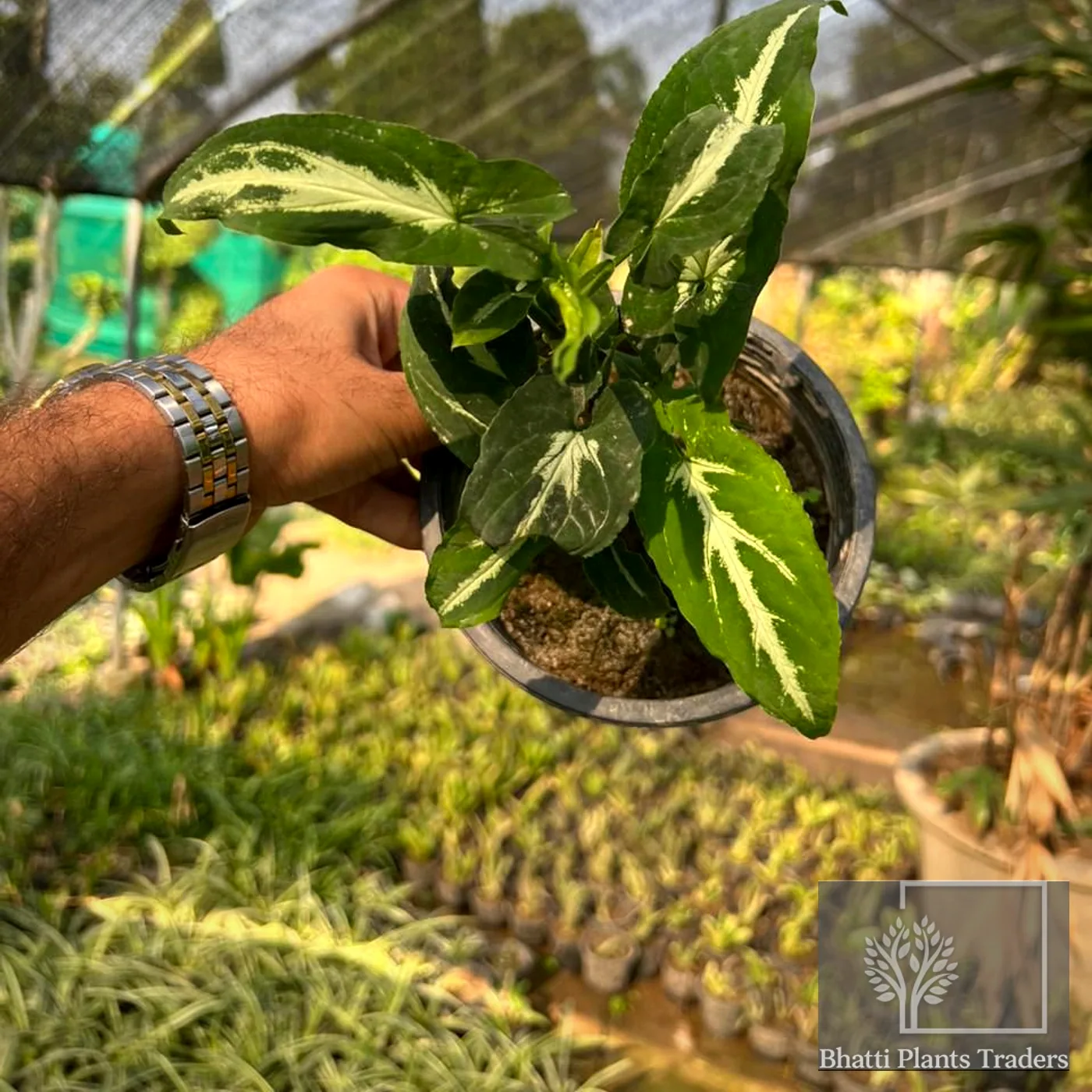
Most red-leaved houseplants lose their colour indoors within a season. Aglaonema is the exception, and Siam Aurora — sold here as red aglaonema or lipstick aglaonema — is the one that holds best: green leaves with a broad pink-red midrib and margin, and new growth that comes out almost entirely pink.
It is also, quietly, one of the toughest plants we grow. It takes low light, it takes dry indoor air, and it forgives a missed fortnight of watering better than almost any other aroid. That combination — genuinely colourful and genuinely easy — is rare enough to be worth pointing out.
The one thing it will not take is cold. Below about 12°C the leaves develop grey patches that never recover, so keep it away from a winter window that gets left open.
Inclusive of pot and mix. Delivery Rs 350, free over Rs 5,000.
Packed by hand
Dispatched in 1–2 working days
7-day guarantee
Replaced or refunded if damaged
Grown by us
Never bought in and resold
Written for Pakistani conditions — long hot summers, dry winter air, and hard tap water. Follow this rather than advice written for a temperate climate.
Why it happens: Overwatering — the most common cause by far.
What to do: Let the mix dry to 5 cm depth, then water less often. Check that the drainage hole is not blocked.
Why it happens: Dry air or salt build-up from tap water.
What to do: Raise humidity, and flush the pot with a large volume of water once a month.
Why it happens: Not enough light.
What to do: Move closer to a window. Aroids stretch toward light rather than complaining first.
Aglaonema spp.
They differ in leaf shape, mature size and colour — compare them side by side before you choose.
The best-looking plant that will genuinely tolerate a dim room.