Design8 min read
Building a balcony garden that survives its first summer
Most balcony gardens in Pakistan are planted in March and dead by July. A plant-by-plant plan based on which way your balcony faces.
A balcony is a harsher place than a garden. Pots dry faster, wind is stronger, concrete radiates heat from below and from the wall behind, and there is no soil mass to buffer any of it. Plants that would be trouble-free in the ground struggle two floors up.
The single most useful thing you can do before buying anything is work out which direction your balcony faces, because that determines what will live there far more than anything else you decide.
North-facing: bright, no direct sun
The easiest balcony to plant, and the one people most often underestimate. Consistent soft light all day, no scorching, and much lower water demand than a sunny aspect.
Plant aglaonema, ZZ, snake plant, lady palm, ferns in a shaded corner, pothos trailing from a rail planter, and calathea if you are prepared to look after it. Almost nothing will flower here, so build the scheme around foliage contrast instead — a broad aglaonema next to fine fern fronds next to upright snake plant.
East-facing: morning sun, afternoon shade
The best aspect there is. Three or four hours of gentle morning sun and shade through the worst of the afternoon suits the widest possible range of plants.
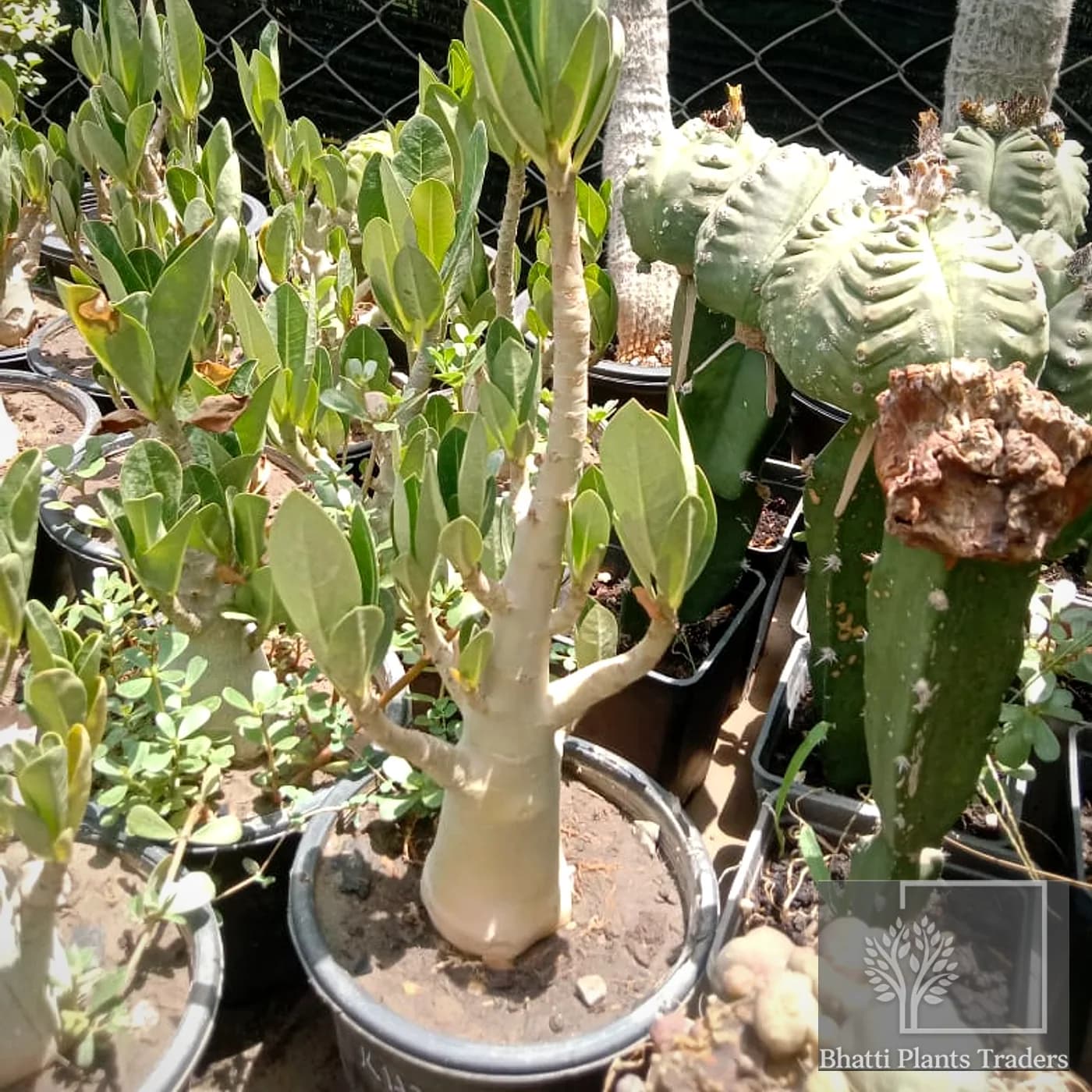
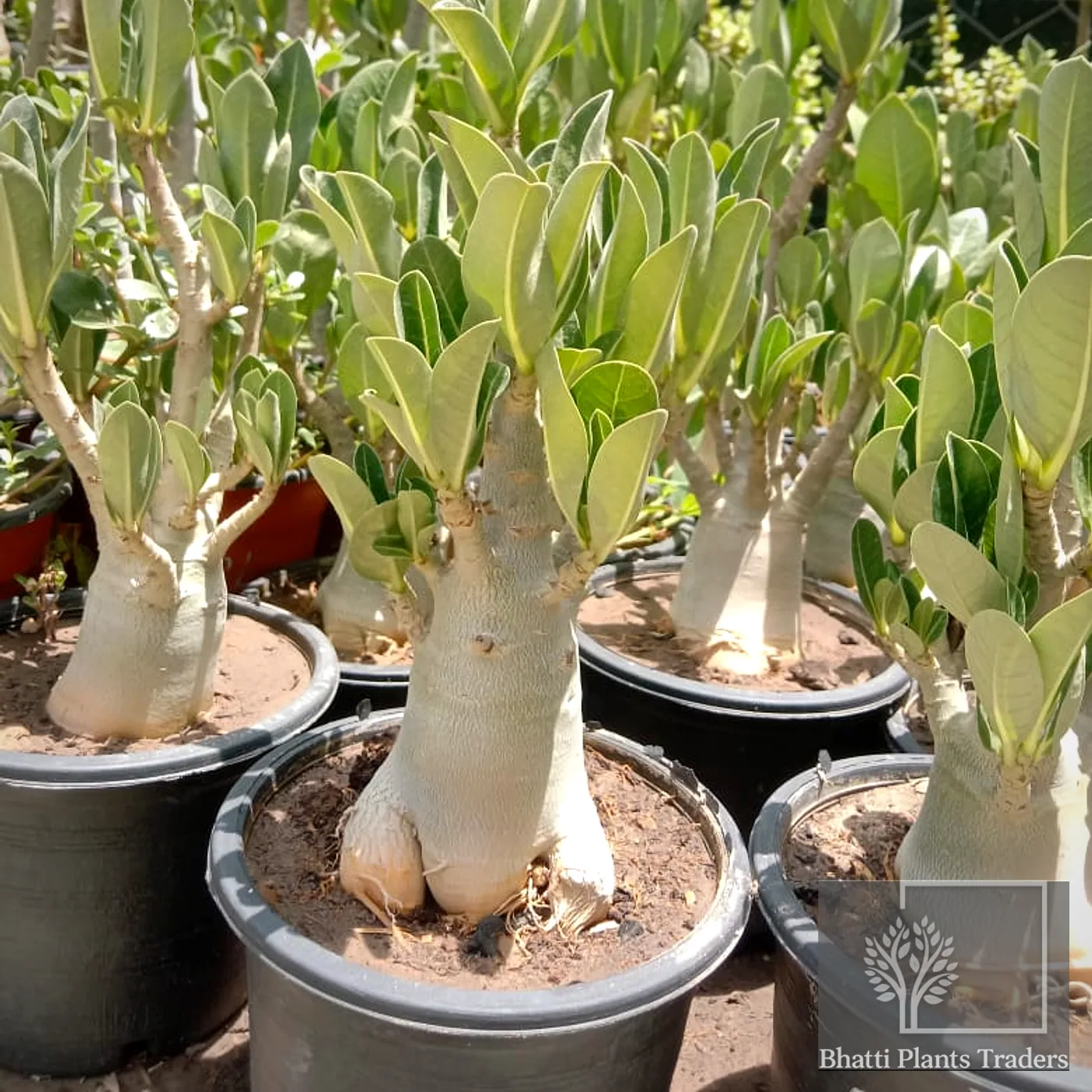
You can grow almost anything here: monstera, syngonium, ficus, adenium, herbs, dwarf ixora and thunbergia for flowers, and a small fruit tree such as barbados cherry or kaffir lime in a large pot.
West-facing: the difficult one
Hot afternoon sun through the worst hours of the day, on a surface that has been absorbing heat since noon. This is where balcony gardens fail.
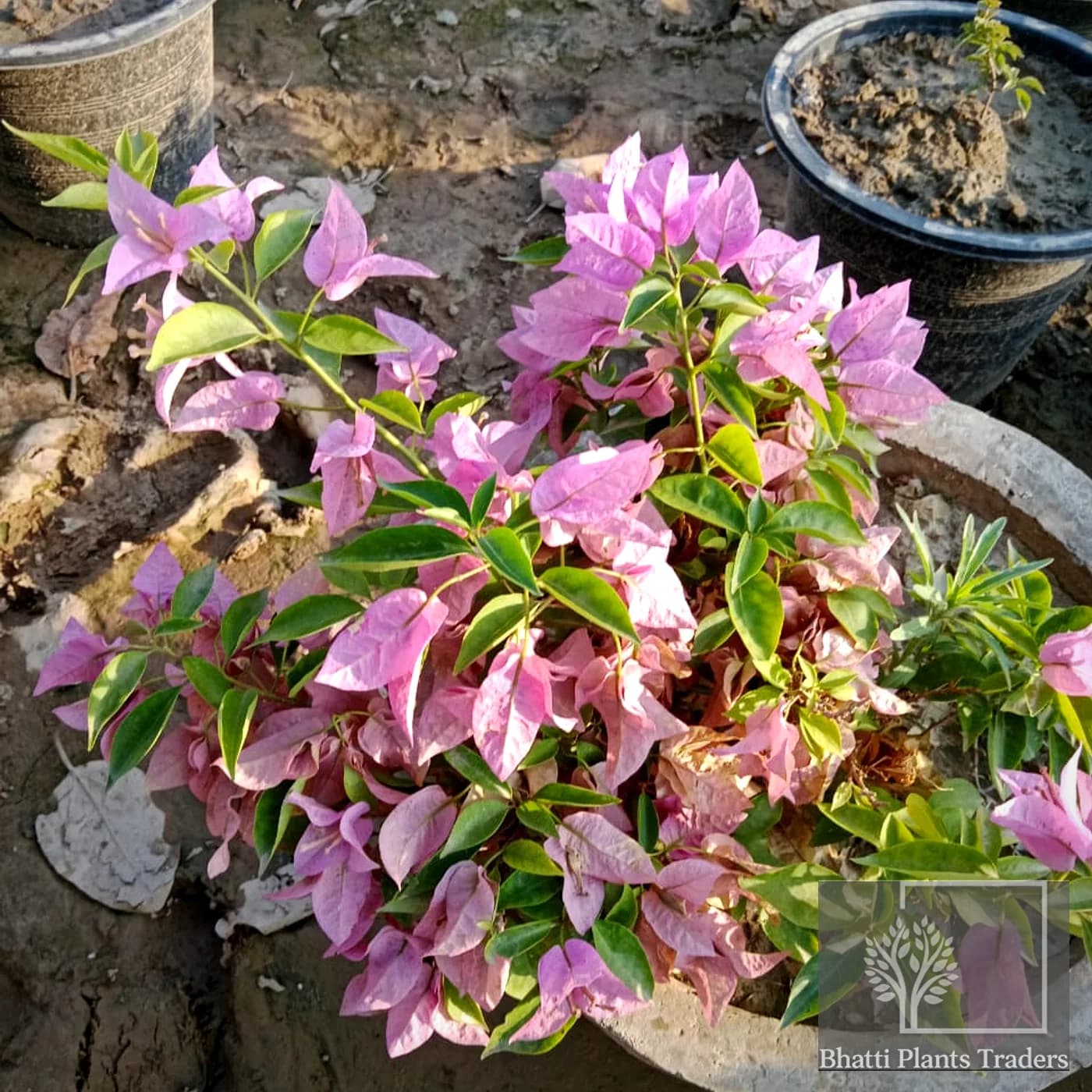
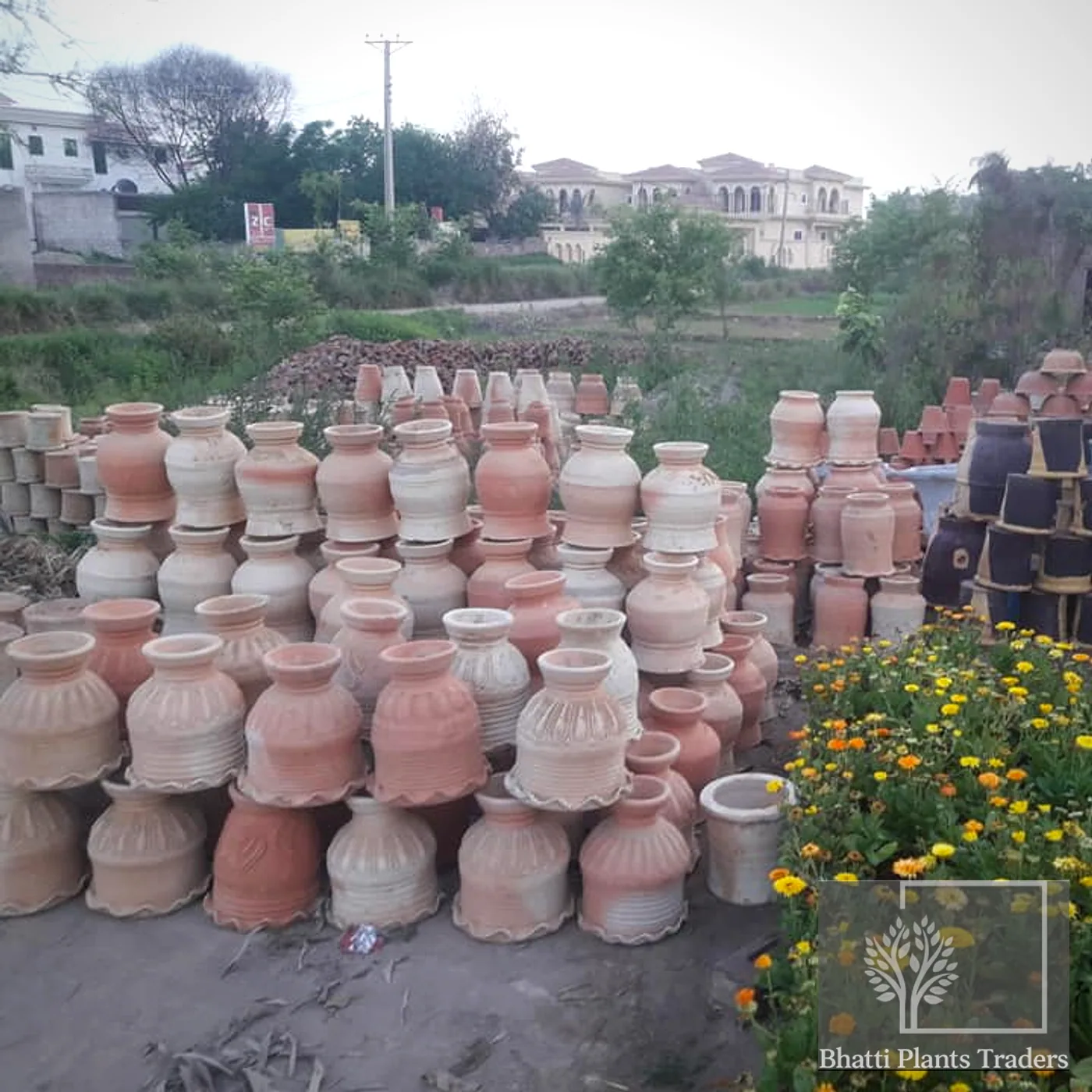
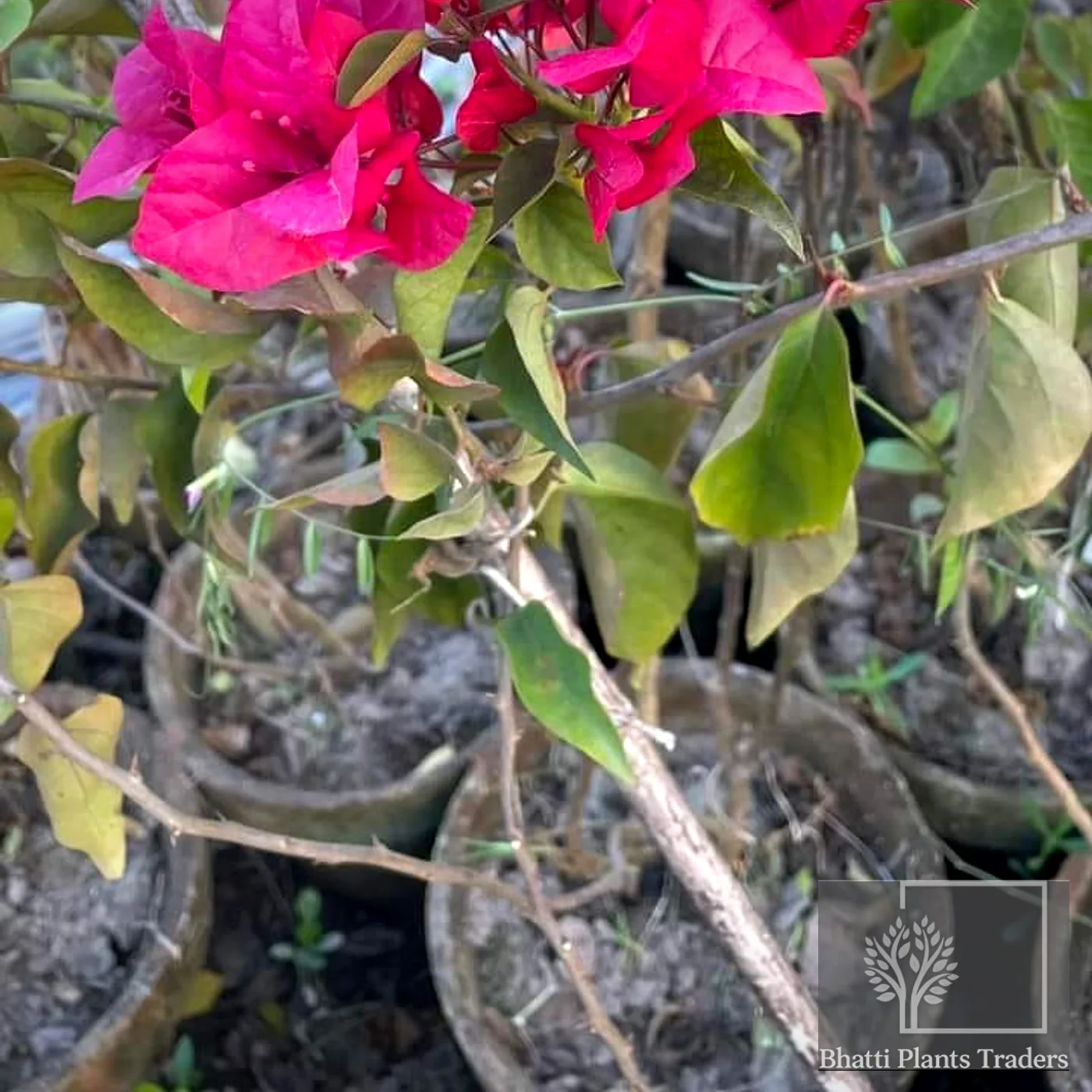
Only genuinely heat-adapted plants belong here: bougainvillea, adenium, cacti, agave, euphorbia, plumeria, pachypodium. Add 50% shade cloth on a simple frame and the range widens considerably. Whatever you plant, use terracotta rather than dark plastic and raise every pot off the floor.
South-facing: full sun most of the day
Intense but more evenly distributed than west-facing, and excellent for anything that flowers or fruits. This is the aspect for a serious cactus and succulent collection, for plumeria and bougainvillea, and for productive plants — rosemary, dwarf peach, guava, grape on a small trellis.
The limiting factor is water, not light. Everything in full sun on a Pakistani balcony needs mulching and, ideally, a self-watering reservoir under the larger pots.
Practical rules for any balcony
These apply regardless of aspect and matter more than plant choice.
- Check the load limit. Wet soil is heavy — a 45 cm pot fully watered weighs 50 kg or more. Keep the heaviest pots against the load-bearing wall, not out at the rail edge.
- Raise every pot on feet. Air underneath keeps roots cooler and stops staining and standing water.
- Use terracotta or light-coloured pots. Dark plastic in full sun cooks roots.
- Secure rail planters properly. A pot falling from a balcony is a serious matter.
- Group pots together. It raises local humidity and reduces water loss across the whole group.
- Plan for a fortnight away in summer. Group everything in the shadiest corner, water deeply, and mulch — or arrange for someone to water.
A starter scheme that works
If you want a specific, tested list: three large pots against the wall with structure plants — a bougainvillea trained upward on a west or south balcony, or a lady palm on a north one. Then five to six medium pots at mid-height with the flowering or foliage interest. Then trailing plants in rail planters at the edge to soften the boundary.
That is roughly ten plants, in three height tiers, and it reads as a designed space rather than a collection of pots. Add to it once you have got through one full summer and know what your balcony actually does.