Bestseller
 Rare
RarePhotographs are of our actual stock, taken at the nursery. Plants are living things — expect small differences in shape and leaf count from the plant shown.
Flowering Plants
Variegated Plumeria
Plumeria rubra ‘Variegata’
A plumeria that earns its place even out of flower. The long strap leaves are marbled and streaked in cream and pale yellow, so the plant carries interest through the whole growing season rather than only during the flush.
Variegated plumeria is slow and scarce — it is propagated only by cutting, and cuttings from heavily variegated wood strike poorly. Everything we sell is grown on here for at least two seasons after rooting to make sure it is stable.
- Cream and yellow marbled foliage, not just variegated flowers
- Grown on for two seasons after rooting to confirm stability
- Genuinely scarce — cuttings from variegated wood strike poorly
Rs 5,950for the 2 ft, 18 inch pot
Inclusive of pot and mix. Delivery free on this size.
1
4.9(24 reviews)Only 9 left
Packed by hand
Dispatched in 1–2 working days
7-day guarantee
Replaced or refunded if damaged
Grown by us
Never bought in and resold
At a glance
- Mature size
- 2–4 m
- Growth rate
- Slow to moderate
- Difficulty
- Moderate to keep
- Around pets
- Keep away from cats, dogs and small children
Full sunGardenLarge pot
How to look after your Variegated Plumeria
Written for Pakistani conditions — long hot summers, dry winter air, and hard tap water. Follow this rather than advice written for a temperate climate.
- Light
- Full sun for the heaviest flowering — six hours or more. In partial shade you get foliage and few blooms.
- Water
- Deeply twice a week in summer, weekly in winter. Let the top few centimetres dry between waterings.
- Humidity
- Ambient outdoor humidity is fine.
- Soil
- Well-draining garden soil or a loam-based container mix enriched with compost.
- Feeding
- High-phosphorus feed every 3 weeks through the flowering season to keep buds coming.
- Temperature
- 15–45°C. Most are heat-loving; protect from frost.
If something goes wrong
Healthy leaves but no flowers
Why it happens: Too little sun, or a nitrogen-heavy feed.
What to do: Move into full sun and switch to a high-phosphorus feed.
Buds forming then dropping before opening
Why it happens: Irregular watering or a sudden move.
What to do: Water on a steady schedule and leave the plant in one position while it is budding.
Sticky leaves and black sooty film
Why it happens: Aphids or scale, and the mould that grows on their honeydew.
What to do: Spray with neem oil weekly for three weeks, covering the leaf undersides.
You might also like
Bestseller
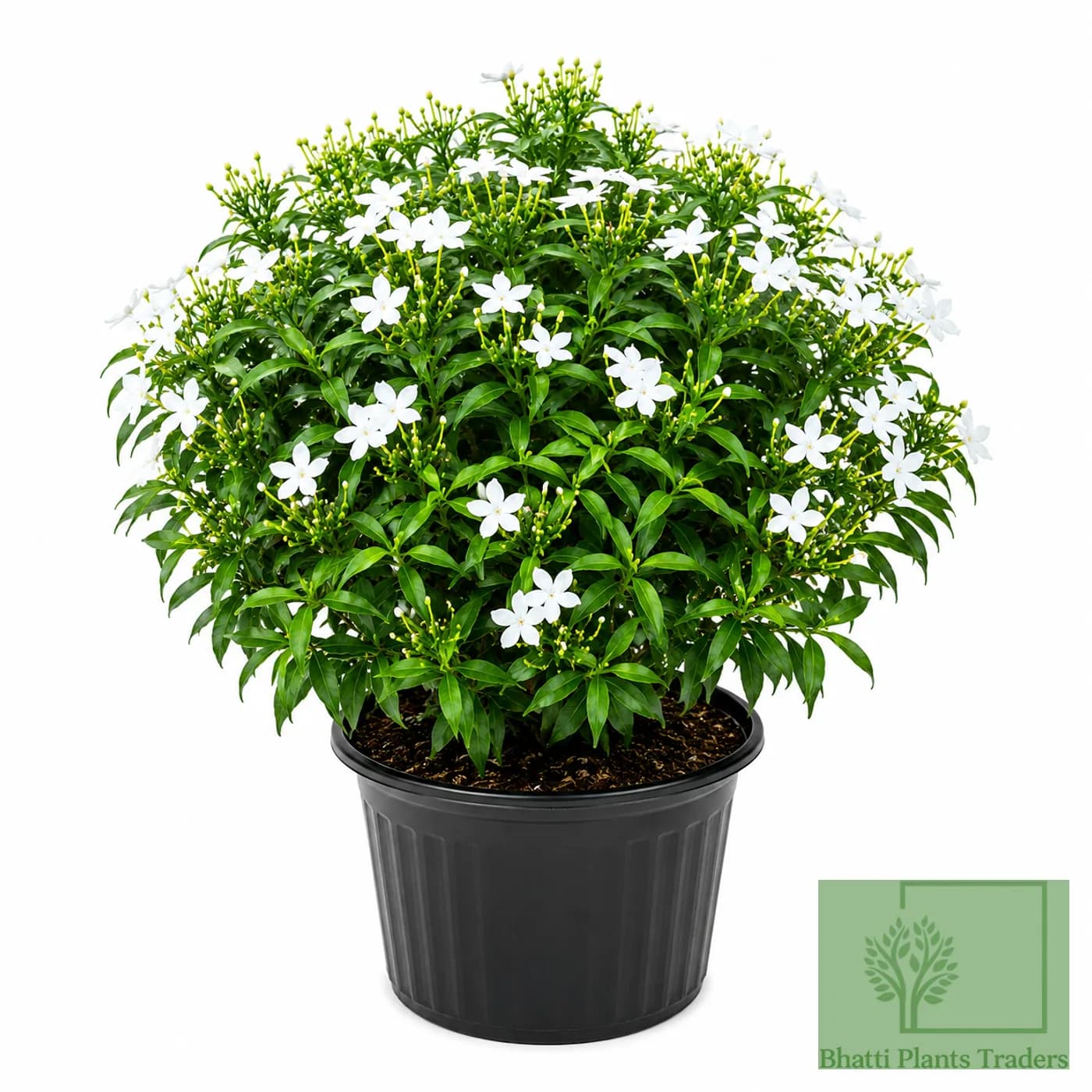
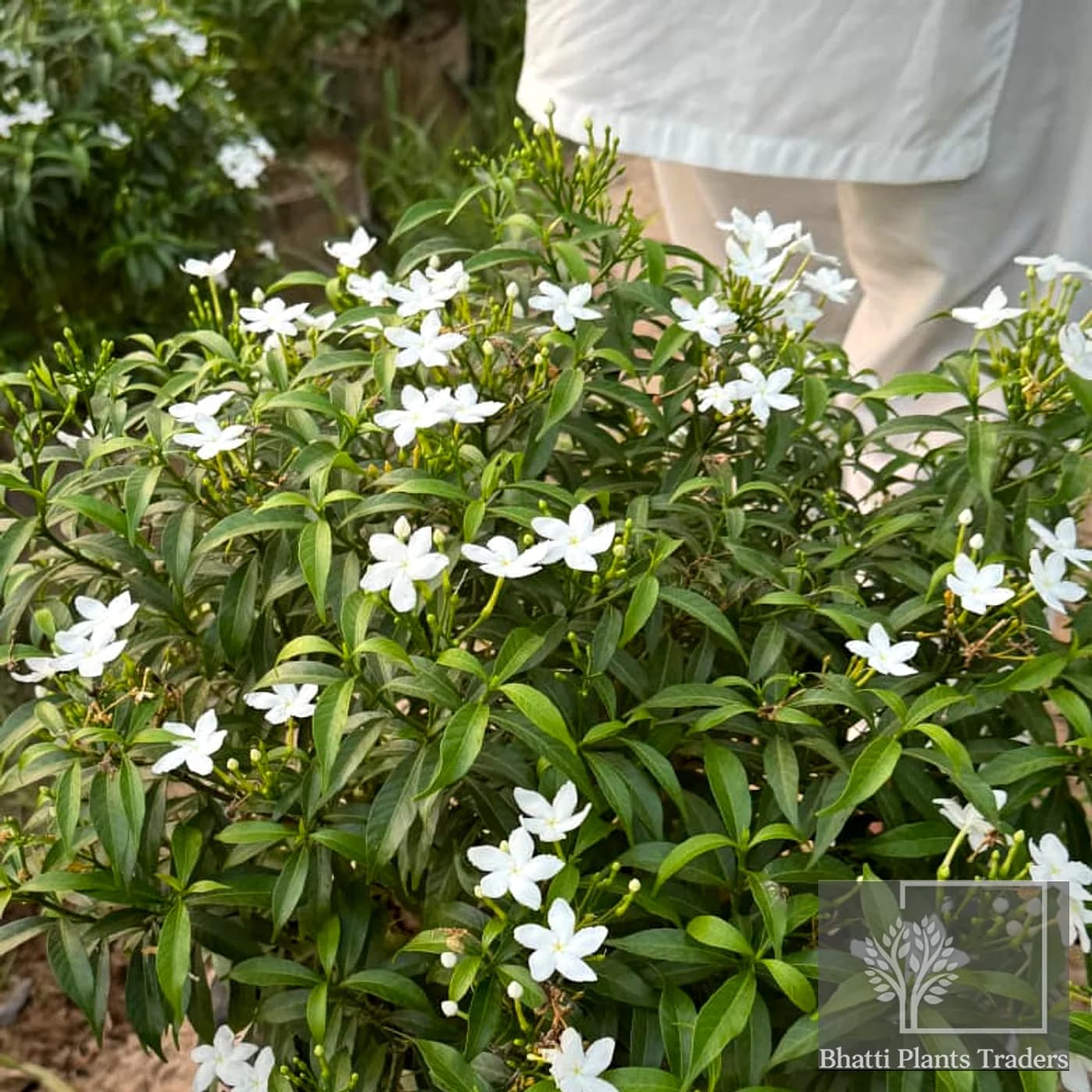
The white pinwheel flower that scents Pakistani courtyards all summer.
fromRs 500
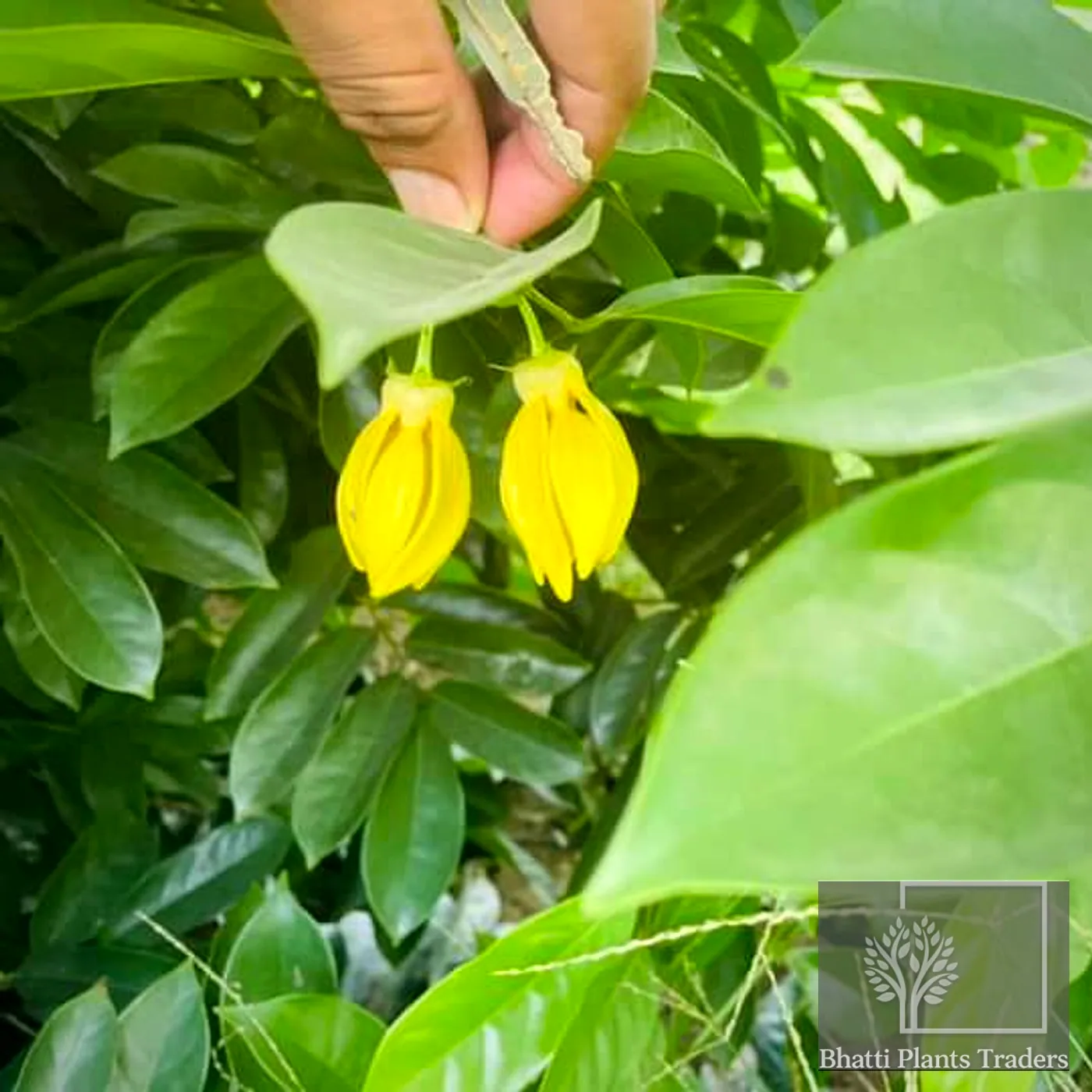
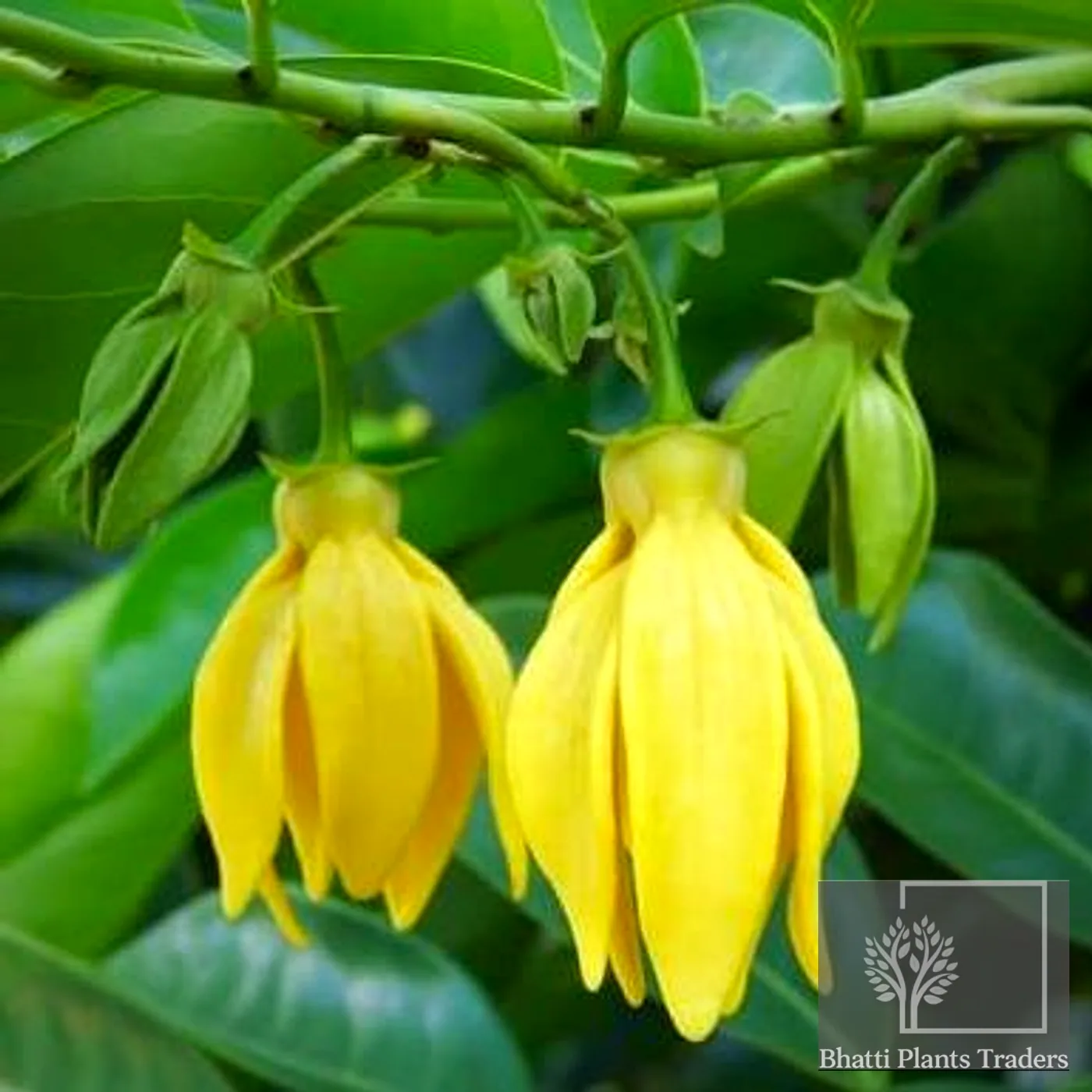
Small yellow flowers with one of the strongest scents in the garden.
fromRs 700
Staff pick