Bestseller
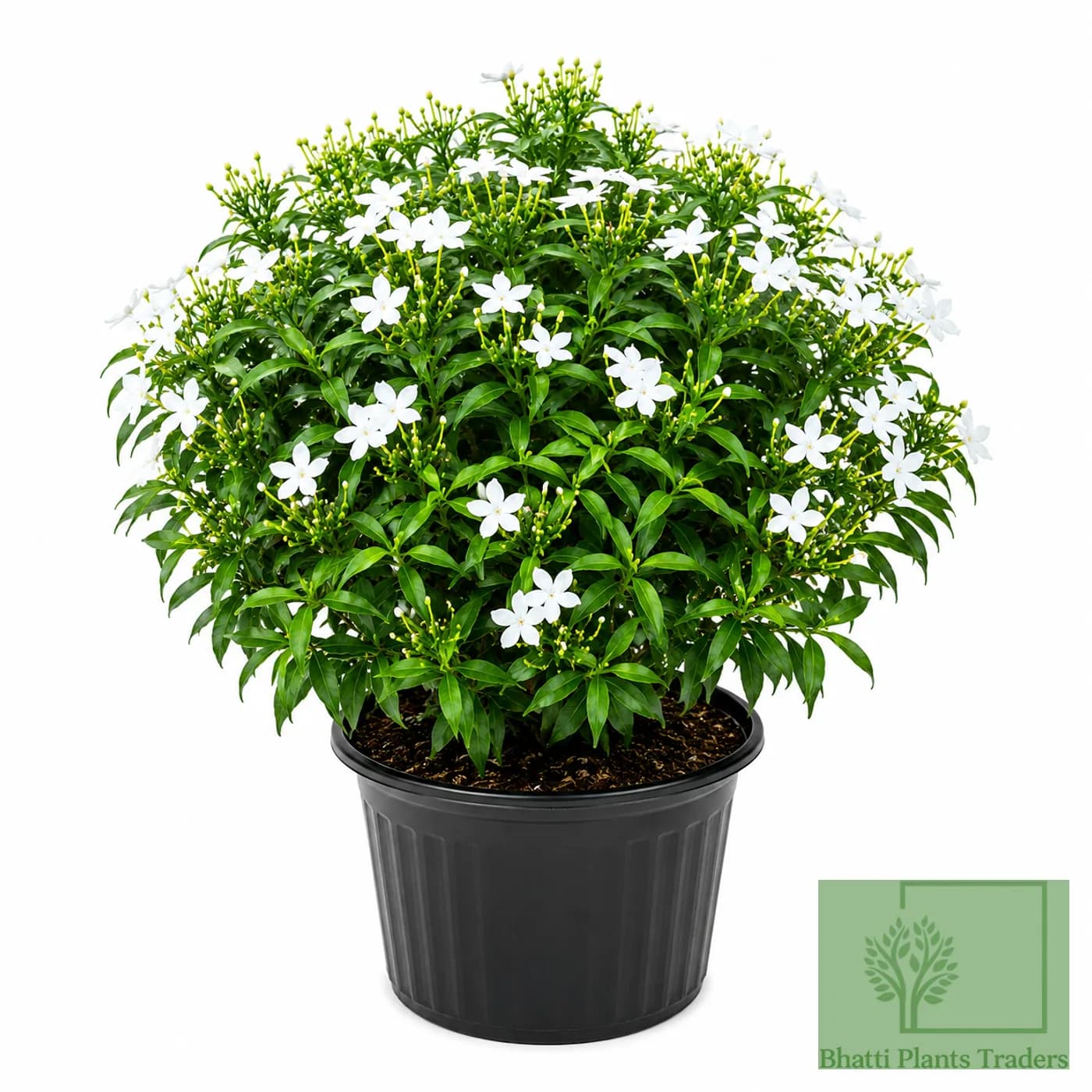
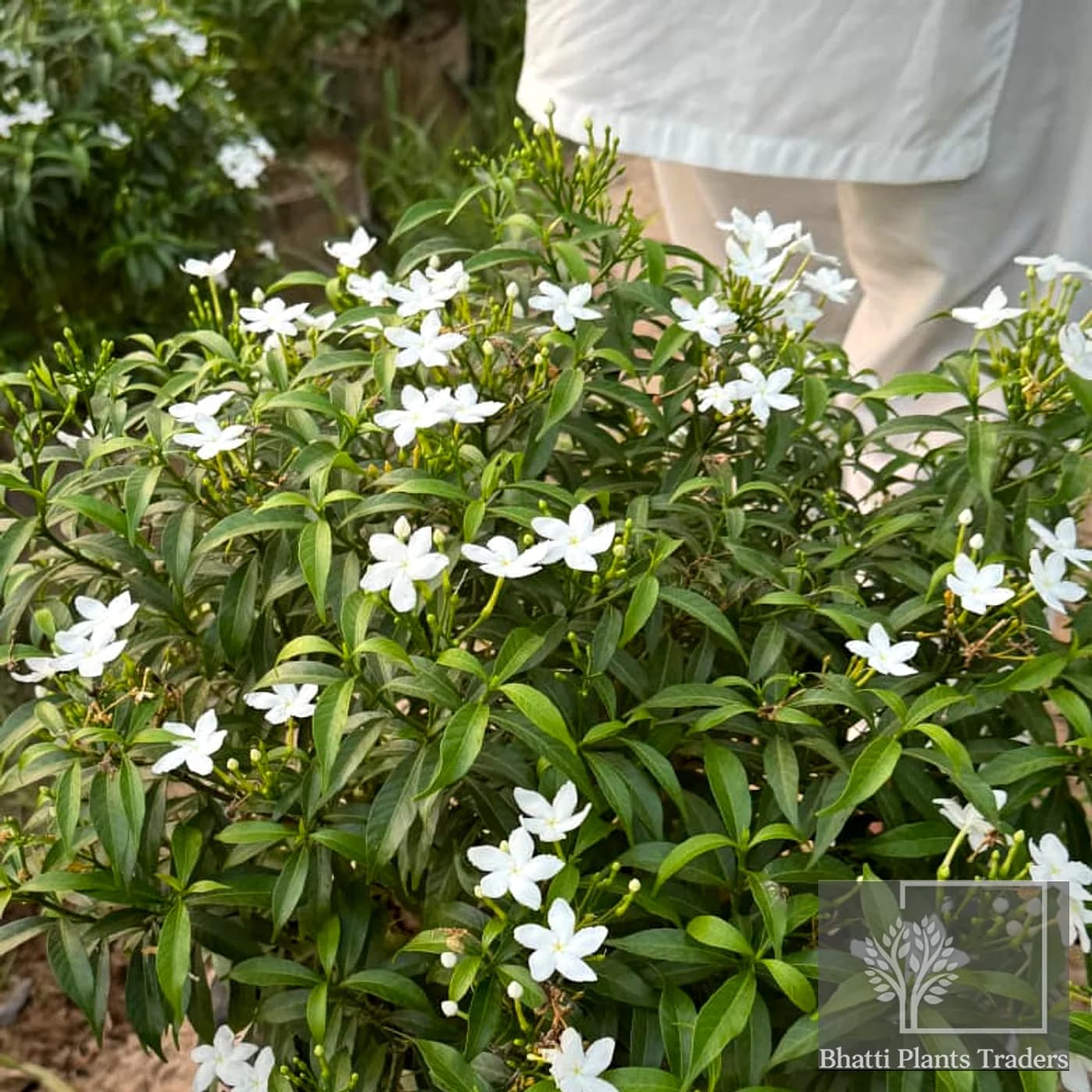
The white pinwheel flower that scents Pakistani courtyards all summer.
fromRs 500
Delivery by courier, bus cargo, railway goods or our own truck — cost depends on the plants and the method
0301 4098726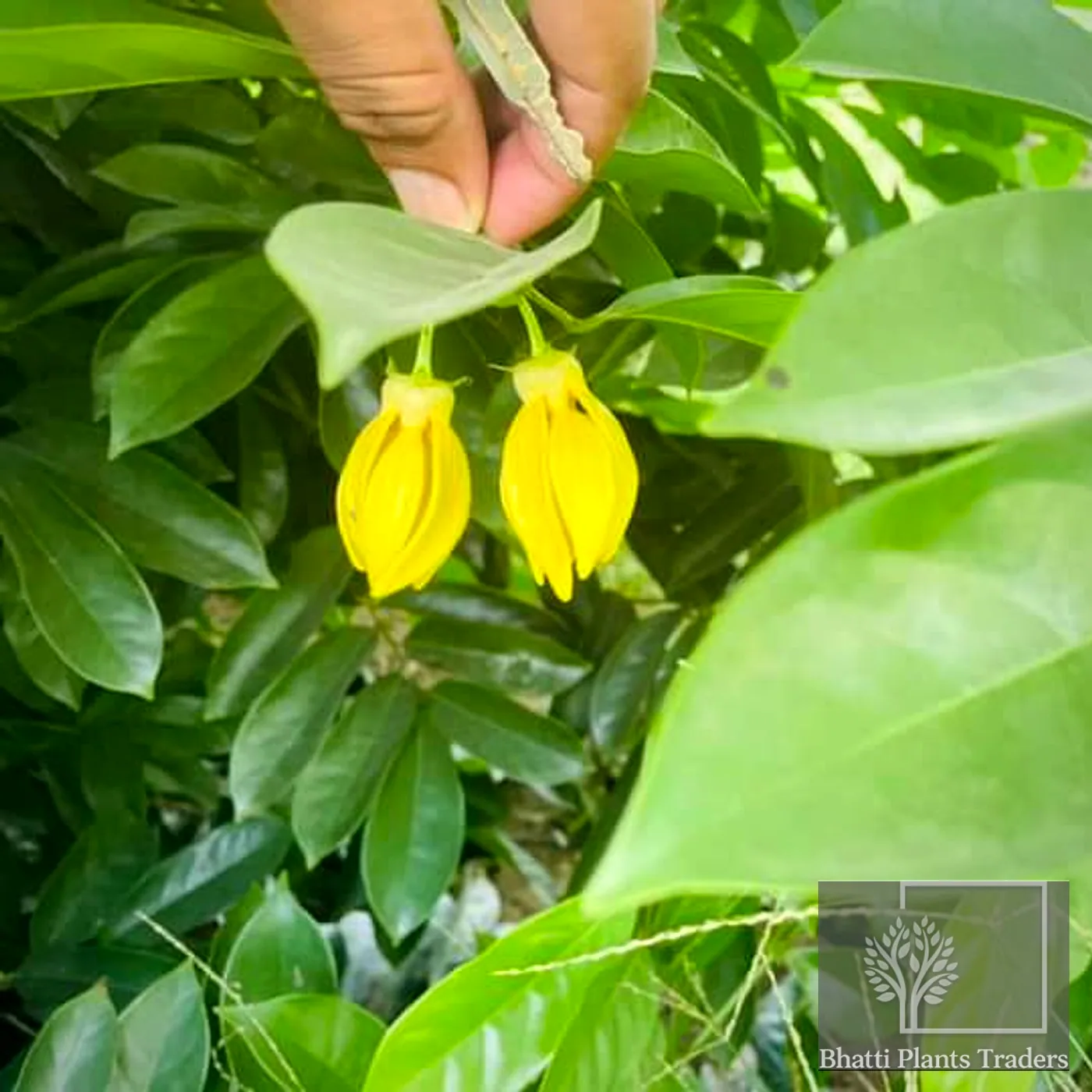
Photographs are of our actual stock, taken at the nursery. Plants are living things — expect small differences in shape and leaf count from the plant shown.
Flowering Plants
Artabotrys hexapetalus
Hari champa is grown for one reason and it is a very good one. The flowers are small, green ripening to yellow, and easy to miss entirely — but the scent is extraordinary, a rich ripe-fruit perfume that carries across a courtyard on a warm evening. A single branch in a bowl of water will scent a room overnight.
The plant is a large scrambling shrub that will climb if you give it something to hold, using hooked woody tendrils. Against a wall or over a gate it makes a dense evergreen cover; left alone it stays a loose shrub.
It flowers on new growth through the warm months, so a trim after each flush keeps it producing. Full sun to half shade, ordinary soil, and very little else.
Inclusive of pot and mix. Delivery Rs 350, free over Rs 5,000.
Packed by hand
Dispatched in 1–2 working days
7-day guarantee
Replaced or refunded if damaged
Grown by us
Never bought in and resold
Written for Pakistani conditions — long hot summers, dry winter air, and hard tap water. Follow this rather than advice written for a temperate climate.
Why it happens: Too little sun, or a nitrogen-heavy feed.
What to do: Move into full sun and switch to a high-phosphorus feed.
Why it happens: Irregular watering or a sudden move.
What to do: Water on a steady schedule and leave the plant in one position while it is budding.
Why it happens: Aphids or scale, and the mould that grows on their honeydew.
What to do: Spray with neem oil weekly for three weeks, covering the leaf undersides.
The white pinwheel flower that scents Pakistani courtyards all summer.