New arrival
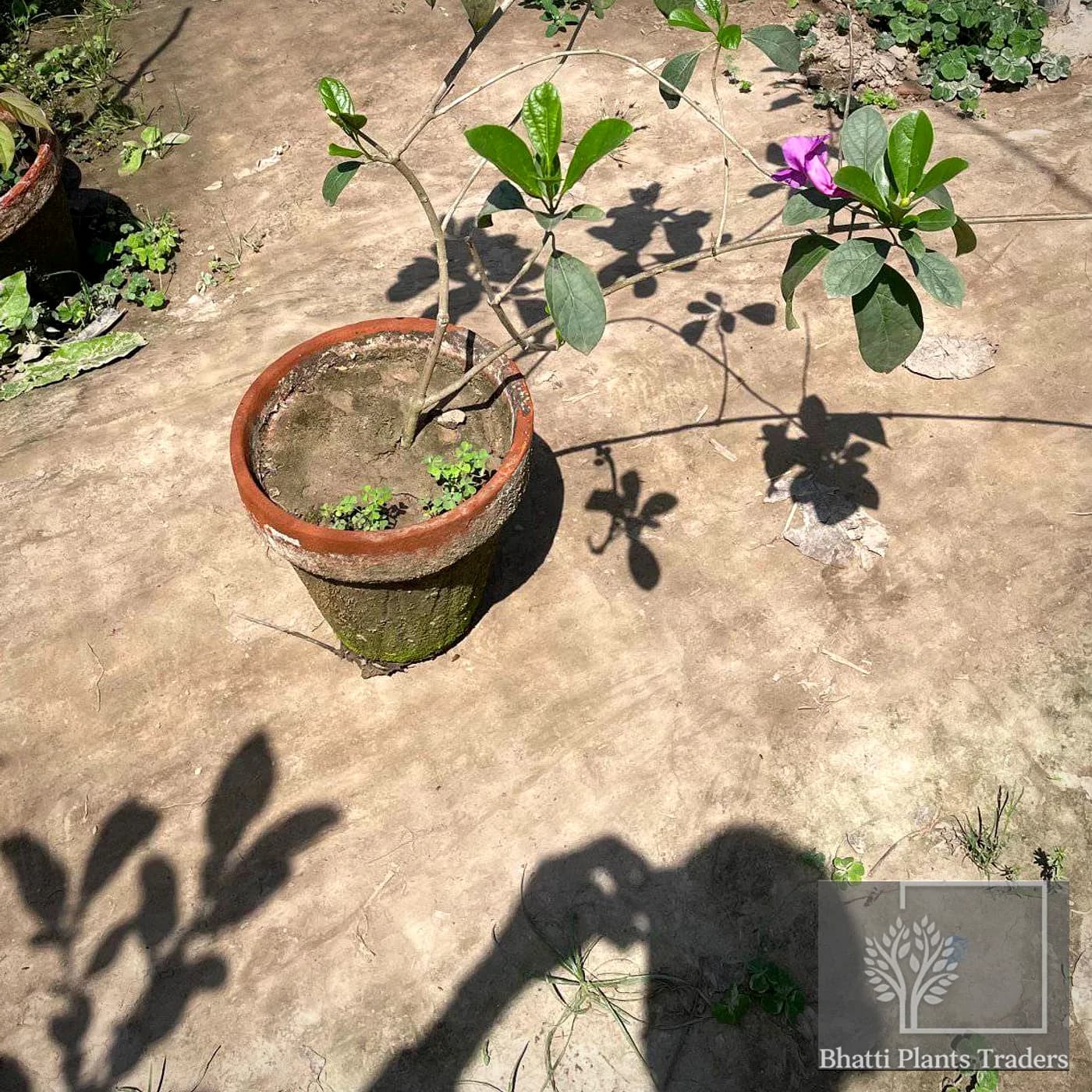
Photographs are of our actual stock, taken at the nursery. Plants are living things — expect small differences in shape and leaf count from the plant shown.
Outdoor Plants
Thunbergia Erecta (King’s Mantle)
Thunbergia erecta
King’s mantle produces rich violet-purple trumpet flowers with a bright yellow-gold throat, and it produces them almost continuously — there is rarely a month in the Pakistani plains when an established plant has nothing on it.
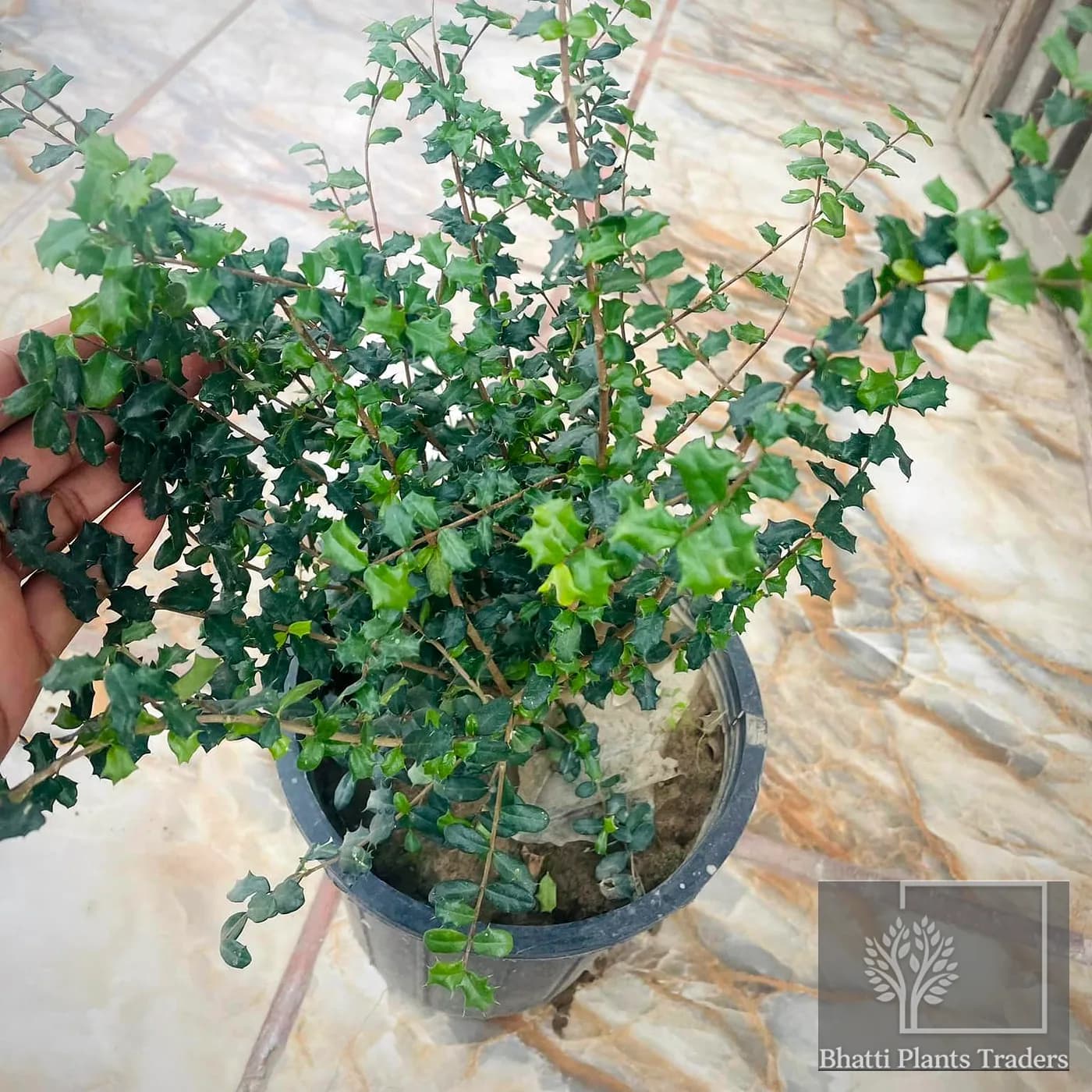
It makes a neat, dense, rounded shrub with small dark leaves, which means it works as an informal hedge as well as a specimen. Cut it back hard after the main flush and it comes back thicker.
- Flowers almost continuously in the plains
- Deep violet trumpets with a bright gold throat
- Dense rounded habit — works as an informal hedge
Rs 800for the 12 inch pot
Inclusive of pot and mix. Delivery Rs 350, free over Rs 5,000.
1
4.8(39 reviews) In stock, dispatched in 1–2 working days
Packed by hand
Dispatched in 1–2 working days
7-day guarantee
Replaced or refunded if damaged
Grown by us
Never bought in and resold
At a glance
- Mature size
- 1.2–1.8 m
- Growth rate
- Moderate to fast
- Difficulty
- Easy to keep
- Around pets
- Keep away from cats, dogs and small children
Full sunPartial shadeHedgeGarden
How to look after your Thunbergia Erecta (King’s Mantle)
Written for Pakistani conditions — long hot summers, dry winter air, and hard tap water. Follow this rather than advice written for a temperate climate.
- Light
- Full sun for the heaviest flowering — six hours or more. In partial shade you get foliage and few blooms.
- Water
- Deeply twice a week in summer, weekly in winter. Let the top few centimetres dry between waterings.
- Humidity
- Ambient outdoor humidity is fine.
- Soil
- Well-draining garden soil or a loam-based container mix enriched with compost.
- Feeding
- High-phosphorus feed every 3 weeks through the flowering season to keep buds coming.
- Temperature
- 15–45°C. Most are heat-loving; protect from frost.
If something goes wrong
Healthy leaves but no flowers
Why it happens: Too little sun, or a nitrogen-heavy feed.
What to do: Move into full sun and switch to a high-phosphorus feed.
Buds forming then dropping before opening
Why it happens: Irregular watering or a sudden move.
What to do: Water on a steady schedule and leave the plant in one position while it is budding.
Sticky leaves and black sooty film
Why it happens: Aphids or scale, and the mould that grows on their honeydew.
What to do: Spray with neem oil weekly for three weeks, covering the leaf undersides.
You might also like
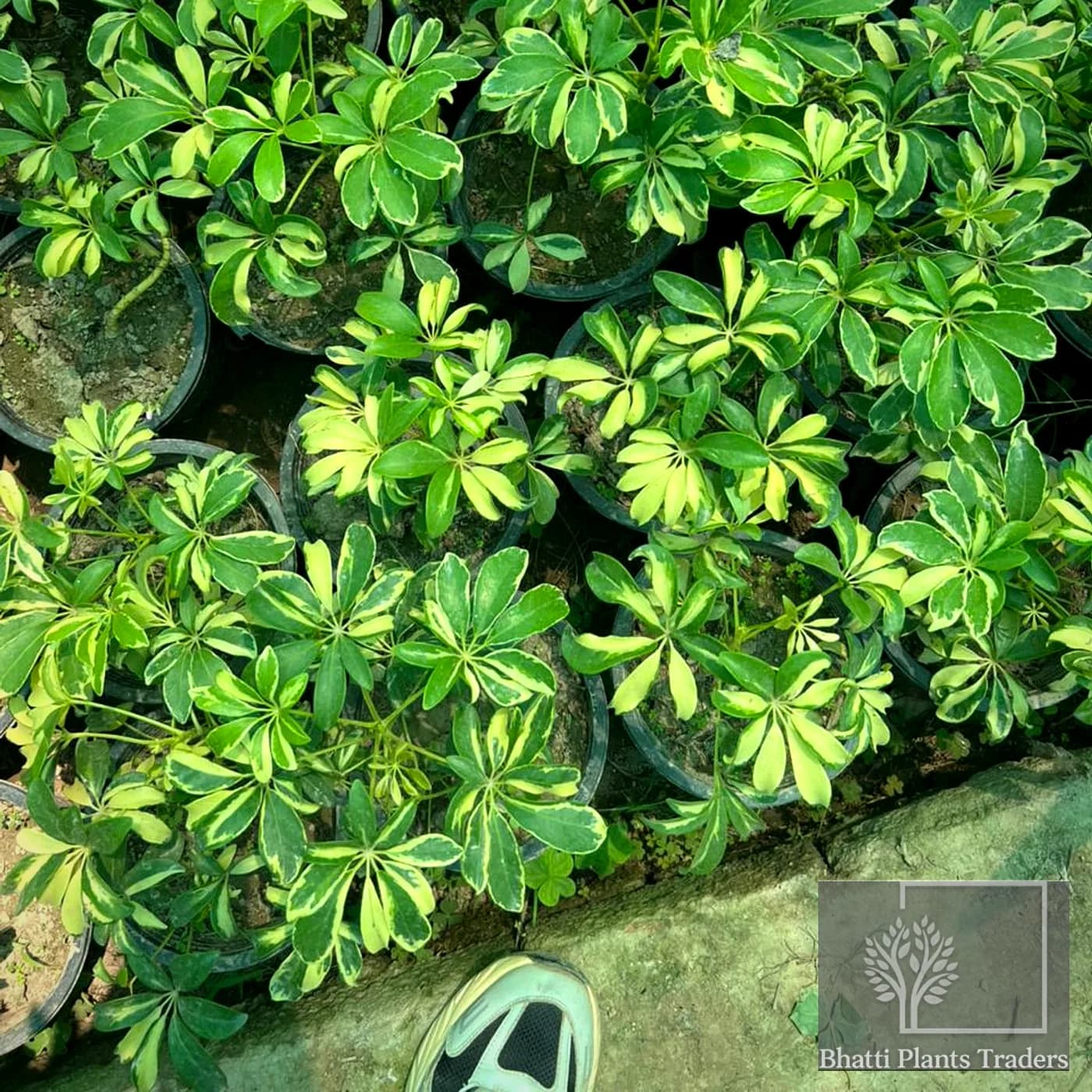
Pink frilled flowers followed by edible scarlet cherries.
fromRs 1,000
New arrival