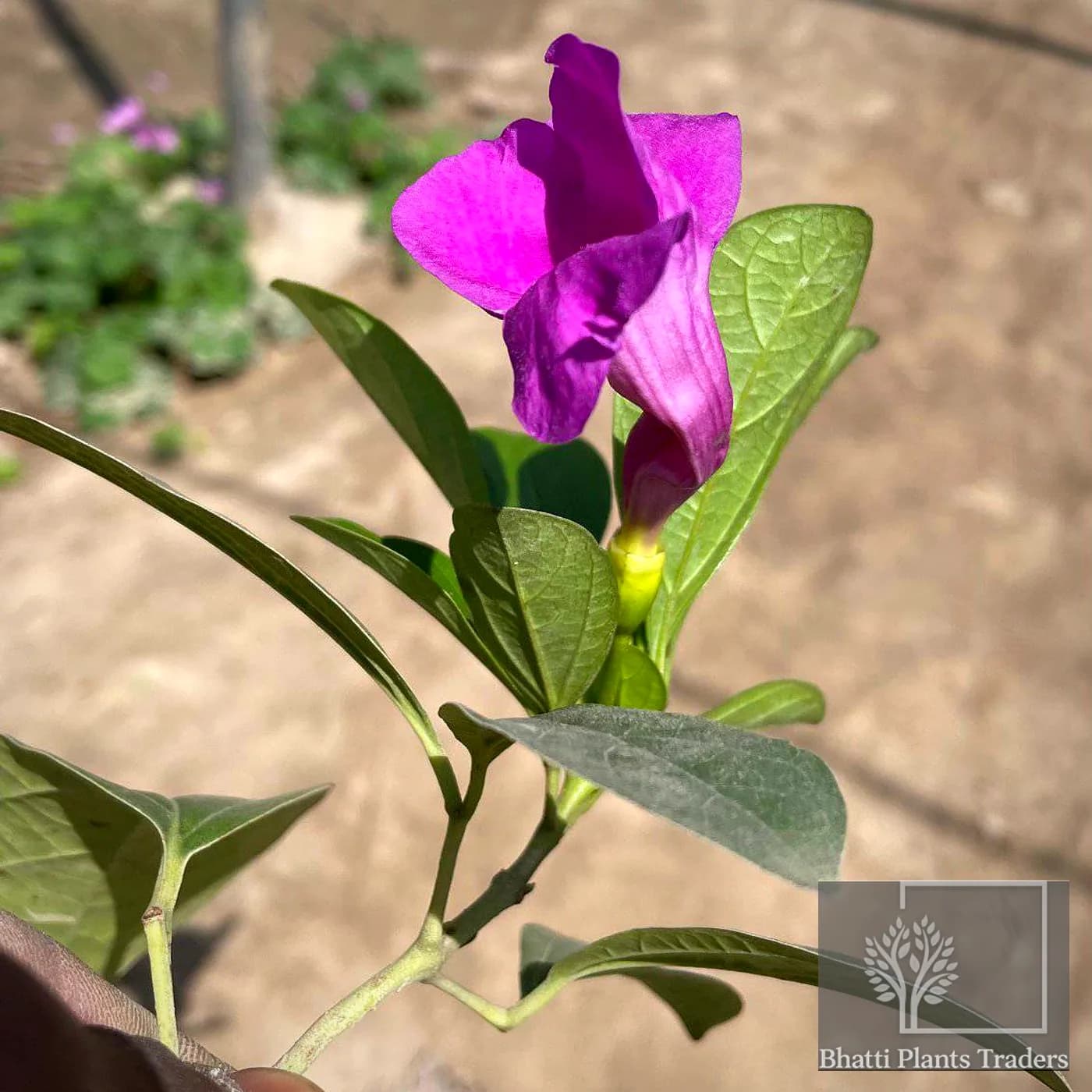
Deep violet trumpets with gold throats, almost year-round.
fromRs 800
Delivery by courier, bus cargo, railway goods or our own truck — cost depends on the plants and the method
0301 4098726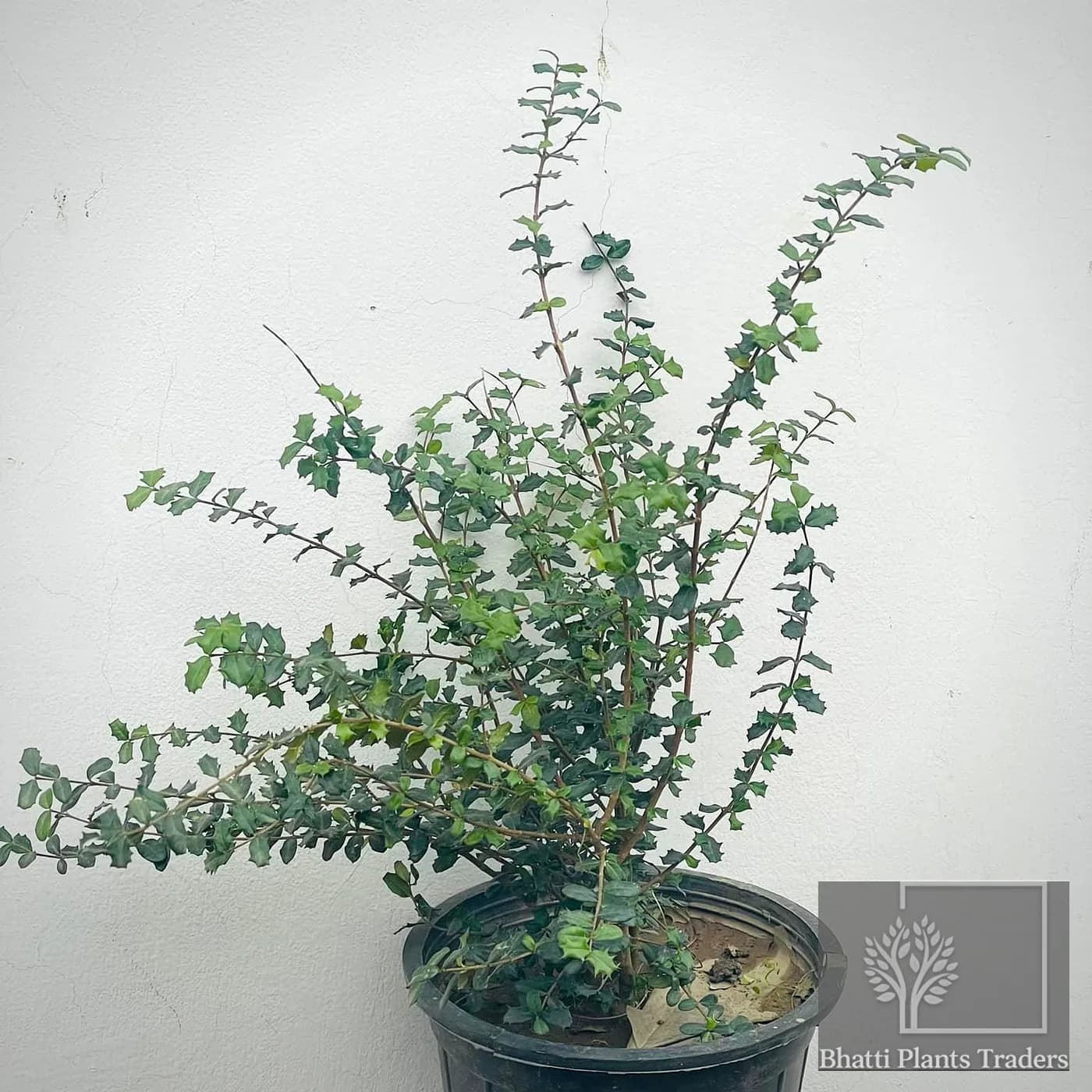
Photographs are of our actual stock, taken at the nursery. Plants are living things — expect small differences in shape and leaf count from the plant shown.
Outdoor Plants
Malpighia glabra
Malpighia does two jobs at once. Small pink flowers with crimped, almost torn-looking petals appear in flushes through the warm months, and each is followed by a bright scarlet fruit the size of a cherry — genuinely edible, tart, and extraordinarily high in vitamin C.
It also clips well into a dense hedge, which makes it one of the more useful plants in a small garden: colour, fruit and structure from a single shrub.
Inclusive of pot and mix. Delivery Rs 350, free over Rs 5,000.
Packed by hand
Dispatched in 1–2 working days
7-day guarantee
Replaced or refunded if damaged
Grown by us
Never bought in and resold
Written for Pakistani conditions — long hot summers, dry winter air, and hard tap water. Follow this rather than advice written for a temperate climate.
Why it happens: Too little sun, or a nitrogen-heavy feed.
What to do: Move into full sun and switch to a high-phosphorus feed.
Why it happens: Irregular watering or a sudden move.
What to do: Water on a steady schedule and leave the plant in one position while it is budding.
Why it happens: Aphids or scale, and the mould that grows on their honeydew.
What to do: Spray with neem oil weekly for three weeks, covering the leaf undersides.
Deep violet trumpets with gold throats, almost year-round.