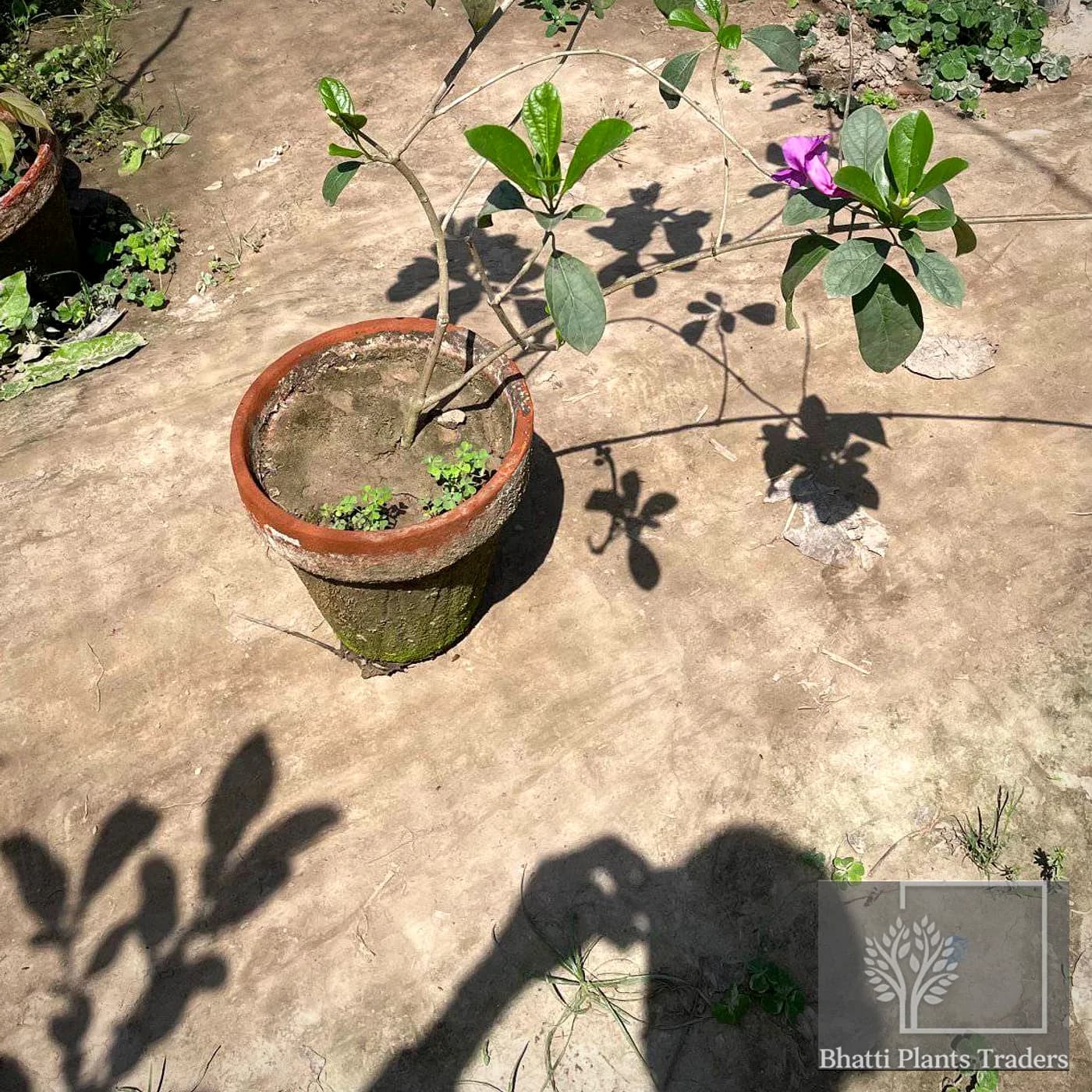
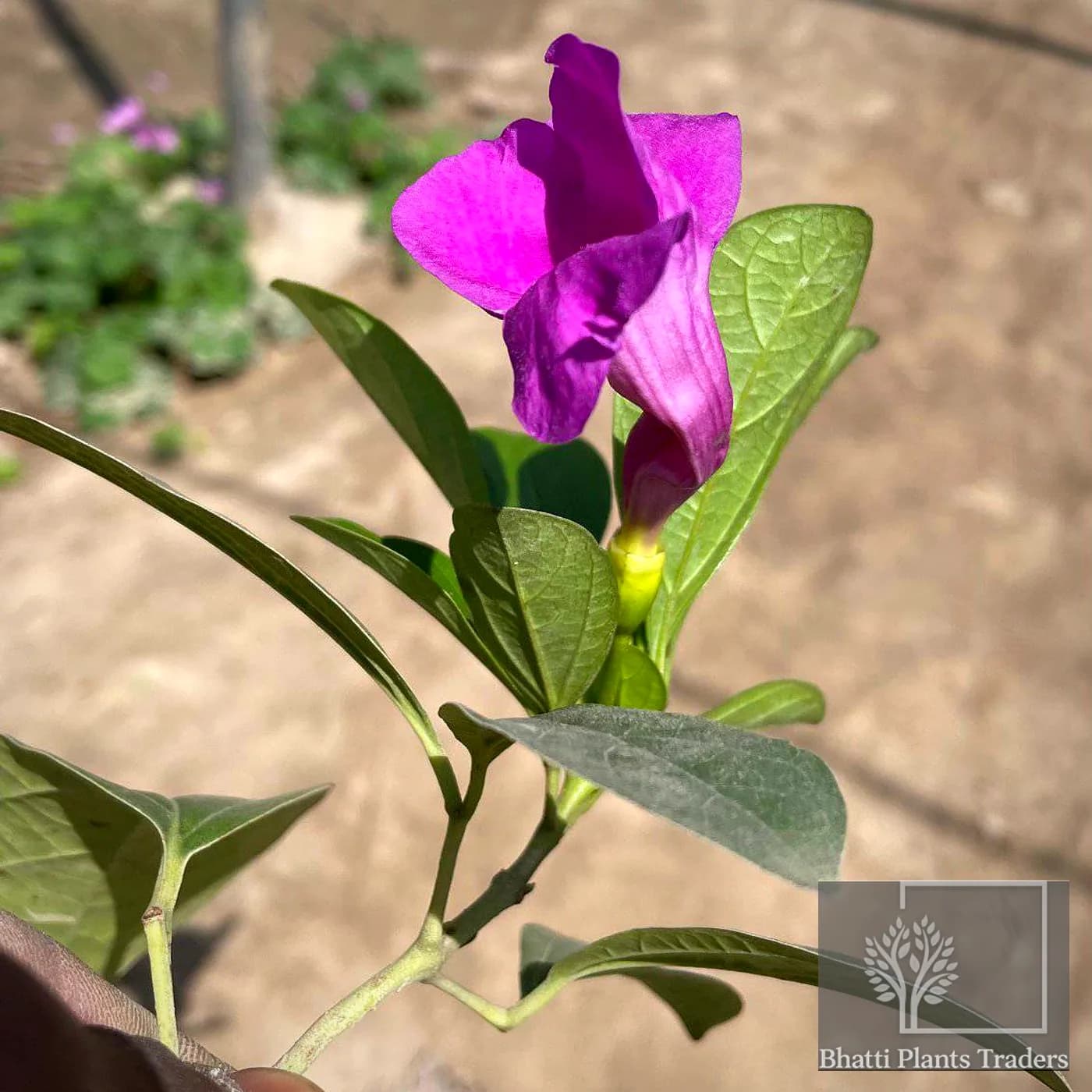
Deep violet trumpets with gold throats, almost year-round.
fromRs 800
Delivery by courier, bus cargo, railway goods or our own truck — cost depends on the plants and the method
0301 4098726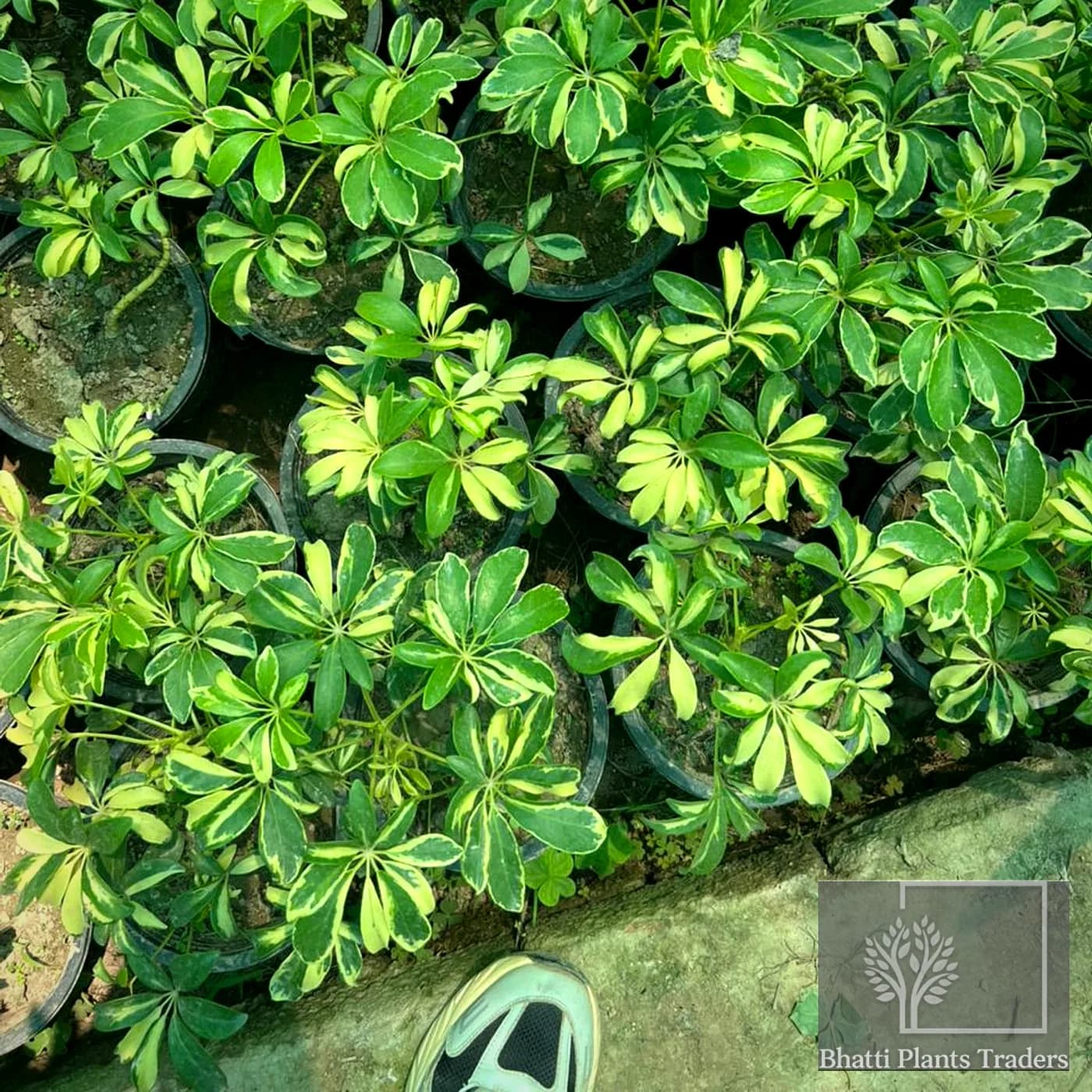 New arrival
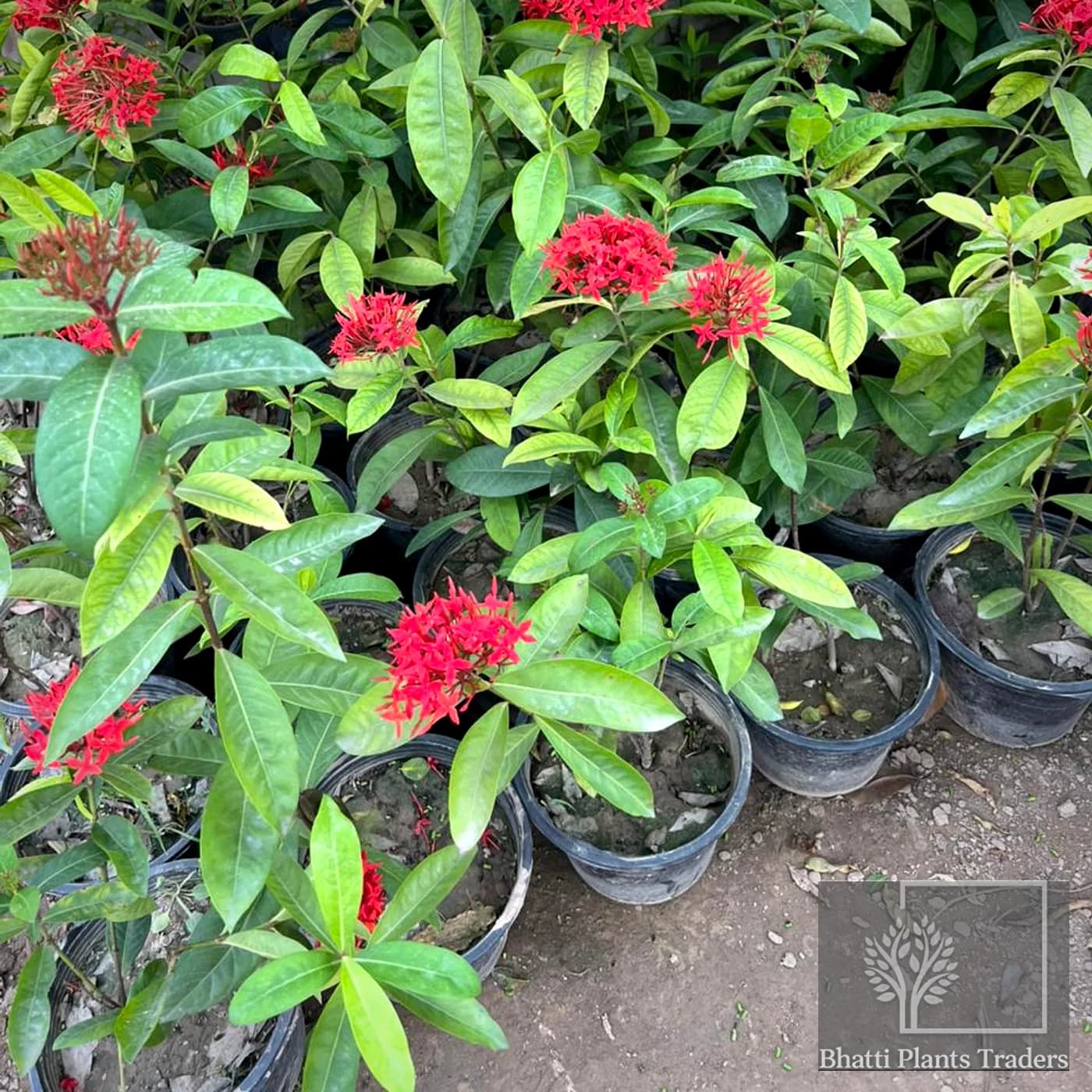
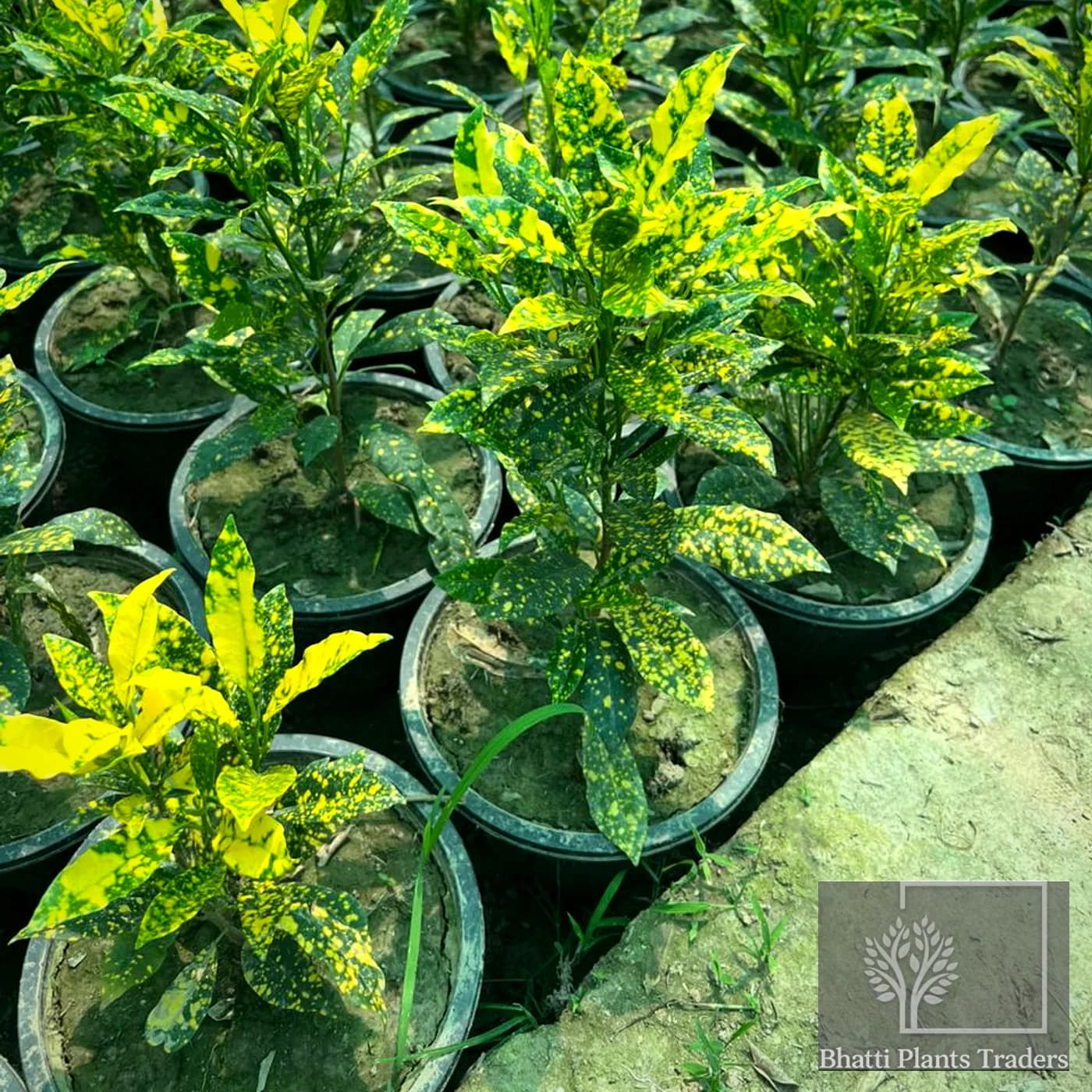
Photographs are of our actual stock, taken at the nursery. Plants are living things — expect small differences in shape and leaf count from the plant shown.
Outdoor Plants
Schefflera arboricola
Each leaf is a whorl of glossy leaflets radiating from one stalk like the ribs of an umbrella, and a mature plant carries hundreds of them. It builds into a dense, rounded shrub that takes hard clipping, which makes it one of the most useful informal hedging plants for a courtyard.
It is equally happy in a large pot indoors in bright light, which is unusual for something this tough outdoors. Cut the leader out early if you want it bushy rather than upright.
Inclusive of pot and mix. Delivery Rs 350, free over Rs 5,000.
Packed by hand
Dispatched in 1–2 working days
7-day guarantee
Replaced or refunded if damaged
Grown by us
Never bought in and resold
Written for Pakistani conditions — long hot summers, dry winter air, and hard tap water. Follow this rather than advice written for a temperate climate.
Why it happens: Shock from the change in light and humidity.
What to do: Normal. Keep conditions steady and do not repot for at least a month. New growth follows.
Why it happens: Overwatering or root damage.
What to do: Check that water is draining freely and let the mix dry further between waterings.
Why it happens: Phototropism.
What to do: Turn the pot a quarter-turn every fortnight.
Deep violet trumpets with gold throats, almost year-round.