 Rare
RarePhotographs are of our actual stock, taken at the nursery. Plants are living things — expect small differences in shape and leaf count from the plant shown.
Vines & Creepers
Jade Vine
Strongylodon macrobotrys
The jade vine produces a colour that does not otherwise exist in flowering plants: a luminous blue-green turquoise, in claw-shaped blooms hanging in cascades up to a metre long. It is endangered in its native Philippine forests and grown by very few nurseries anywhere.
It is demanding. It needs a strong overhead structure to hang from, high humidity, warmth, and several years before it flowers. We sell it to people who understand that and want it anyway.
- A turquoise that exists in almost no other flower
- Cascading flower racemes up to a metre long
- Demanding: needs overhead support, humidity, warmth and patience
Rs 11,050
Inclusive of pot and mix. Delivery free on this size.
1
4.9(9 reviews)Only 4 left
Packed by hand
Dispatched in 1–2 working days
7-day guarantee
Replaced or refunded if damaged
Grown by us
Never bought in and resold
At a glance
- Mature size
- 10–18 m on a pergola
- Growth rate
- Fast once established
- Difficulty
- Expert to keep
- Around pets
- Keep away from cats, dogs and small children
Full sunPergolaHumid courtyard
How to look after your Jade Vine
Written for Pakistani conditions — long hot summers, dry winter air, and hard tap water. Follow this rather than advice written for a temperate climate.
- Light
- Full sun to partial shade depending on species — flowering vines want sun, foliage vines tolerate shade.
- Water
- Deeply twice a week while establishing, then weekly. Established vines are notably drought-tolerant.
- Humidity
- Ambient.
- Soil
- Well-draining garden soil. Add compost at planting.
- Feeding
- Balanced feed monthly through the growing season; switch to high-potassium before the flowering flush.
- Temperature
- 15–45°C.
If something goes wrong
Growing sideways instead of climbing
Why it happens: Nothing to grip.
What to do: Install wires, mesh or a trellis and tie in the leading shoots by hand until they take hold.
Flowering only at the very top
Why it happens: Bare, unpruned lower growth.
What to do: Prune after flowering to encourage branching low down.
You might also like
Rare
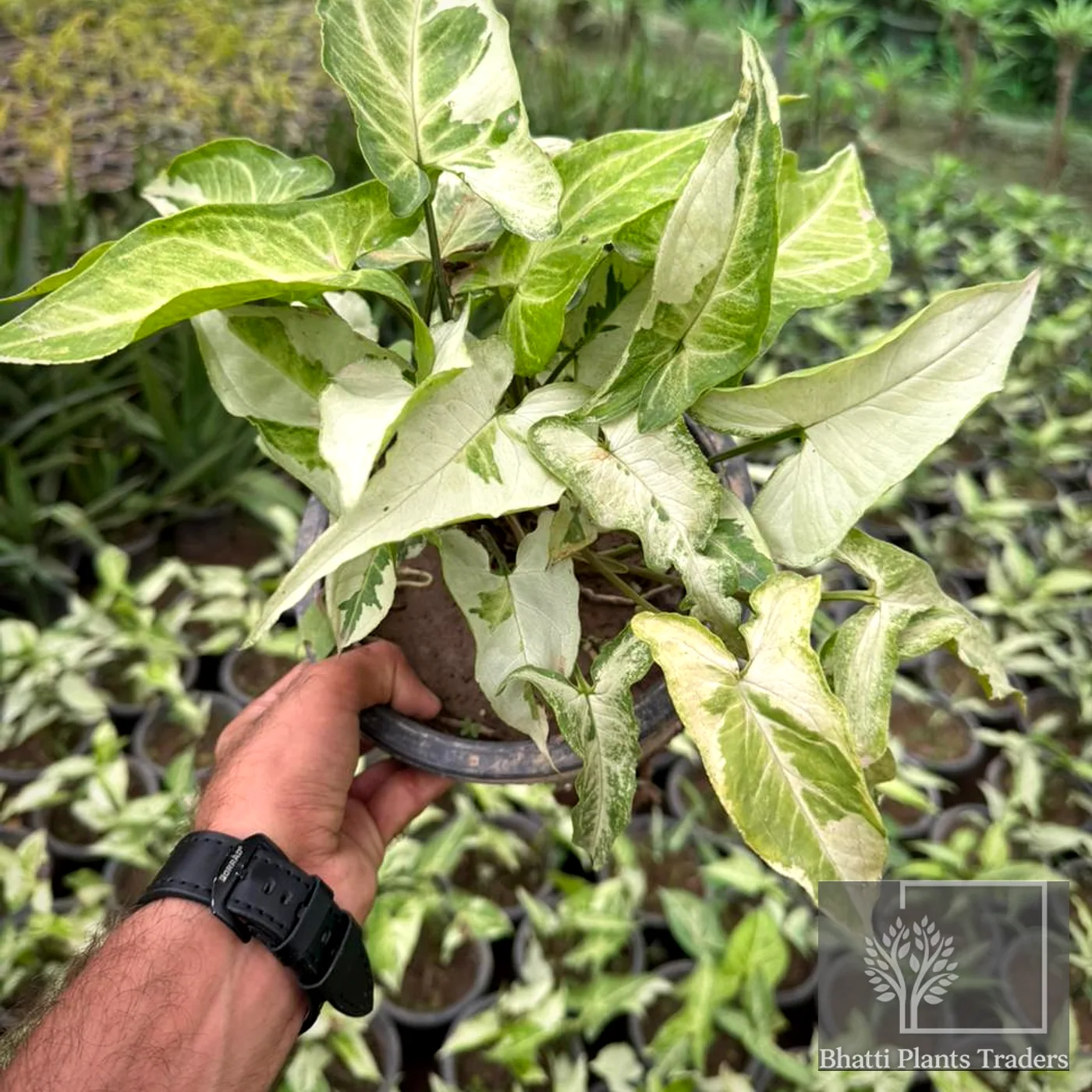
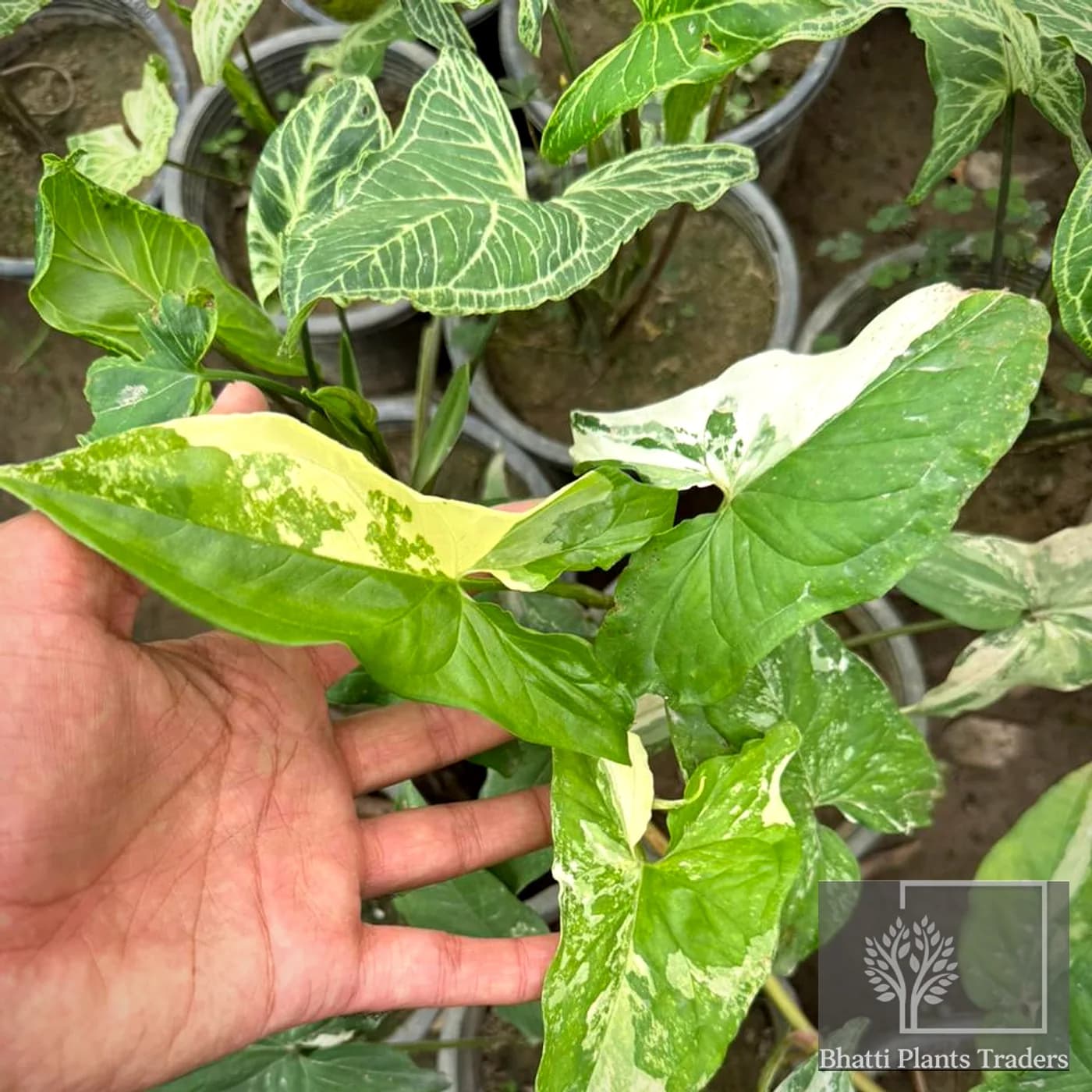
Snow-white sectoral variegation — a genuine collector aroid.
fromRs 8,000
Rare
Collector