Bestseller
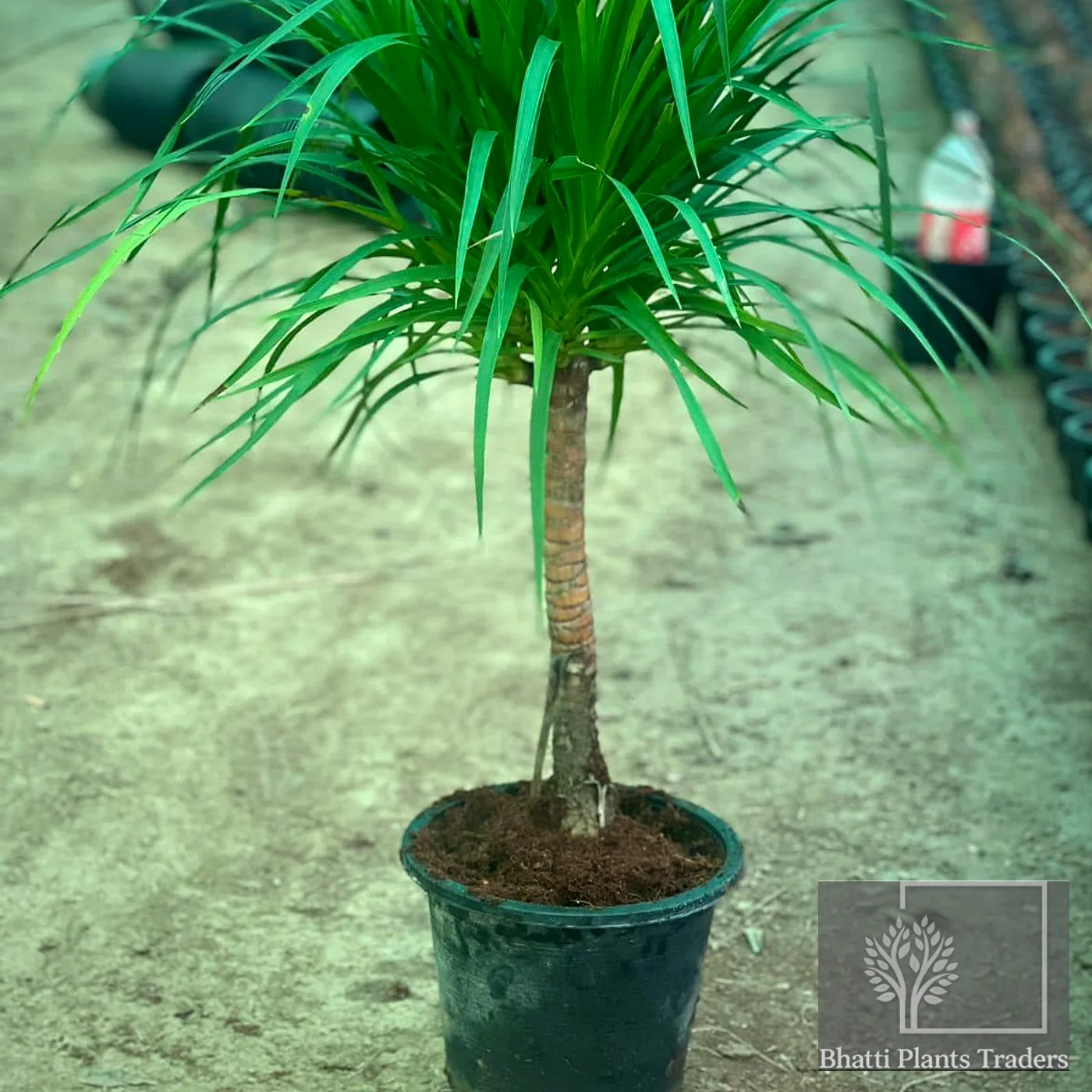
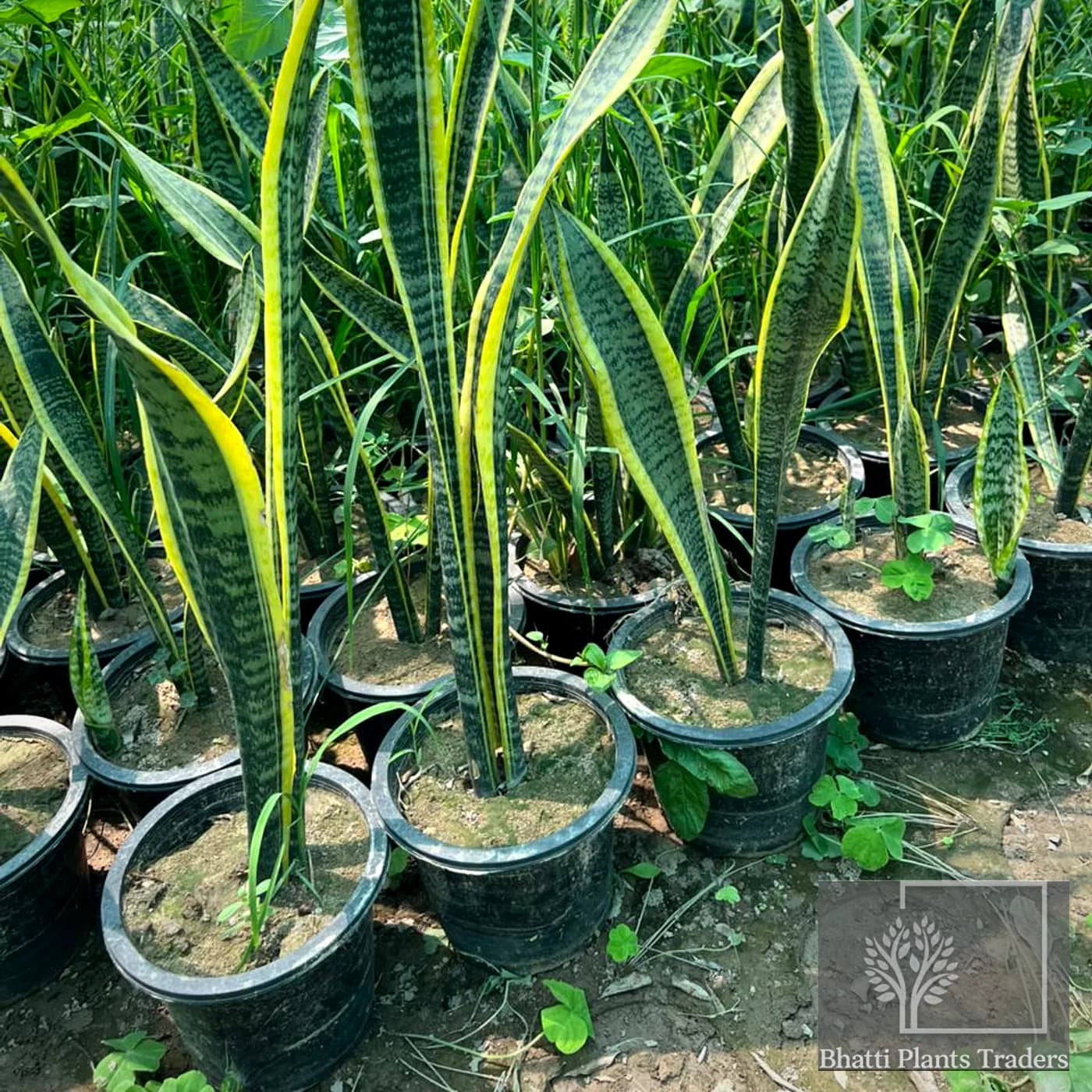
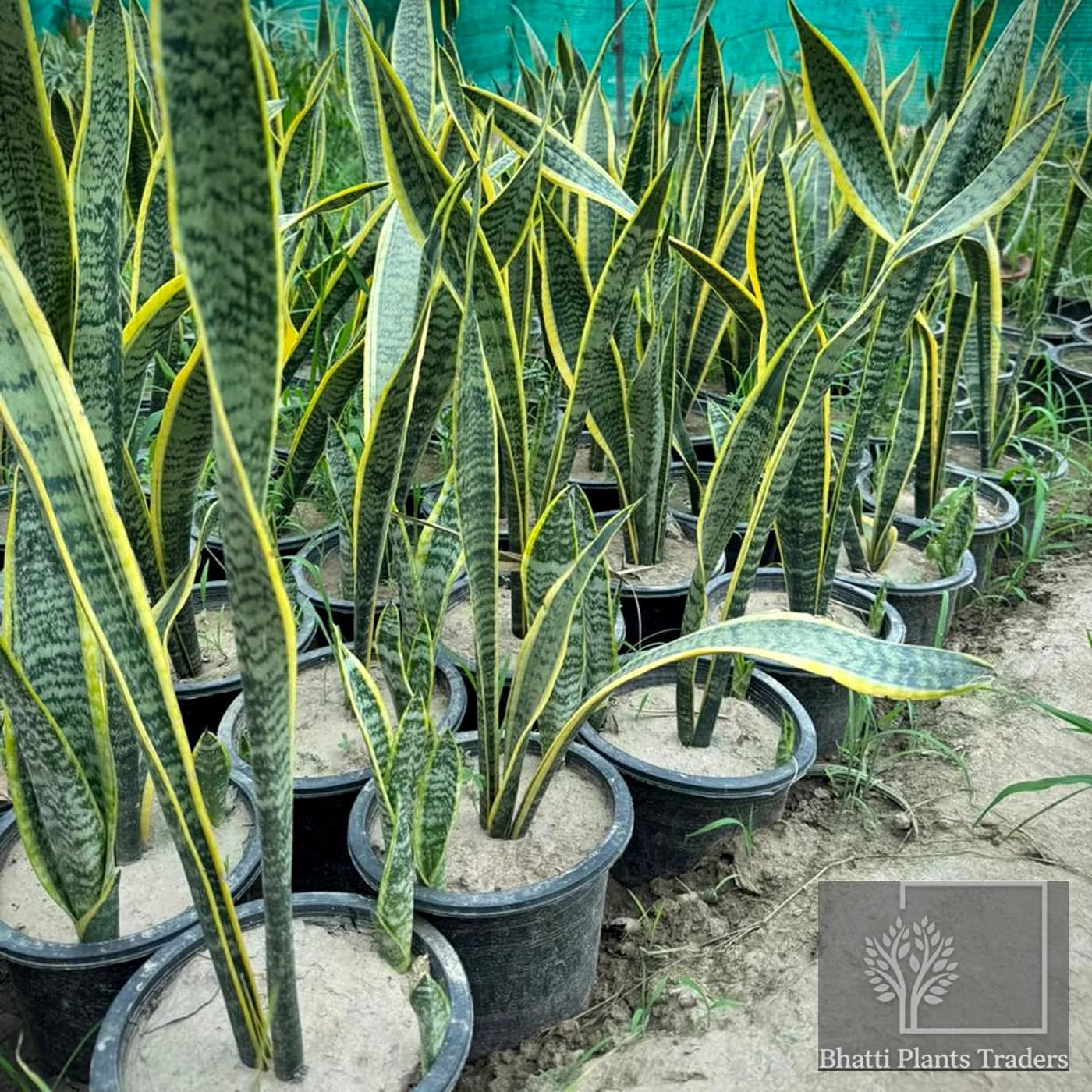
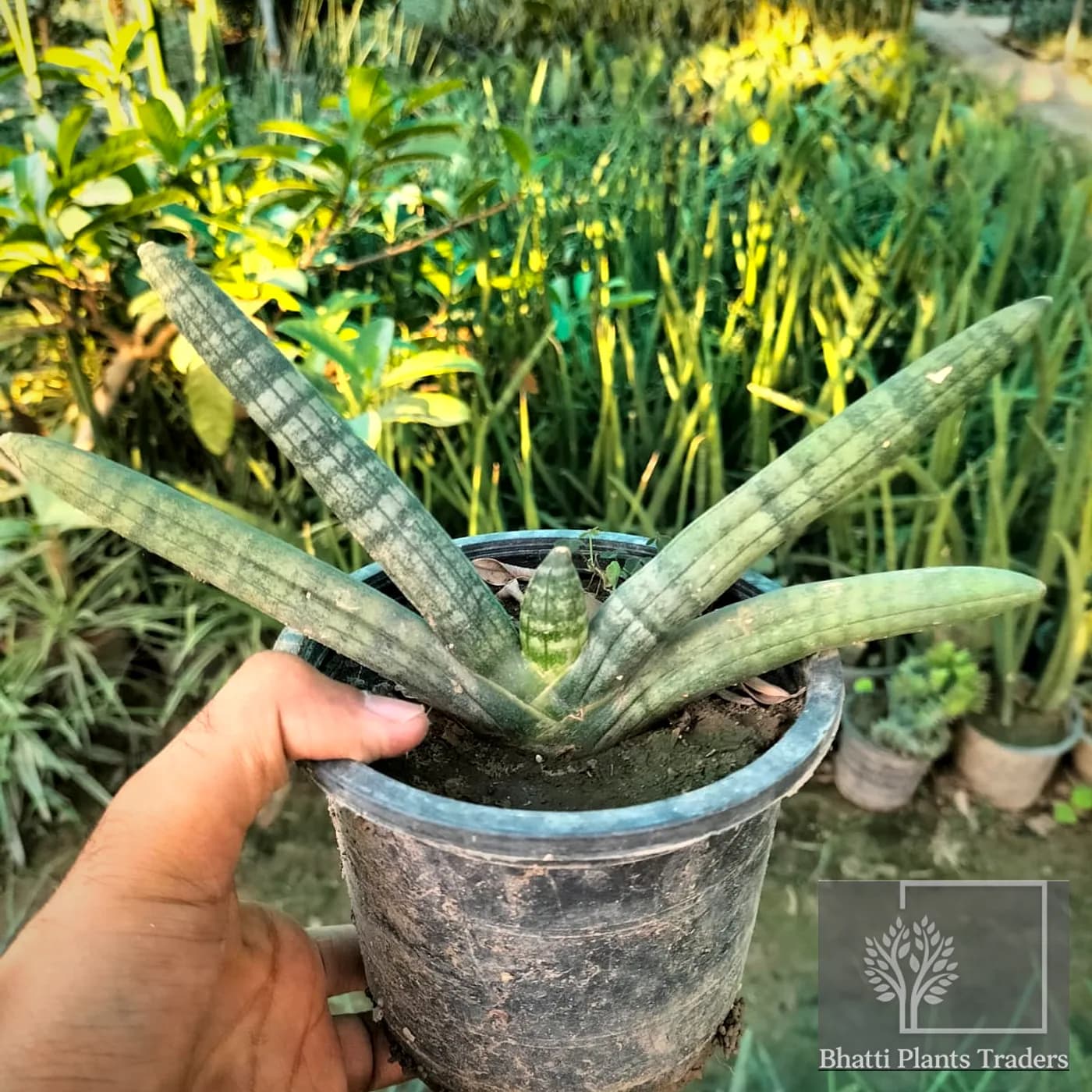
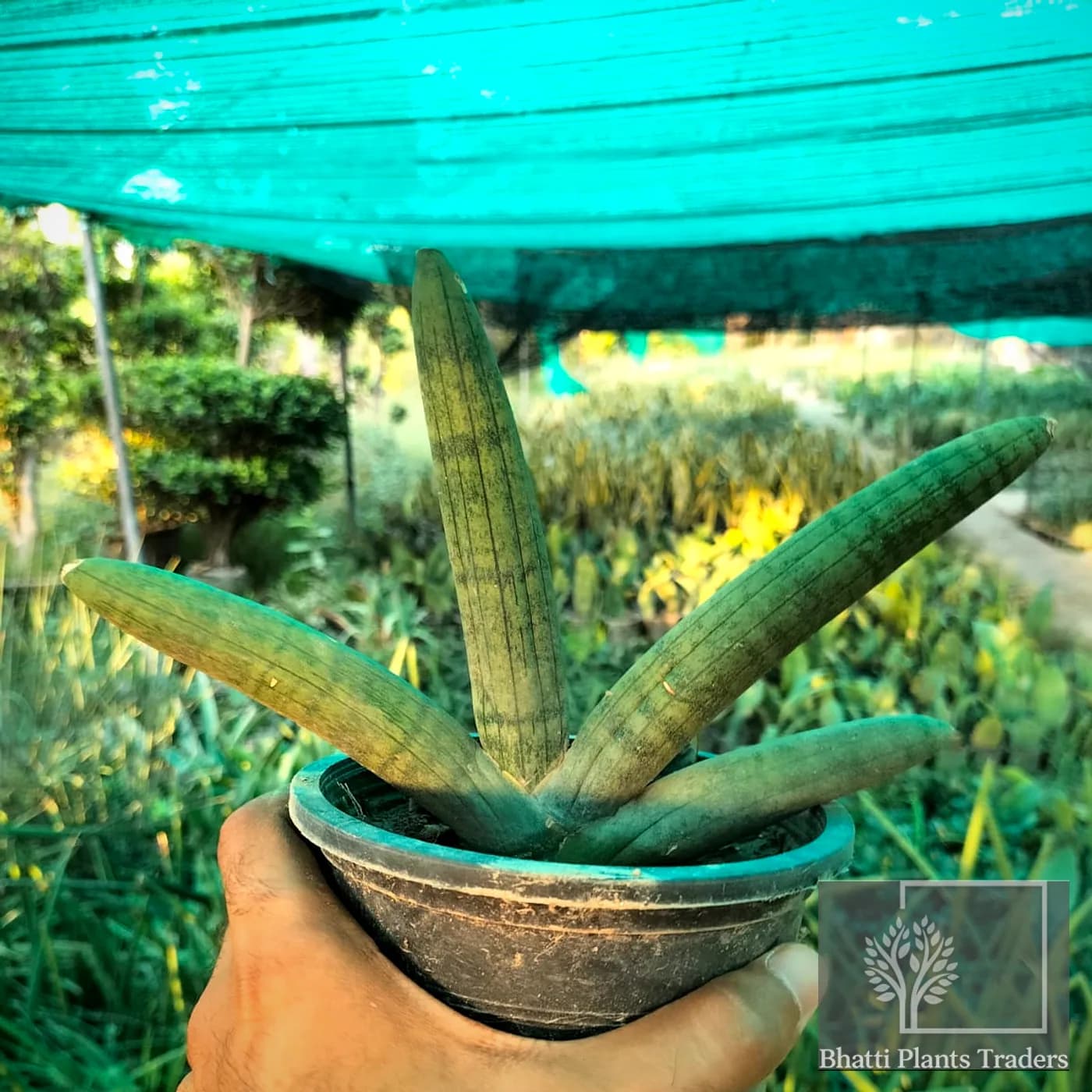
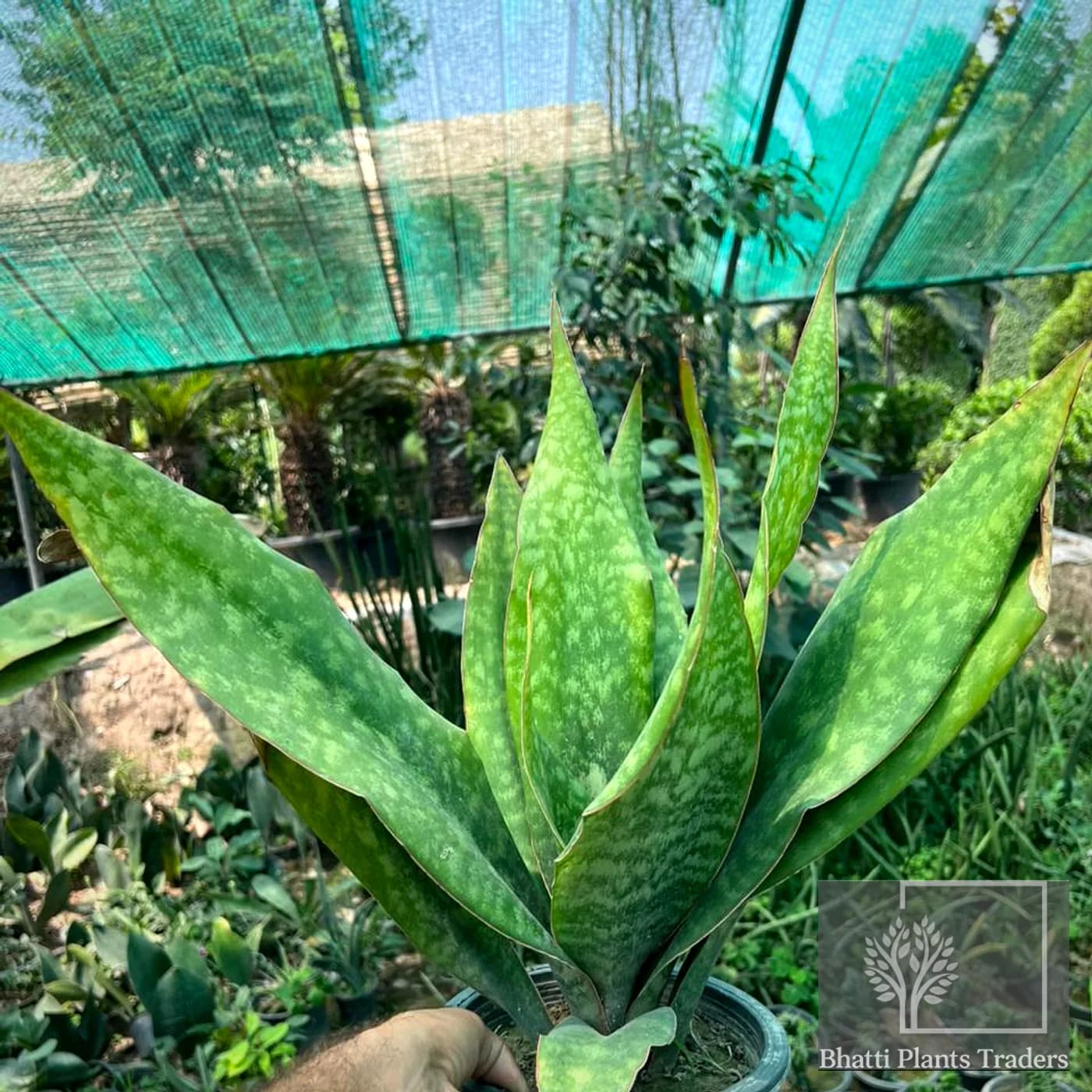
Photographs are of our actual stock, taken at the nursery. Plants are living things — expect small differences in shape and leaf count from the plant shown.
Indoor Plants
Dracaena Marginata
Dracaena marginata
Marginata is the dragon tree — narrow, arching, red-margined leaves held in tufts at the ends of slim grey canes. The bare stems and the tufted tops give it a strong, graphic silhouette that suits modern interiors particularly well.
It is drought tolerant, tolerant of medium light, and unusually long-lived indoors. Plants twenty years old are common. Cut a cane back at any height and it branches from the cut, so you can shape it over time.
- Graphic silhouette — bare canes with tufted, red-edged tops
- Very long-lived indoors; twenty-year-old plants are normal
- Cut any cane to branch it and control the shape
Rs 2,000for the 12 inch pot
Inclusive of pot and mix. Delivery Rs 350, free over Rs 5,000.
1
4.7(51 reviews) In stock, dispatched in 1–2 working days
Packed by hand
Dispatched in 1–2 working days
7-day guarantee
Replaced or refunded if damaged
Grown by us
Never bought in and resold
At a glance
- Mature size
- 1.5–2.5 m indoors
- Growth rate
- Slow to moderate
- Difficulty
- Easy to keep
- Around pets
- Keep away from cats, dogs and small children
Bright indirect lightMedium lightFloor plantAir purifying
How to look after your Dracaena Marginata
Written for Pakistani conditions — long hot summers, dry winter air, and hard tap water. Follow this rather than advice written for a temperate climate.
- Light
- Bright indirect light. Tolerates medium light, though variegated forms lose contrast in shade.
- Water
- When the top 5 cm is dry, roughly every 10–14 days. Sensitive to fluoride — filtered or rested water is better.
- Humidity
- Moderate. Appreciates a boost in dry winter air.
- Soil
- Well-draining potting mix with perlite.
- Feeding
- Monthly at half strength, spring through summer.
- Temperature
- 18–30°C. Keep above 13°C.
If something goes wrong
Brown tips with a yellow halo
Why it happens: Fluoride or salts in tap water.
What to do: Use filtered water and flush the pot thoroughly every few months.
Bare, leggy stem
Why it happens: Natural habit with age, accelerated by low light.
What to do: Cut the cane back — it reshoots below the cut, and the removed top roots easily in water.
You might also like
Bestseller
Bestseller