Climate5 min read
Winter care: what to stop doing between November and February
Most winter plant losses are caused by carrying on with summer habits. The season is mostly about restraint.
Winter in northern Pakistan is not severe by global standards, but it is more than enough to push most tropical plants into dormancy — and a dormant plant treated like a growing one is a plant in trouble.
Almost all winter care is subtraction. Less water, no fertiliser, no repotting, no propagation. The plants are not doing much, and neither should you.
Cut watering hard
A plant that needed water twice a week in June may need it once a fortnight in January. Growth has slowed or stopped, evaporation has dropped sharply, and the roots simply are not taking up water at the summer rate.
Cacti and succulents should get nothing at all from mid-November to late February. Water on a cold, dormant cactus is the single most common way people kill them, and the rot is usually not visible until it is too late.
Stop feeding entirely
Fertiliser applied to a plant that is not growing is not taken up. It accumulates in the soil as salt, and it burns the roots. Stop feeding at the end of October and do not start again until you see new growth in March.
Move plants off cold glass and cold floors
The air immediately against a window at 3am in January is far colder than the room, and a leaf resting against the glass can suffer cold damage overnight. Pull plants back 30 cm from windows.
Cold marble and tile floors chill root balls from below. Stand pots on a mat, a wooden board or a piece of cork — it makes a genuine difference to root temperature.
Expect dormancy, and do not panic about it
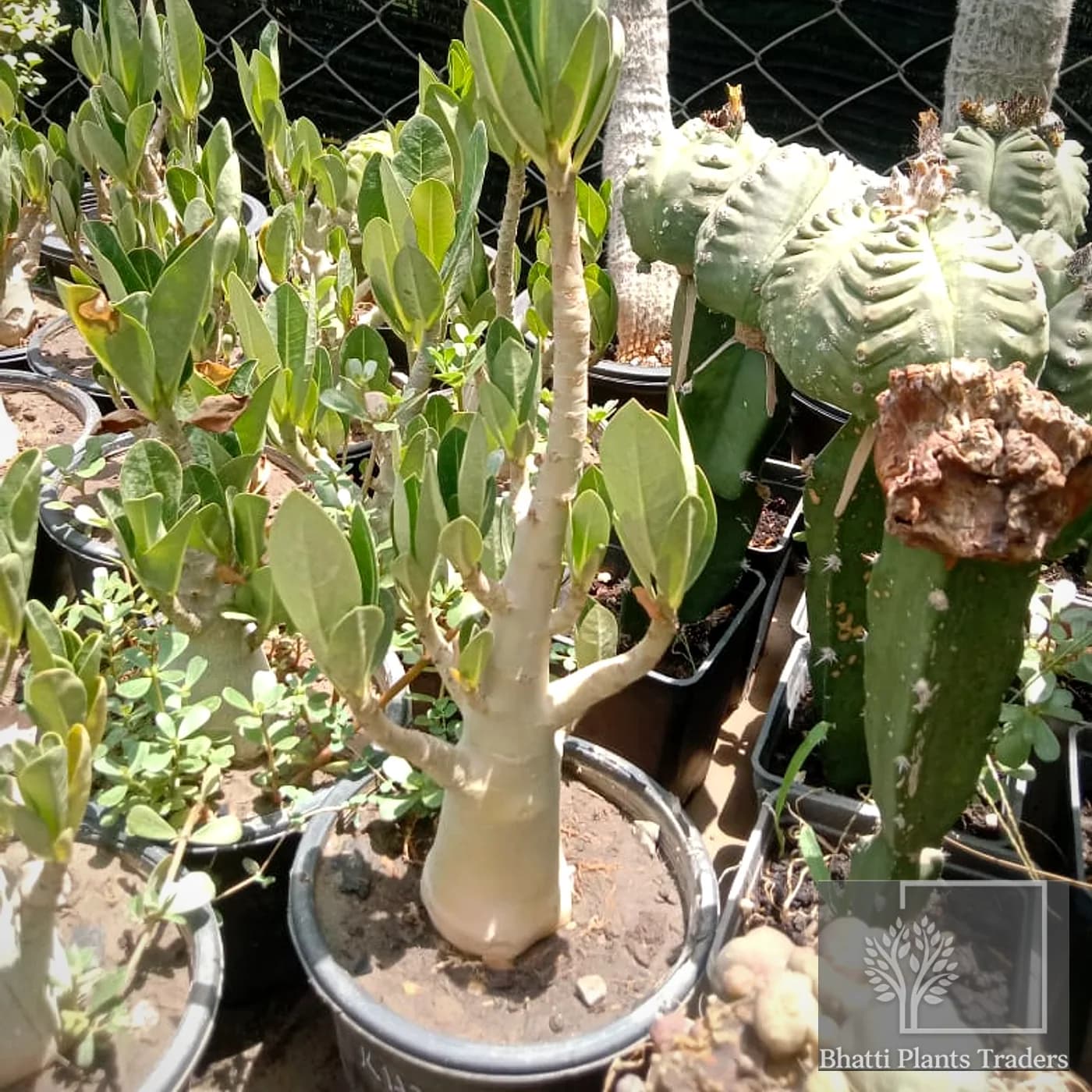
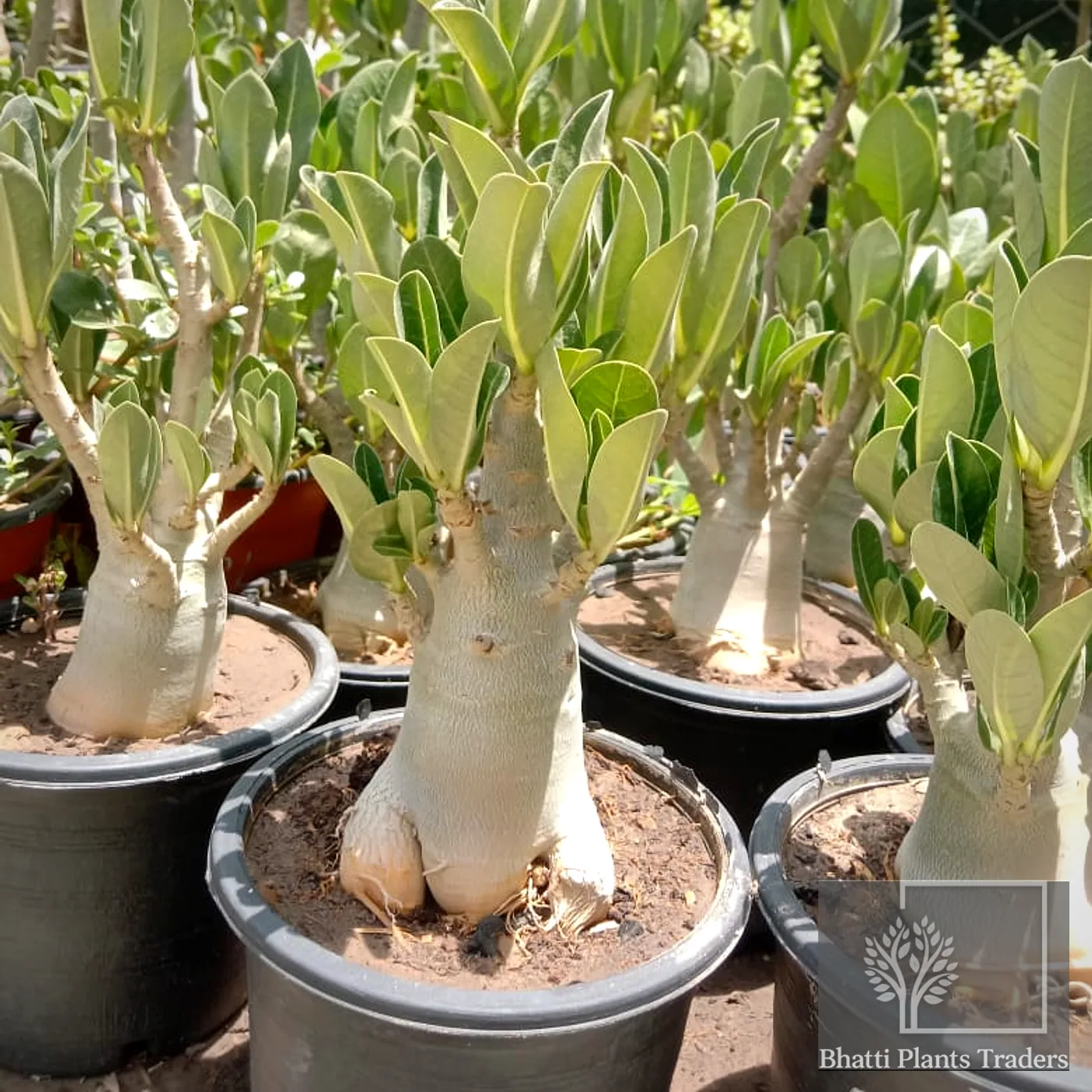
Several plants we sell die back visibly in winter and this is completely normal. Alocasia may drop every leaf down to the corm. Elephant ear disappears entirely. Adenium and pachypodium yellow and drop all their leaves. Plumeria stands as bare grey branches for months.
None of these are dying. Keep them barely moist — for adenium and pachypodium, keep them bone dry — leave them alone, and they return in March. The mistake is watering more in an attempt to revive them, which rots the dormant rootstock.
Use the season for the jobs it suits
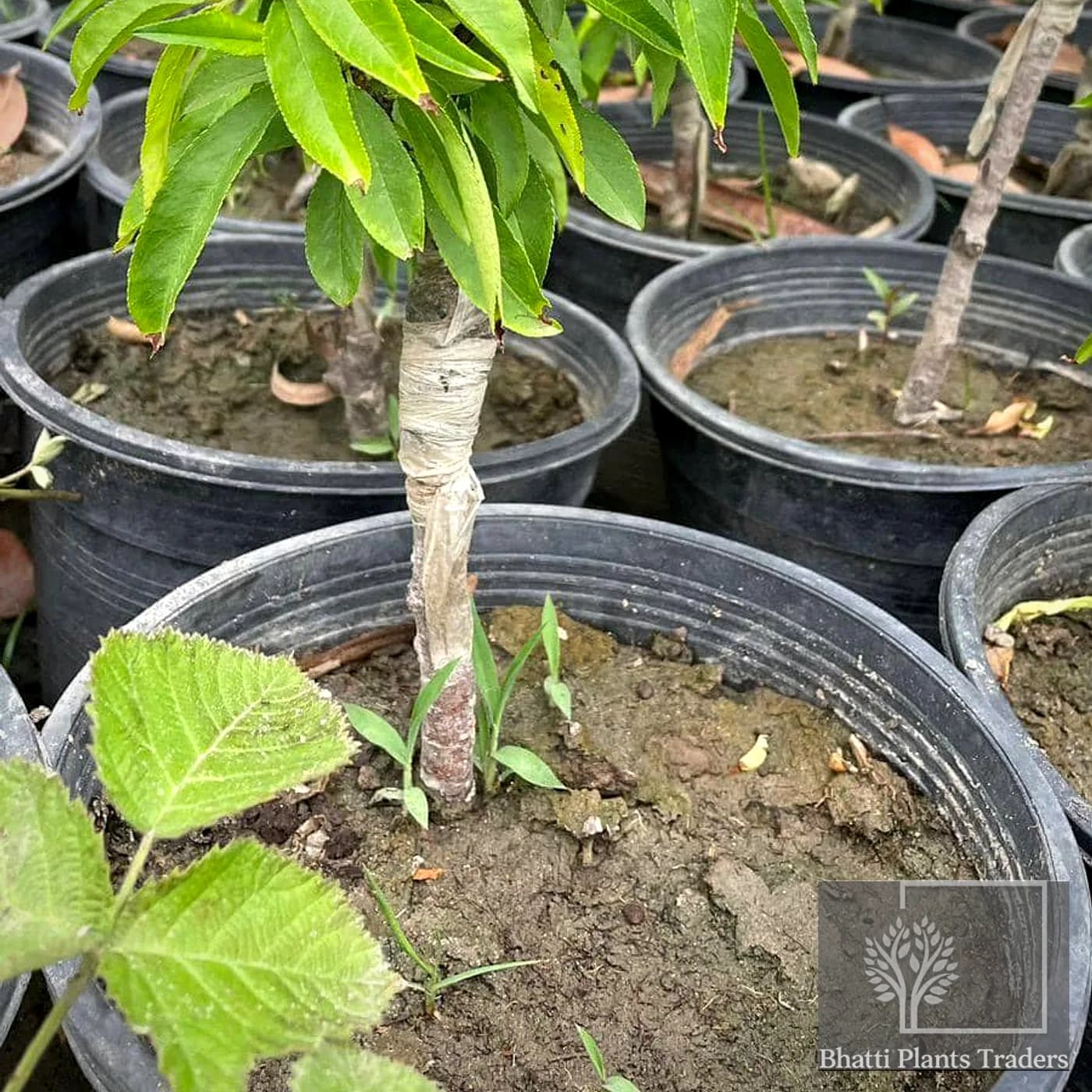
Winter is the right time to prune deciduous fruit trees and grape vines, to apply well-rotted manure around the drip line of established trees, to clean and sterilise pots and tools, and to plan next season.
It is the wrong time to repot, to take cuttings, or to buy a large tropical plant that then has to acclimatise to your home in the coldest, darkest weeks of the year. Wait for March.