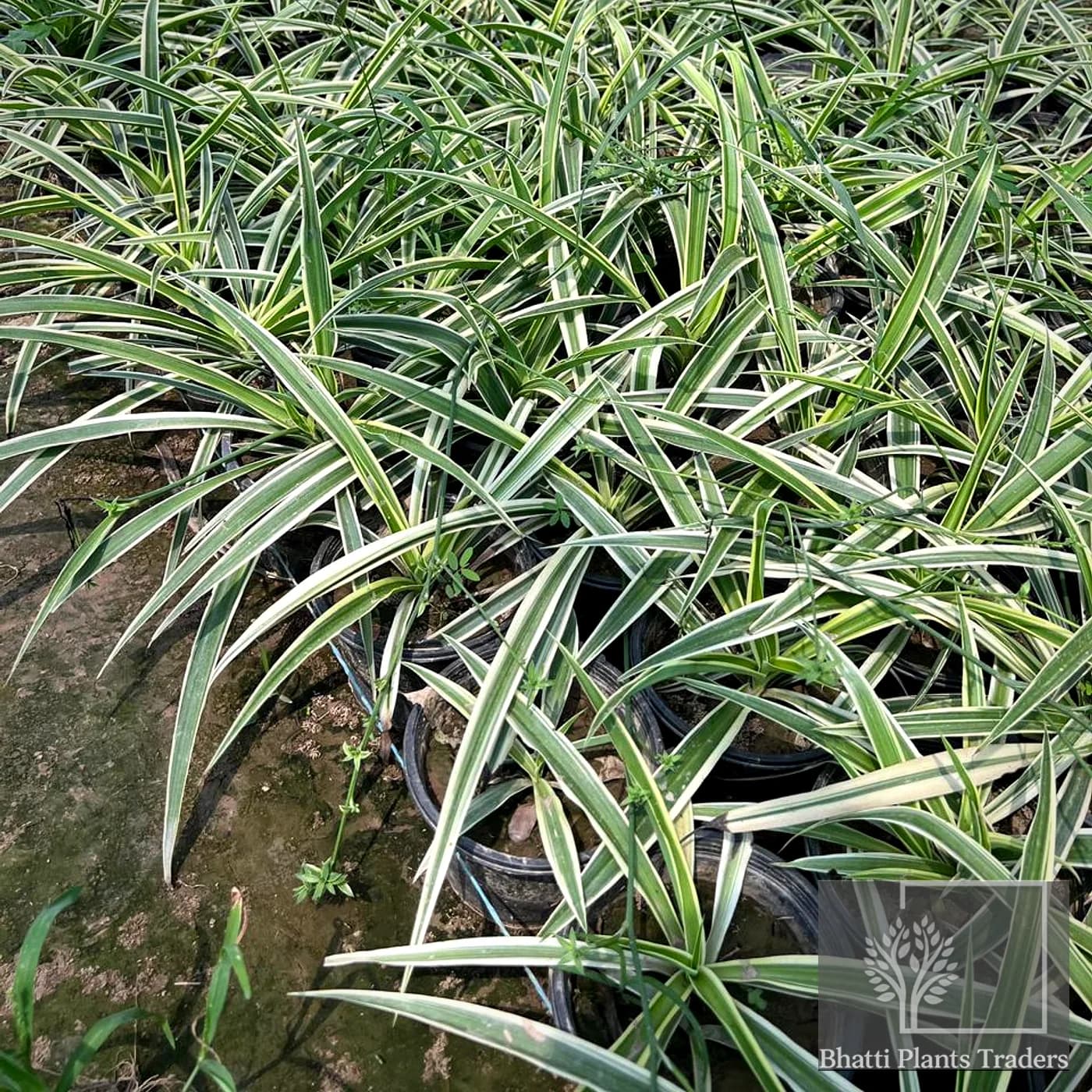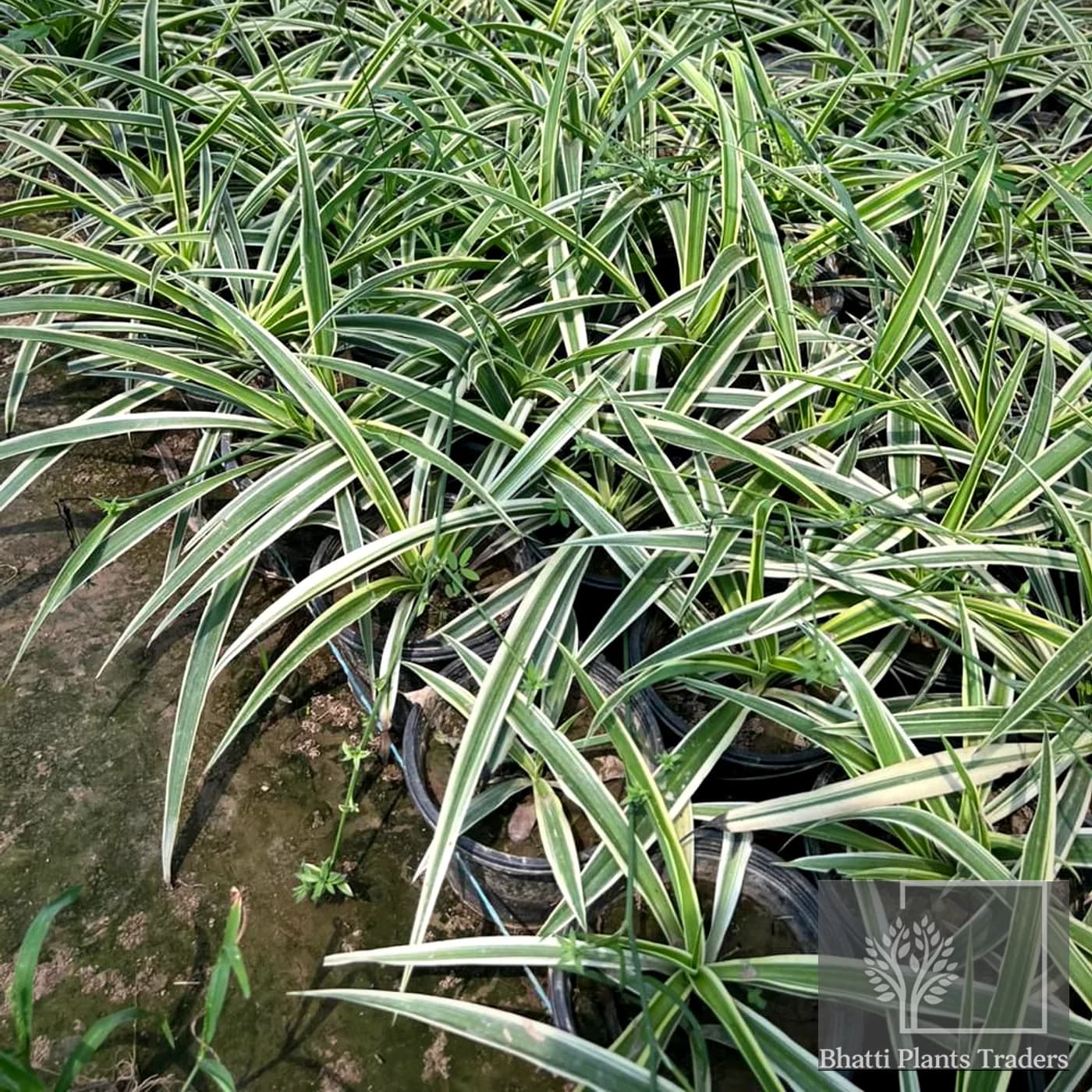
New arrival
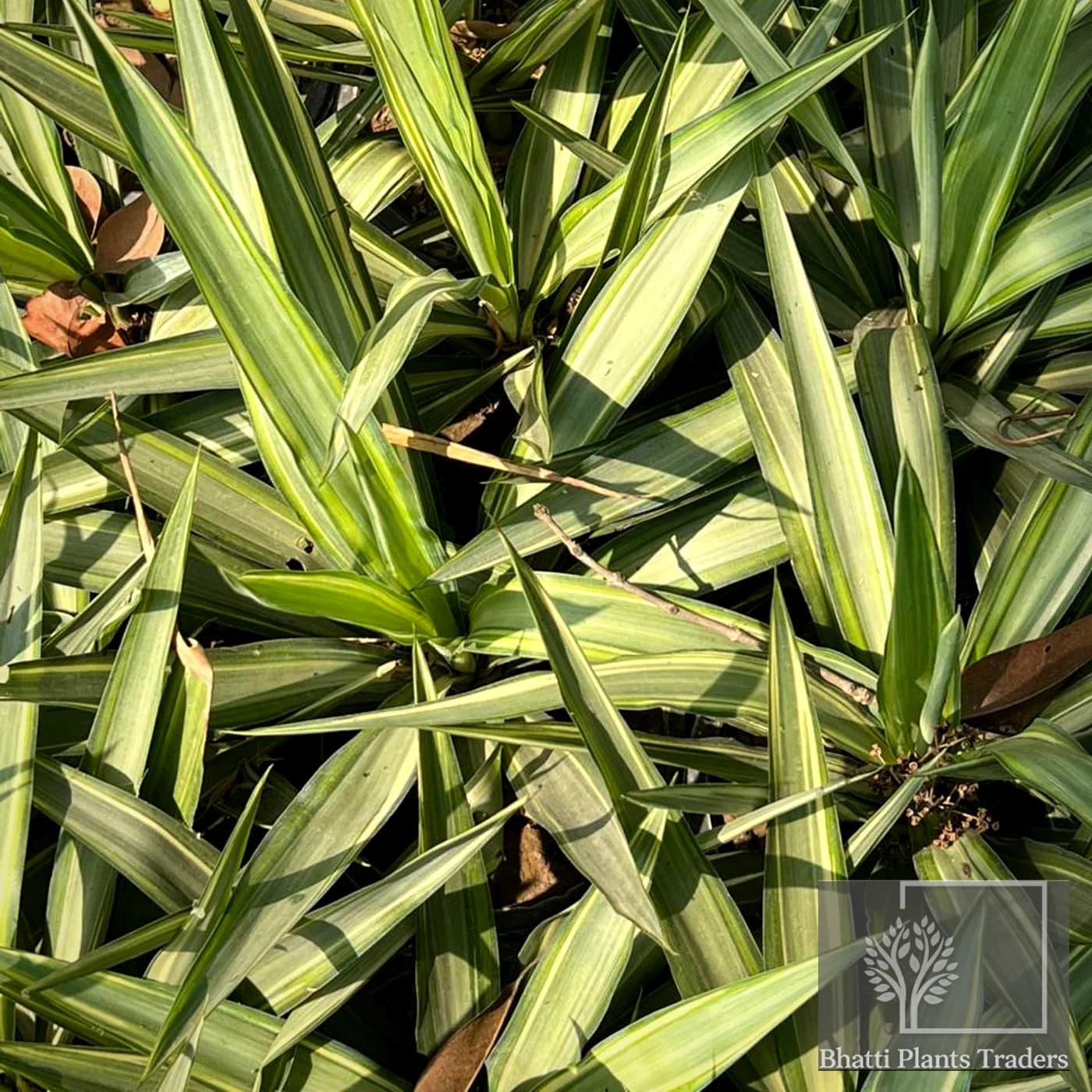 New arrival
Photographs are of our actual stock, taken at the nursery. Plants are living things — expect small differences in shape and leaf count from the plant shown.
Outdoor Plants
Pandanus (Screw Pine)
Pandanus veitchii
Pandanus grows its leaves in a spiral around the stem — walk around a mature plant and the whole crown appears to rotate. The blades are long, arching and edged in clean cream, with fine spines along the margin that catch the light.
It is a genuinely tough architectural plant: salt-tolerant, drought-tolerant once established, and unbothered by the worst of the summer. Mature specimens develop aerial prop roots at the base which are half the reason to grow it.
- Leaves spiral around the stem — the crown appears to rotate
- Salt and drought tolerant; excellent near the coast
- Develops sculptural aerial prop roots with age
Rs 2,400for the 18 inch pot
Inclusive of pot and mix. Delivery Rs 350, free over Rs 5,000.
1
4.8(18 reviews) In stock, dispatched in 1–2 working days
Packed by hand
Dispatched in 1–2 working days
7-day guarantee
Replaced or refunded if damaged
Grown by us
Never bought in and resold
At a glance
- Mature size
- 2–4 m
- Growth rate
- Moderate
- Difficulty
- Easy to keep
- Around pets
- Keep away from cats, dogs and small children
Full sunPartial shadeCourtyardPoolsideLarge pot
How to look after your Pandanus (Screw Pine)
Written for Pakistani conditions — long hot summers, dry winter air, and hard tap water. Follow this rather than advice written for a temperate climate.
- Light
- Bright indirect light. Tolerates medium light, though variegated forms lose contrast in shade.
- Water
- When the top 5 cm is dry, roughly every 10–14 days. Sensitive to fluoride — filtered or rested water is better.
- Humidity
- Moderate. Appreciates a boost in dry winter air.
- Soil
- Well-draining potting mix with perlite.
- Feeding
- Monthly at half strength, spring through summer.
- Temperature
- 18–30°C. Keep above 13°C.
If something goes wrong
Brown tips with a yellow halo
Why it happens: Fluoride or salts in tap water.
What to do: Use filtered water and flush the pot thoroughly every few months.
Bare, leggy stem
Why it happens: Natural habit with age, accelerated by low light.
What to do: Cut the cane back — it reshoots below the cut, and the removed top roots easily in water.
You might also like
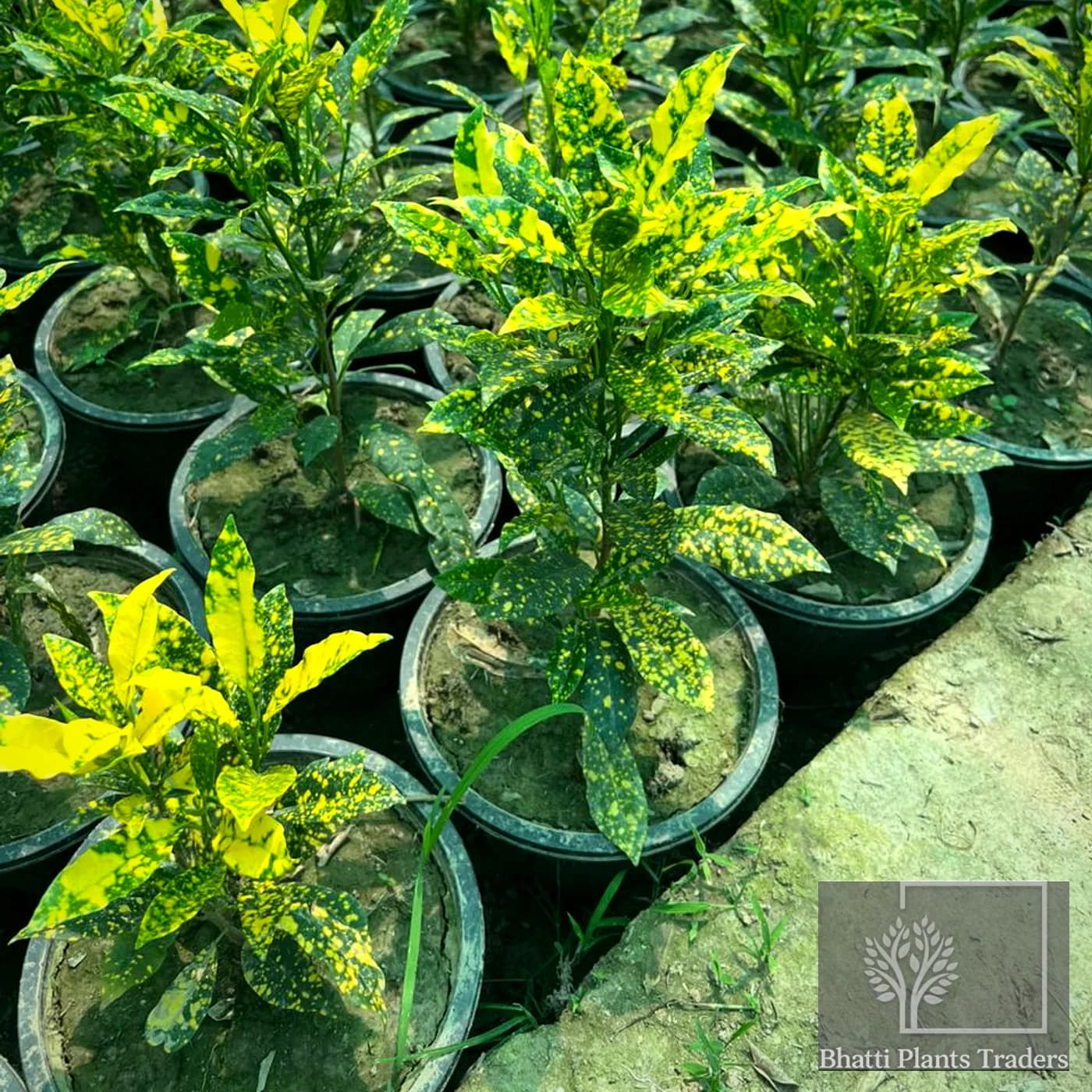
Staff pick
New arrival