Bestseller
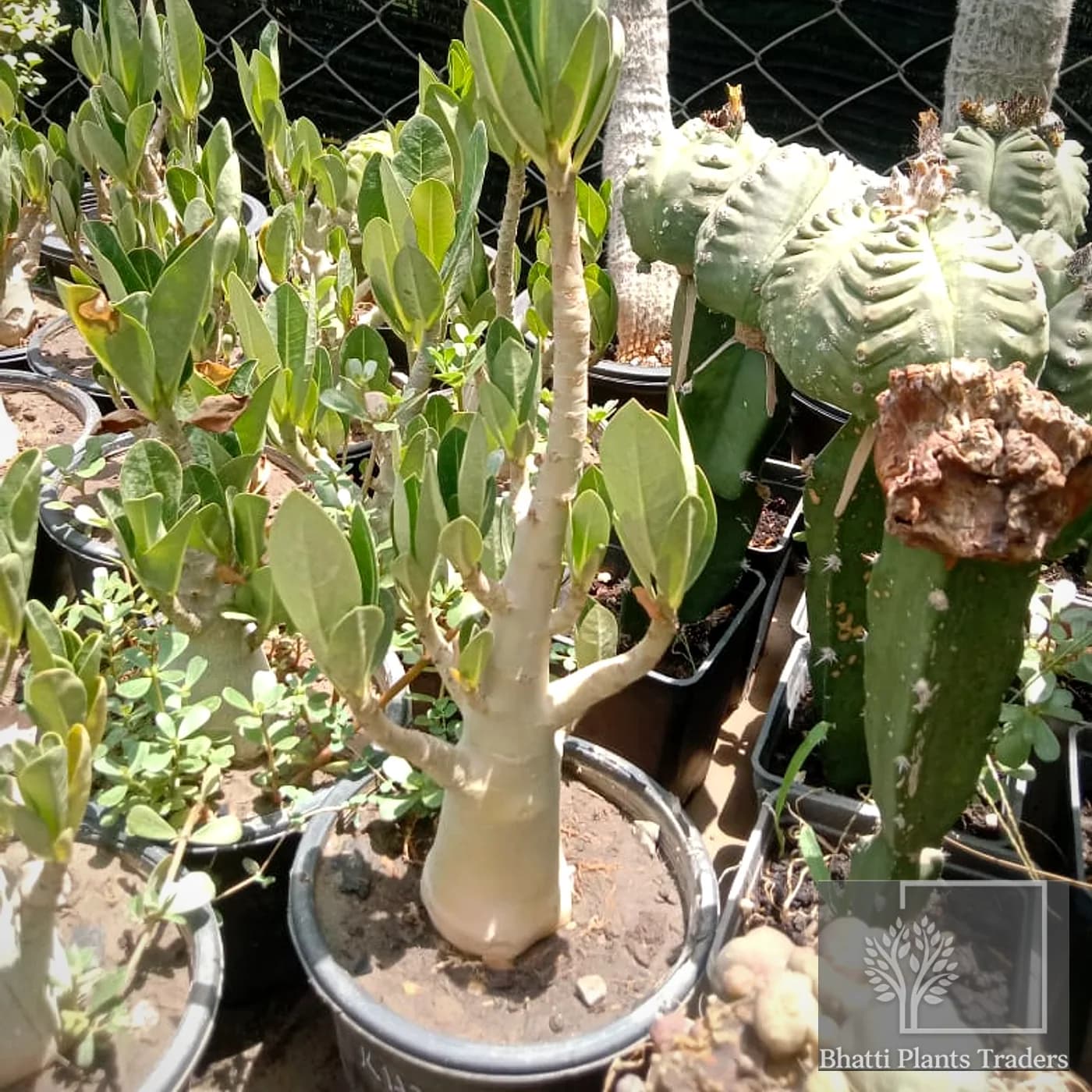
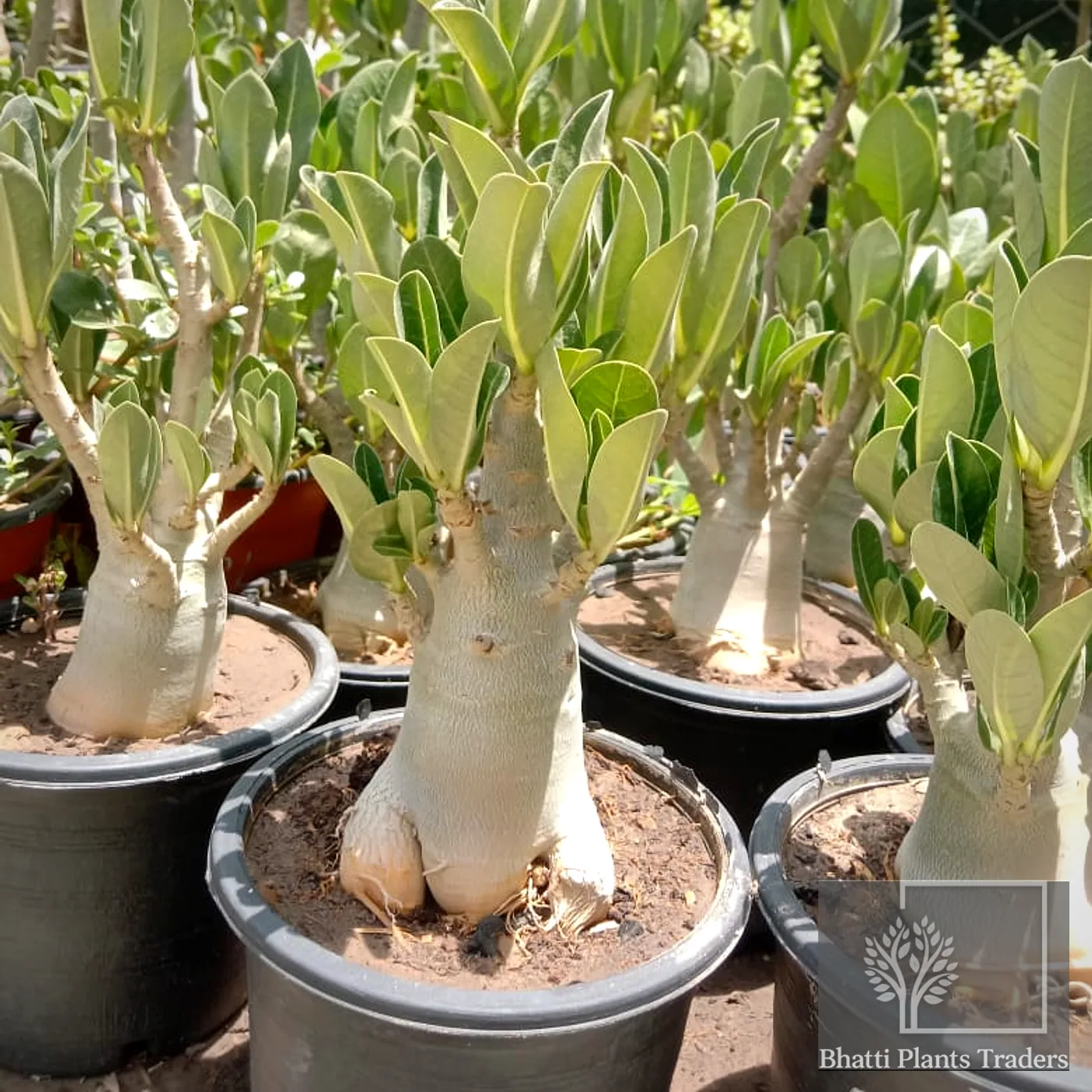
A fat, sculptural caudex topped with trumpet flowers all summer.
fromRs 1,500
Delivery by courier, bus cargo, railway goods or our own truck — cost depends on the plants and the method
0301 4098726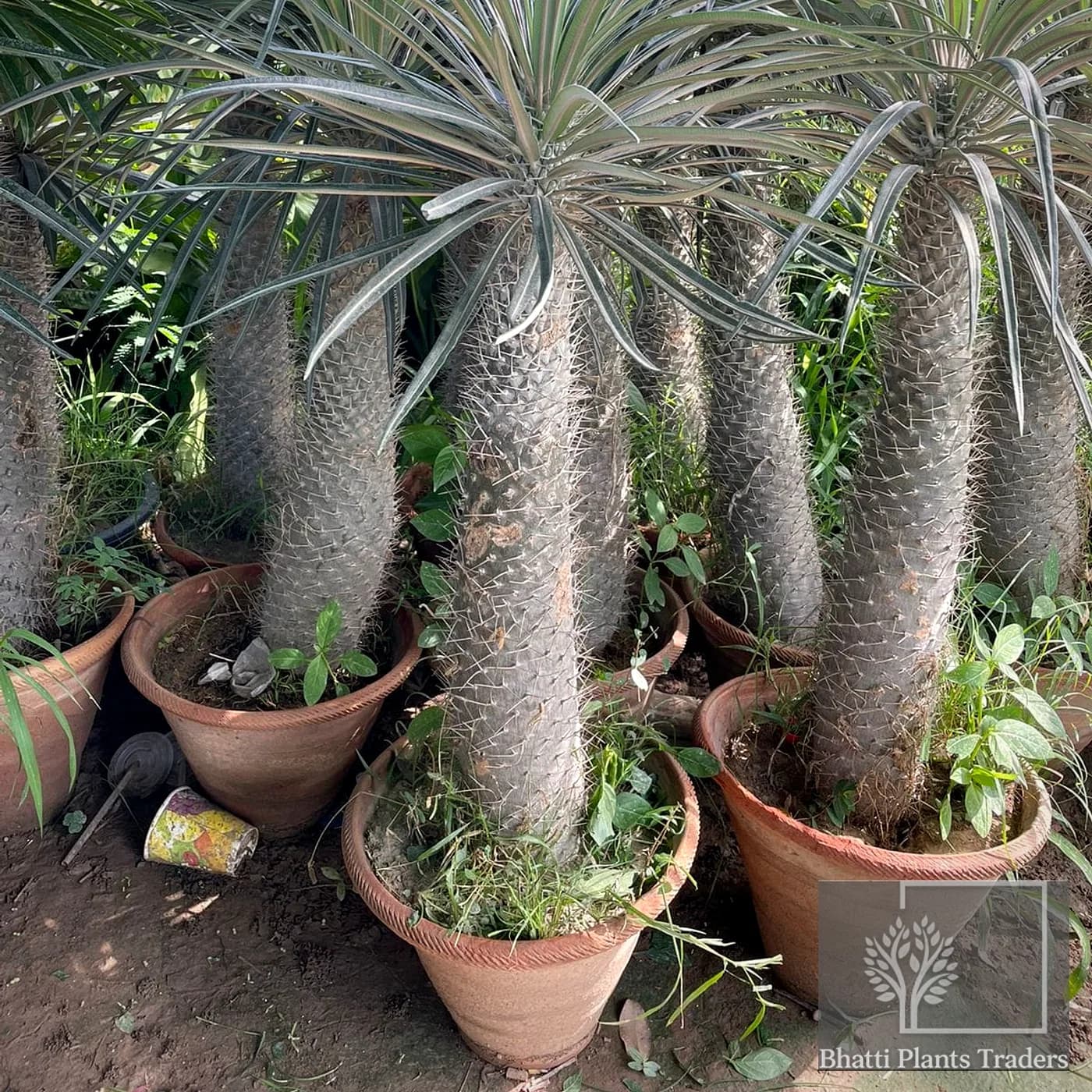 Collector
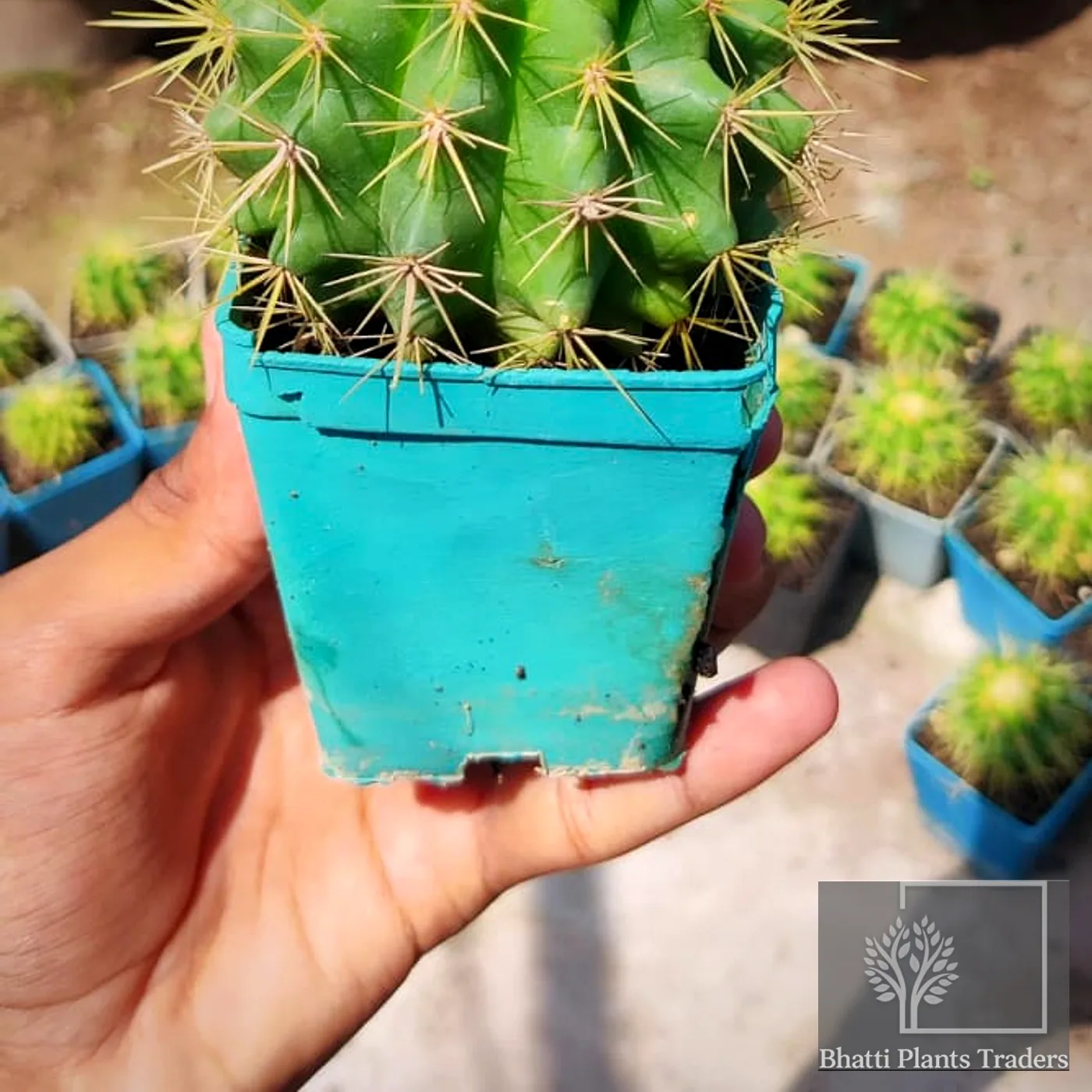
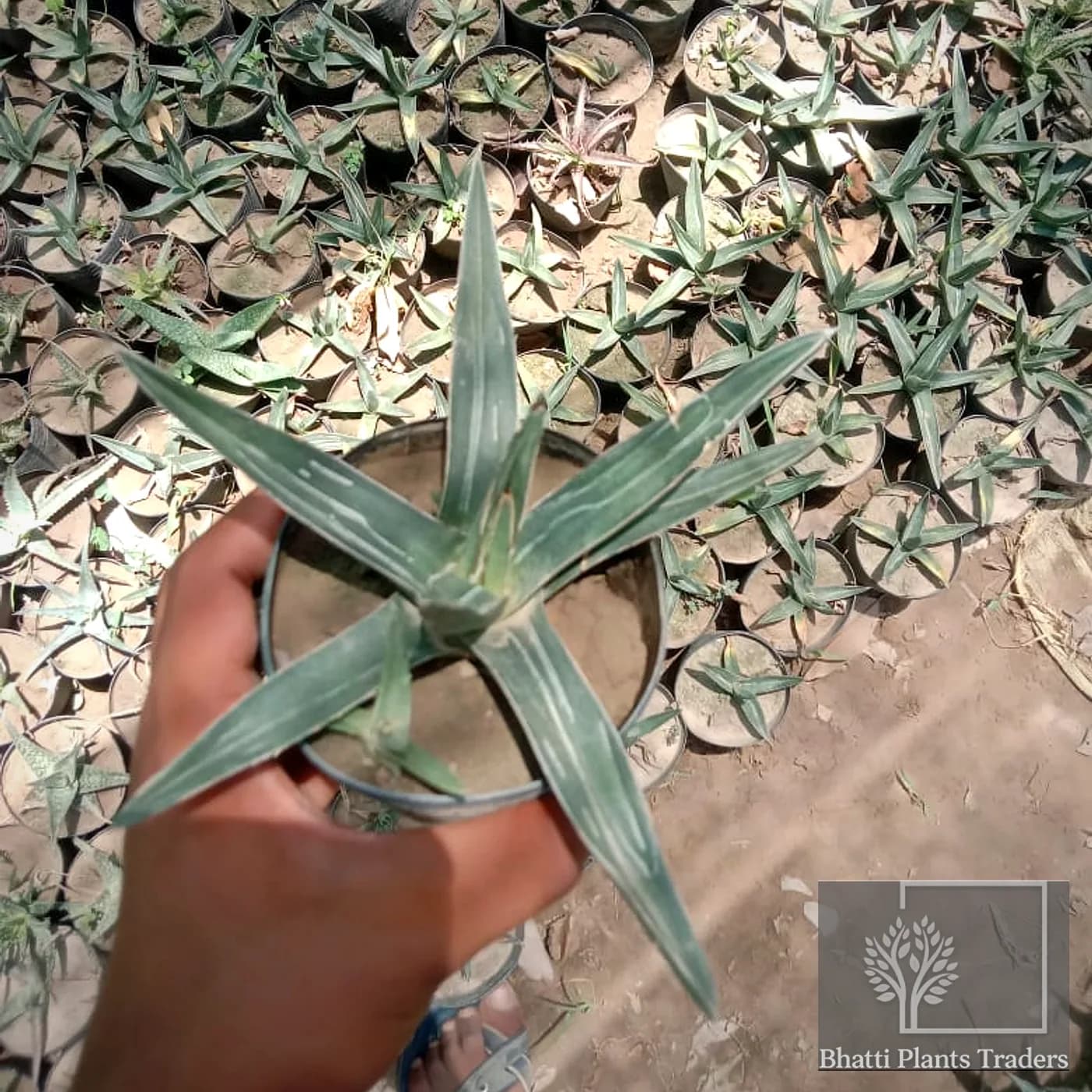
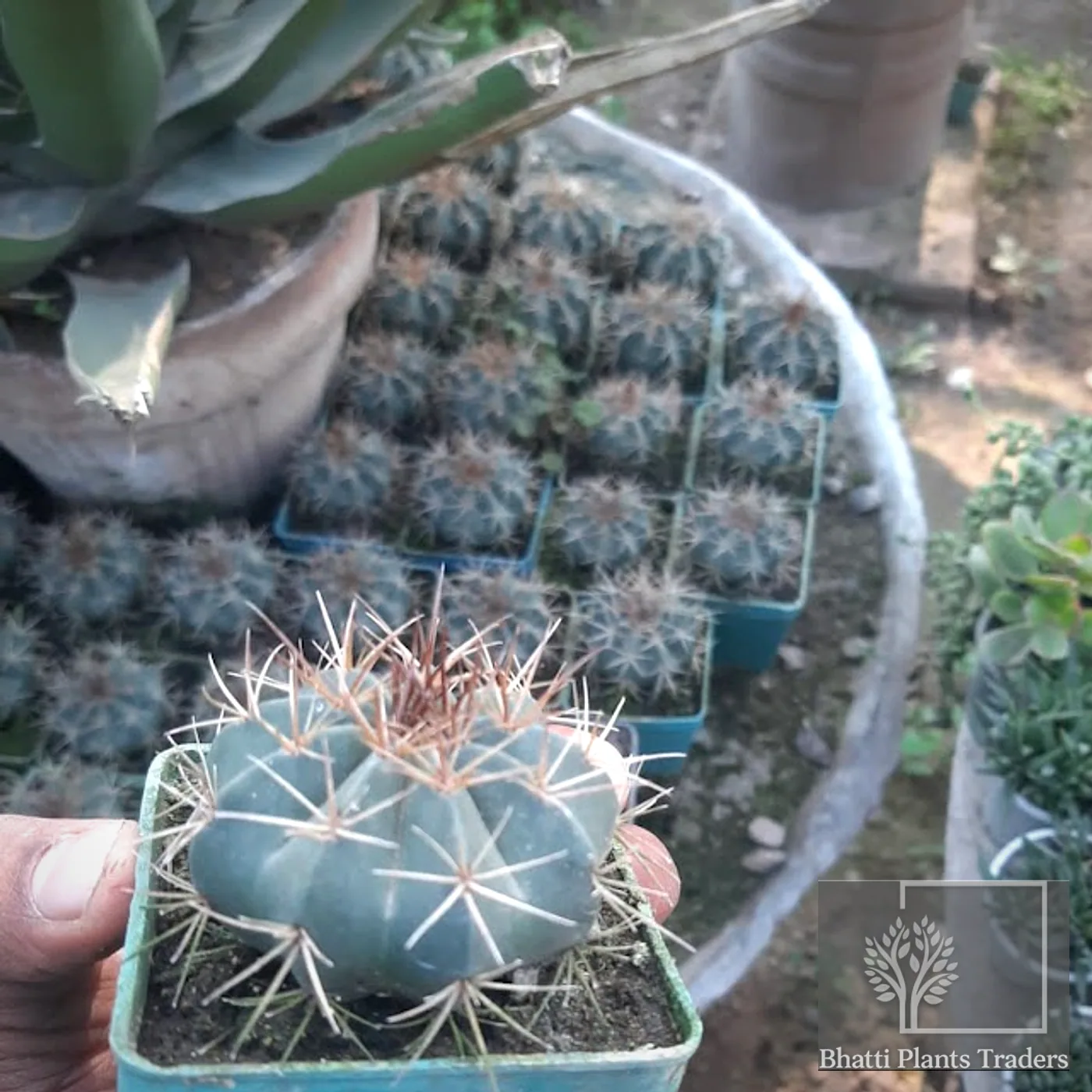
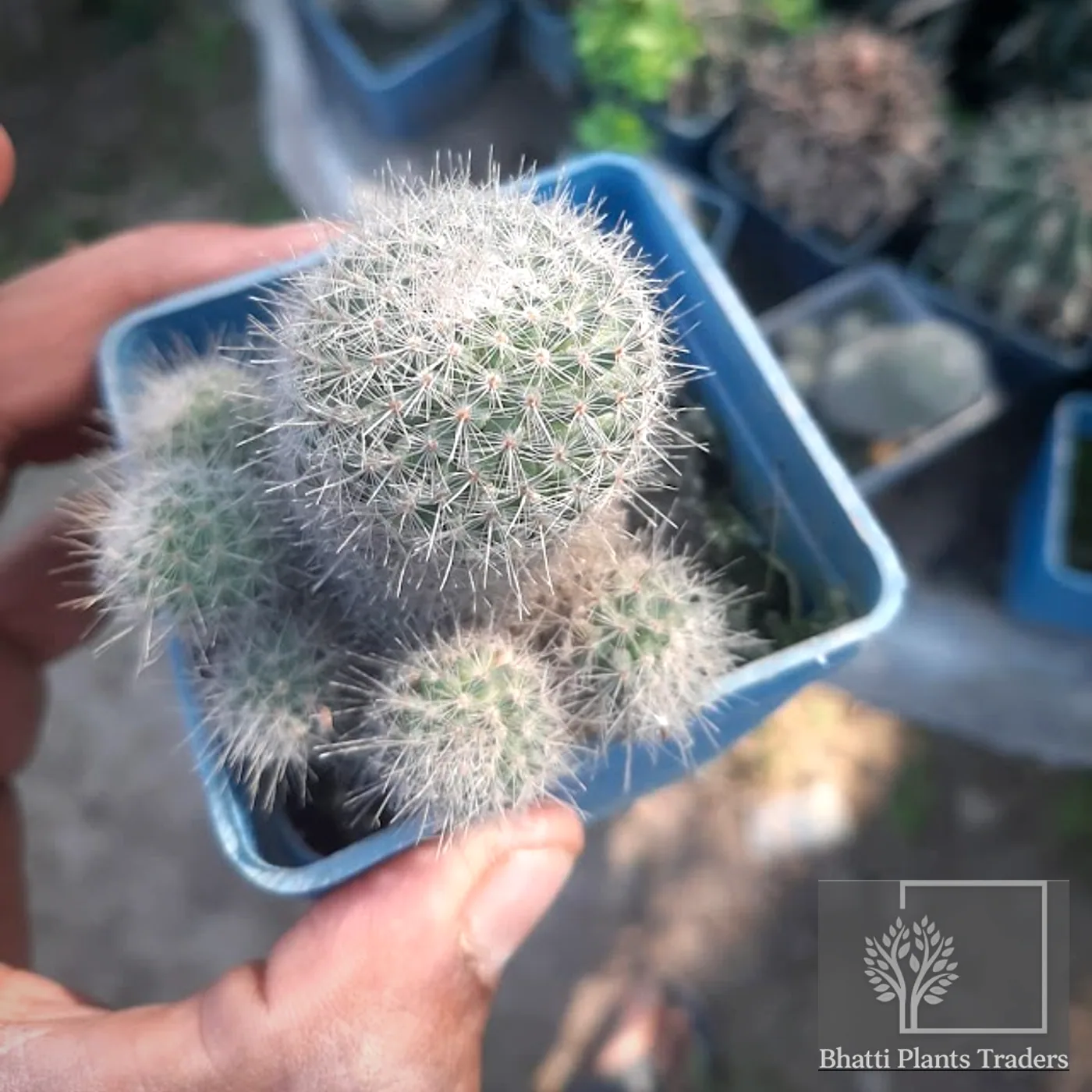
Photographs are of our actual stock, taken at the nursery. Plants are living things — expect small differences in shape and leaf count from the plant shown.
Succulents & Cacti
Pachypodium lamerei
Often sold as the Madagascar palm, though it is neither a palm nor related to one. A pachypodium is a succulent that builds a thick, silver-grey trunk armoured in triple spines, with a crown of long glossy leaves at the very top. The silhouette is unmistakable and quietly menacing.
We grow these from small plants through to trunks over a metre. Growth is slow and entirely light-dependent — the plants in our largest size have been on the same bench for the better part of a decade, which is what the price reflects.
Inclusive of pot and mix. Delivery Rs 350, free over Rs 5,000.
Packed by hand
Dispatched in 1–2 working days
7-day guarantee
Replaced or refunded if damaged
Grown by us
Never bought in and resold
Written for Pakistani conditions — long hot summers, dry winter air, and hard tap water. Follow this rather than advice written for a temperate climate.
Why it happens: Normal seasonal dormancy, not a problem.
What to do: Reduce water sharply and wait. Growth restarts as temperatures rise in March.
Why it happens: Rot from water during dormancy.
What to do: Usually terminal once soft. Prevent it by keeping the plant dry below 15°C.
Why it happens: Too little sun or too much nitrogen.
What to do: Move into full sun and switch to a high-potassium feed.
A fat, sculptural caudex topped with trumpet flowers all summer.