Bestseller
 Rare
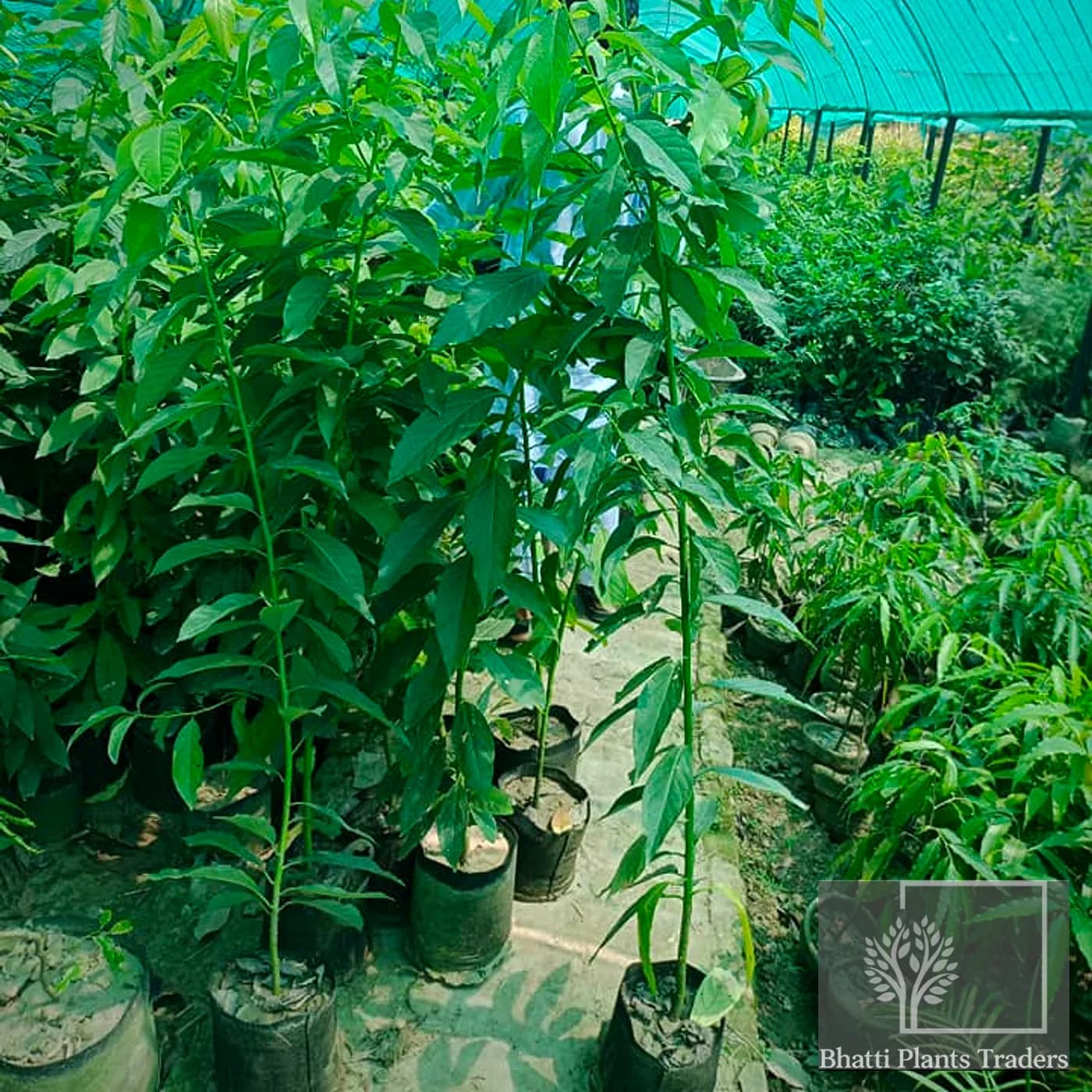
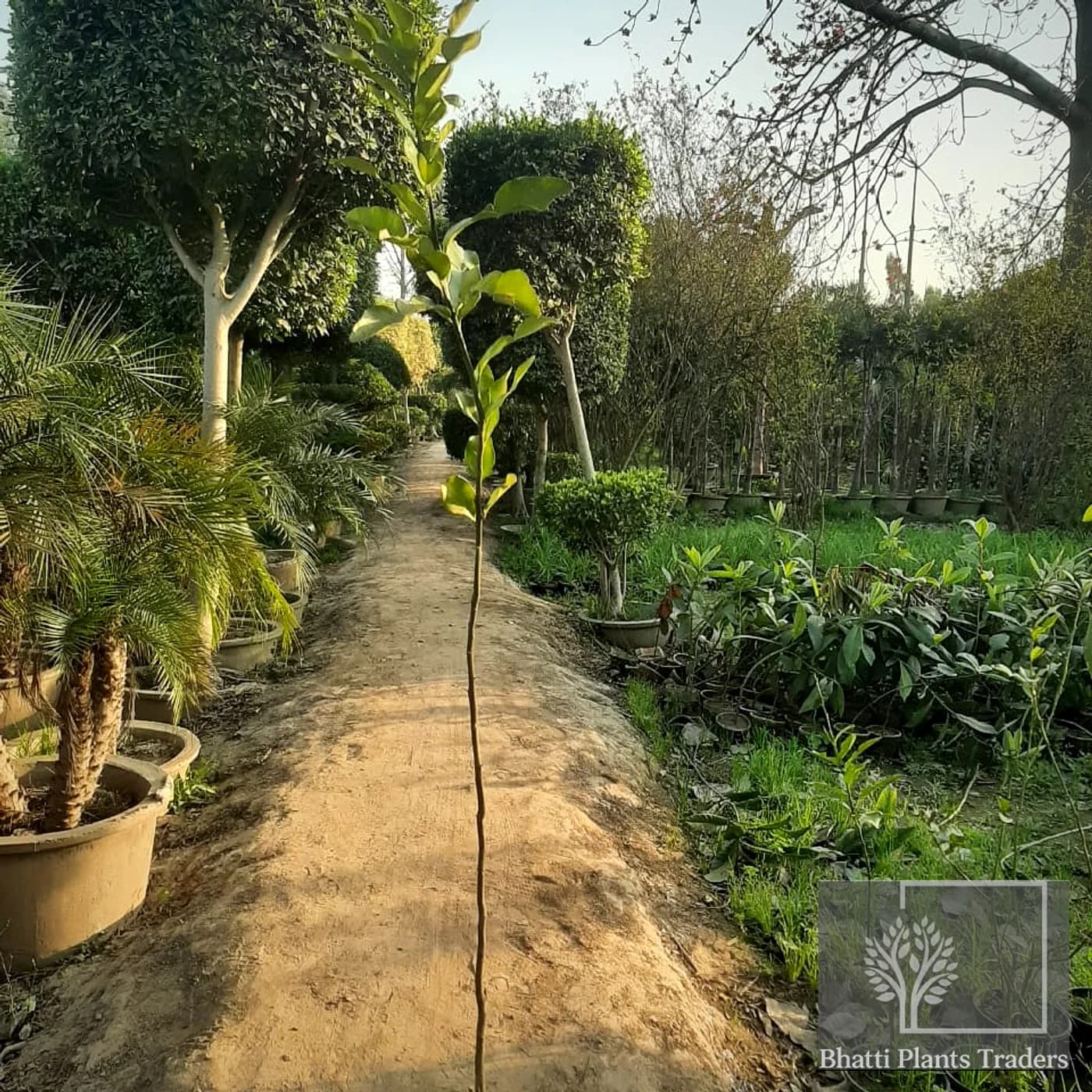
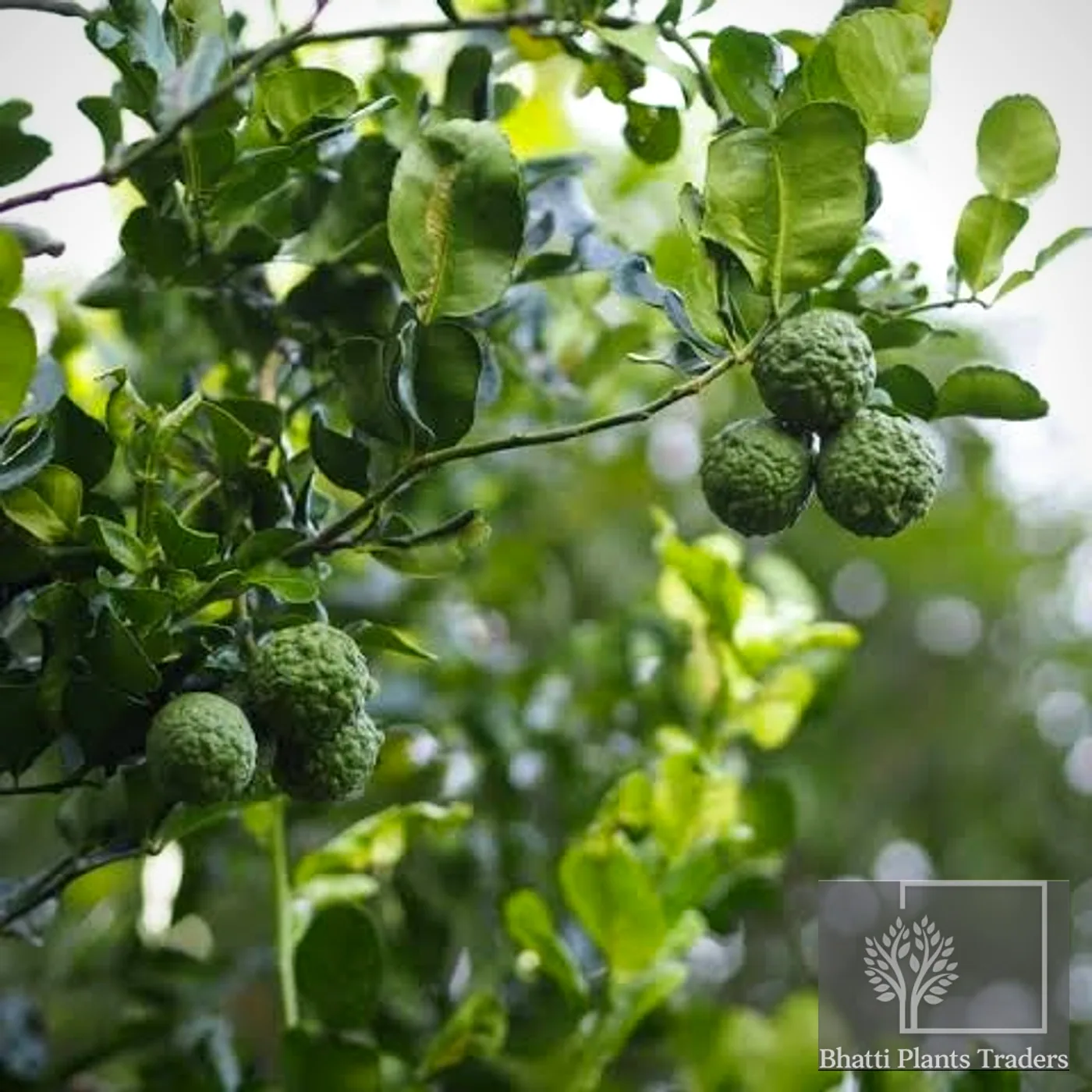
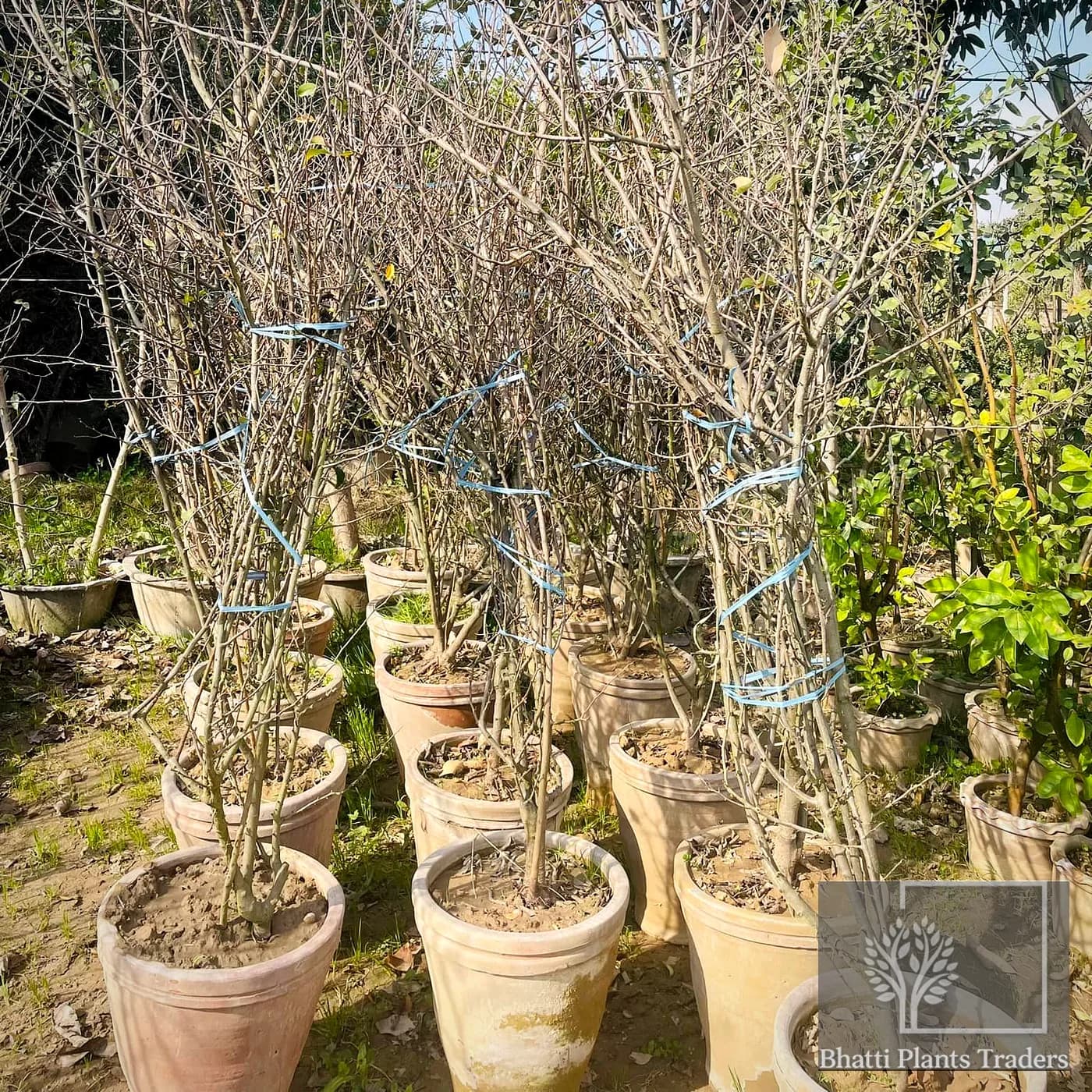
RarePhotographs are of our actual stock, taken at the nursery. Plants are living things — expect small differences in shape and leaf count from the plant shown.
Fruit Plants
Finger Lime
Citrus australasica
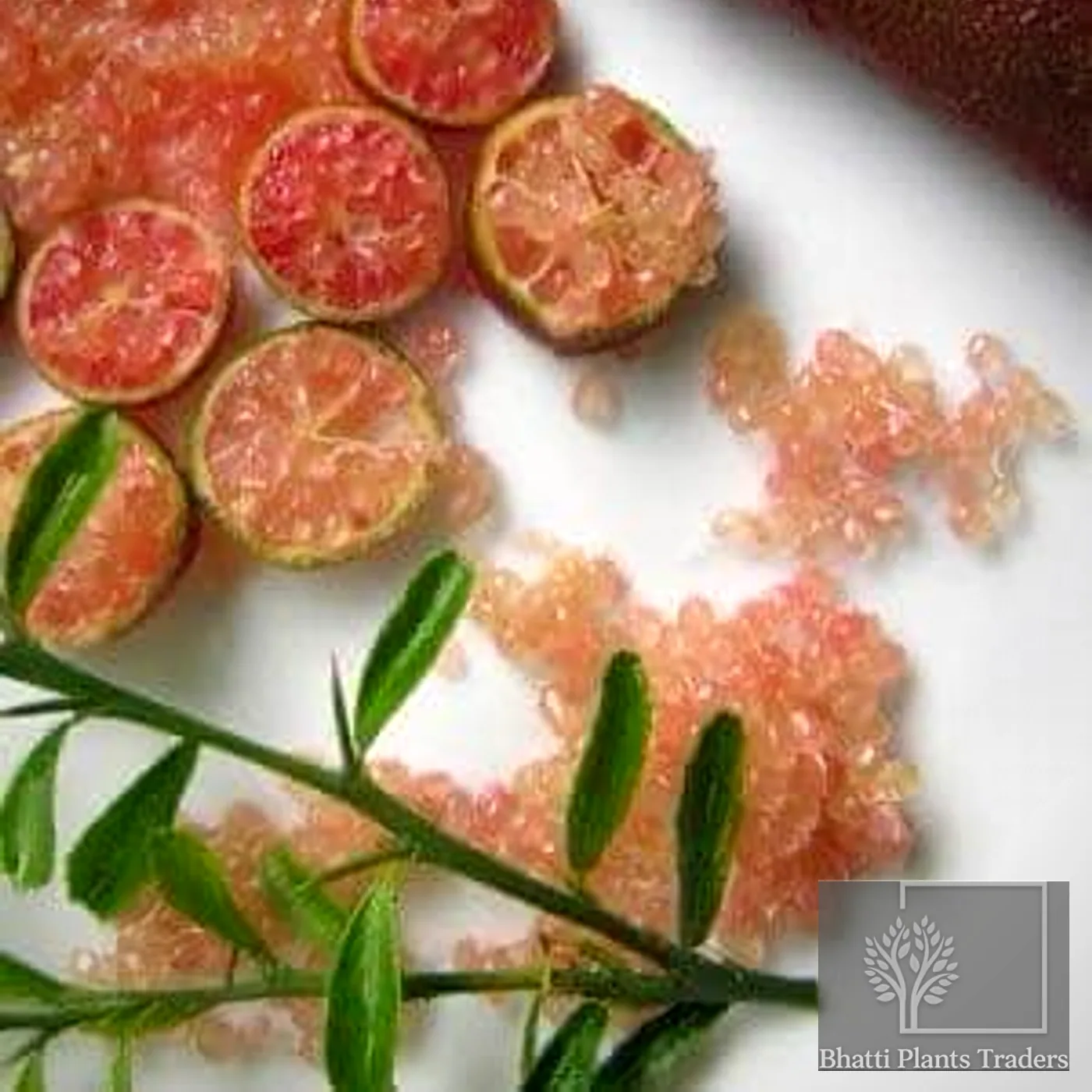
Finger lime is the most expensive citrus in the world by weight, and the reason is inside the fruit. Instead of ordinary segments it contains thousands of tiny spherical juice vesicles that separate cleanly and pop individually — citrus caviar, used by restaurants across the world as a garnish.
We grow the red-blood form with pink-red beads and the standard green form. It is a slow, thorny, small tree that suits a large pot, and it fruits from about the fourth year on grafted stock.
- Citrus caviar — separating juice beads that burst individually
- Red-blood and green forms available
- Thorny and slow, but the highest-value fruit we grow
Rs 4,250for the 2 ft, 18 inch pot
Inclusive of pot and mix. Delivery Rs 350, free over Rs 5,000.
1
4.9(23 reviews) In stock, dispatched in 1–2 working days
Packed by hand
Dispatched in 1–2 working days
7-day guarantee
Replaced or refunded if damaged
Grown by us
Never bought in and resold
At a glance
- Mature size
- 2–4 m
- Growth rate
- Slow
- Difficulty
- Moderate to keep
- Around pets
- Non-toxic — safe if chewed
Full sunTerraceLarge pot
How to look after your Finger Lime
Written for Pakistani conditions — long hot summers, dry winter air, and hard tap water. Follow this rather than advice written for a temperate climate.
- Light
- Full sun. Six to eight hours minimum for a worthwhile crop.
- Water
- Deeply and regularly, especially while fruit is setting and swelling. Mulch heavily to hold soil moisture.
- Humidity
- Ambient.
- Soil
- Deep, fertile, well-draining soil. Avoid heavy waterlogged clay — raise the bed if that is what you have.
- Feeding
- Balanced feed in early spring, high-potassium once fruit sets, and well-rotted manure each winter.
- Temperature
- Species dependent; most listed here suit the Pakistani plains. Young grafted stock needs shade in its first summer.
If something goes wrong
Flowers form but fruit does not set
Why it happens: Poor pollination or heat stress at flowering.
What to do: Plant a second variety nearby where cross-pollination is needed, and shade the tree during extreme heat.
Fruit dropping while small
Why it happens: Water stress or a natural thinning.
What to do: Keep watering even and mulch the root zone. A degree of natural drop is normal and healthy.
Suckers below the graft union
Why it happens: Rootstock growth.
What to do: Remove them flush at the trunk as soon as they appear, or they will outgrow the grafted variety.
You might also like
Rare
Staff pick