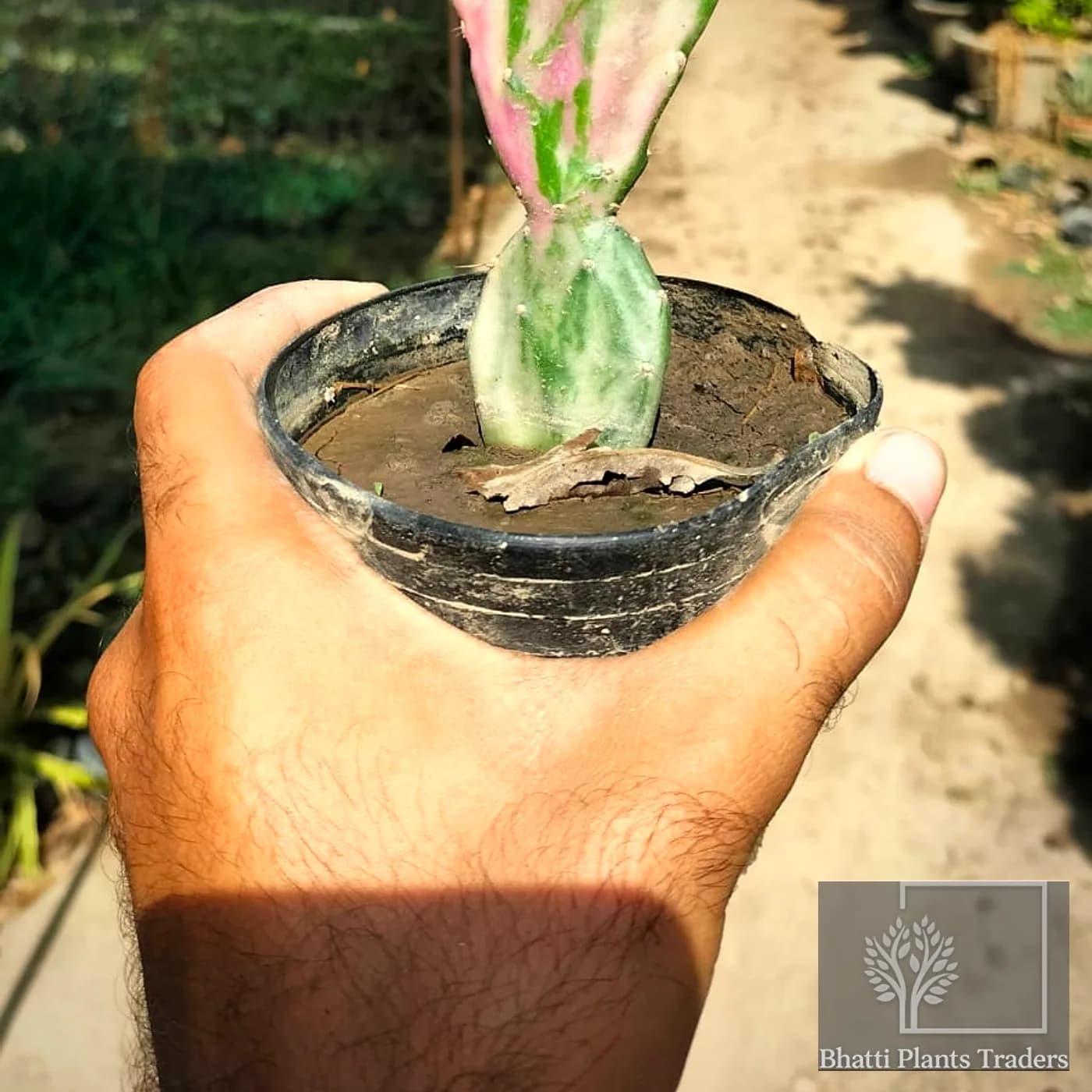
Collector
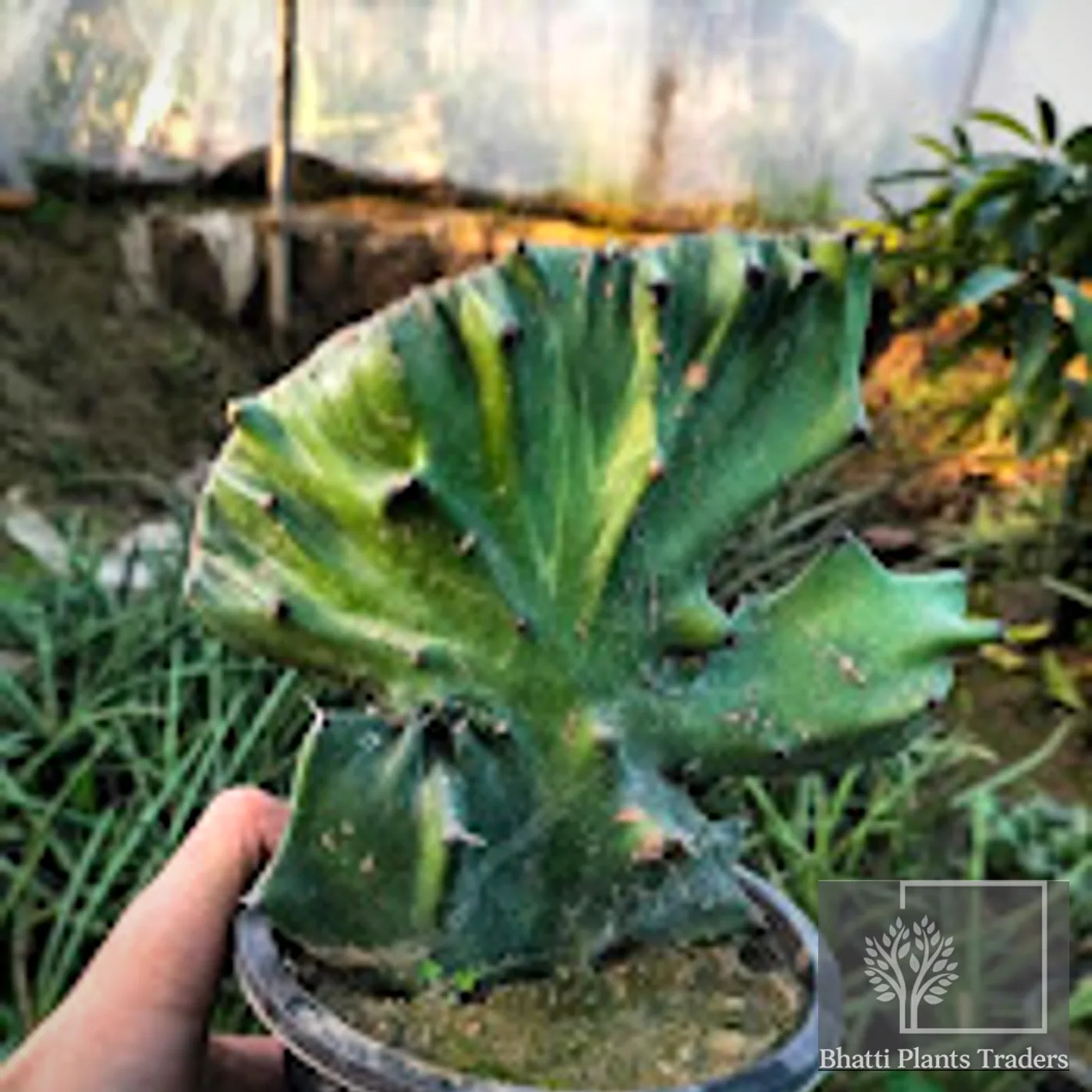
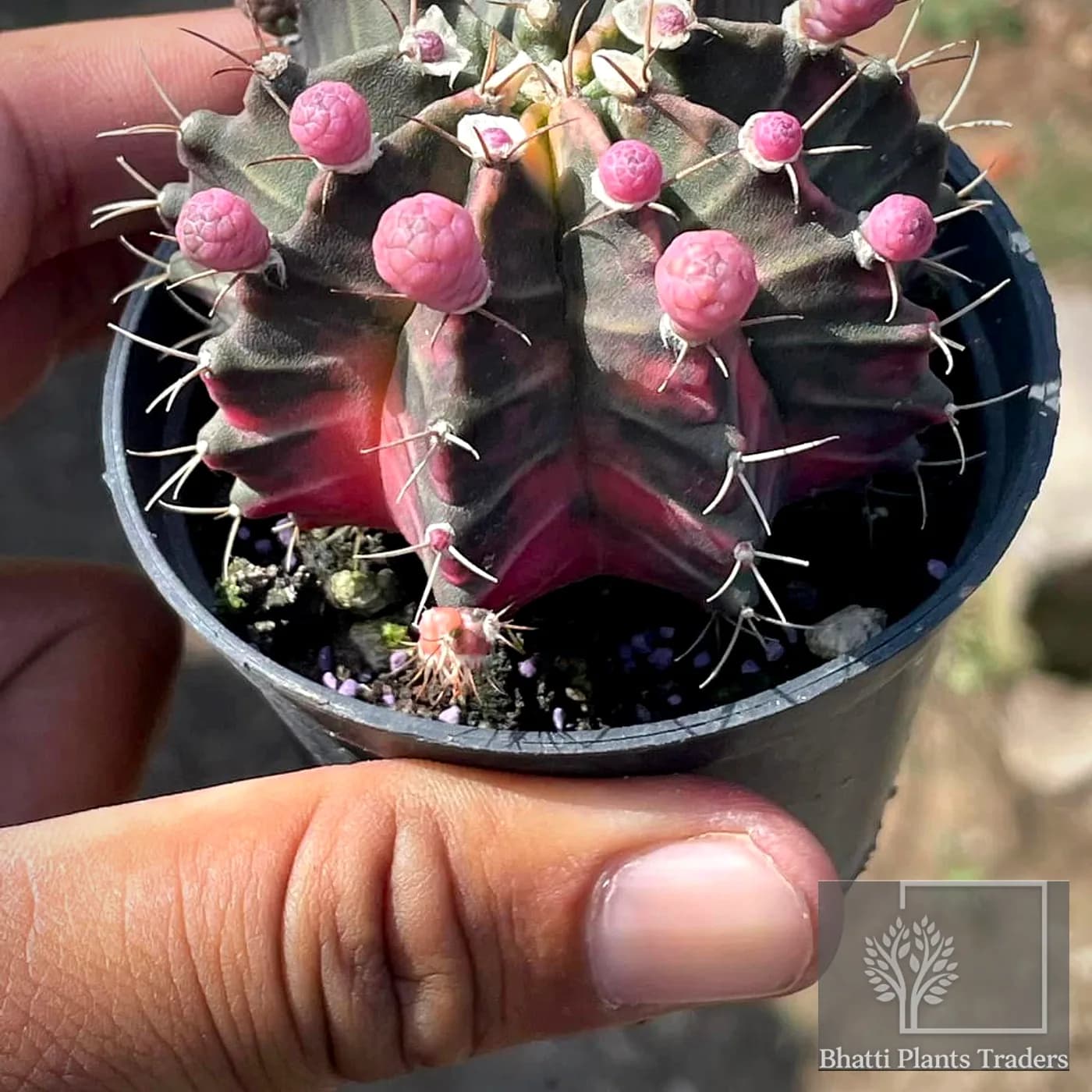
A fan-shaped crest — a genuine growth mutation, not a graft trick.
fromRs 1,200
Delivery by courier, bus cargo, railway goods or our own truck — cost depends on the plants and the method
0301 4098726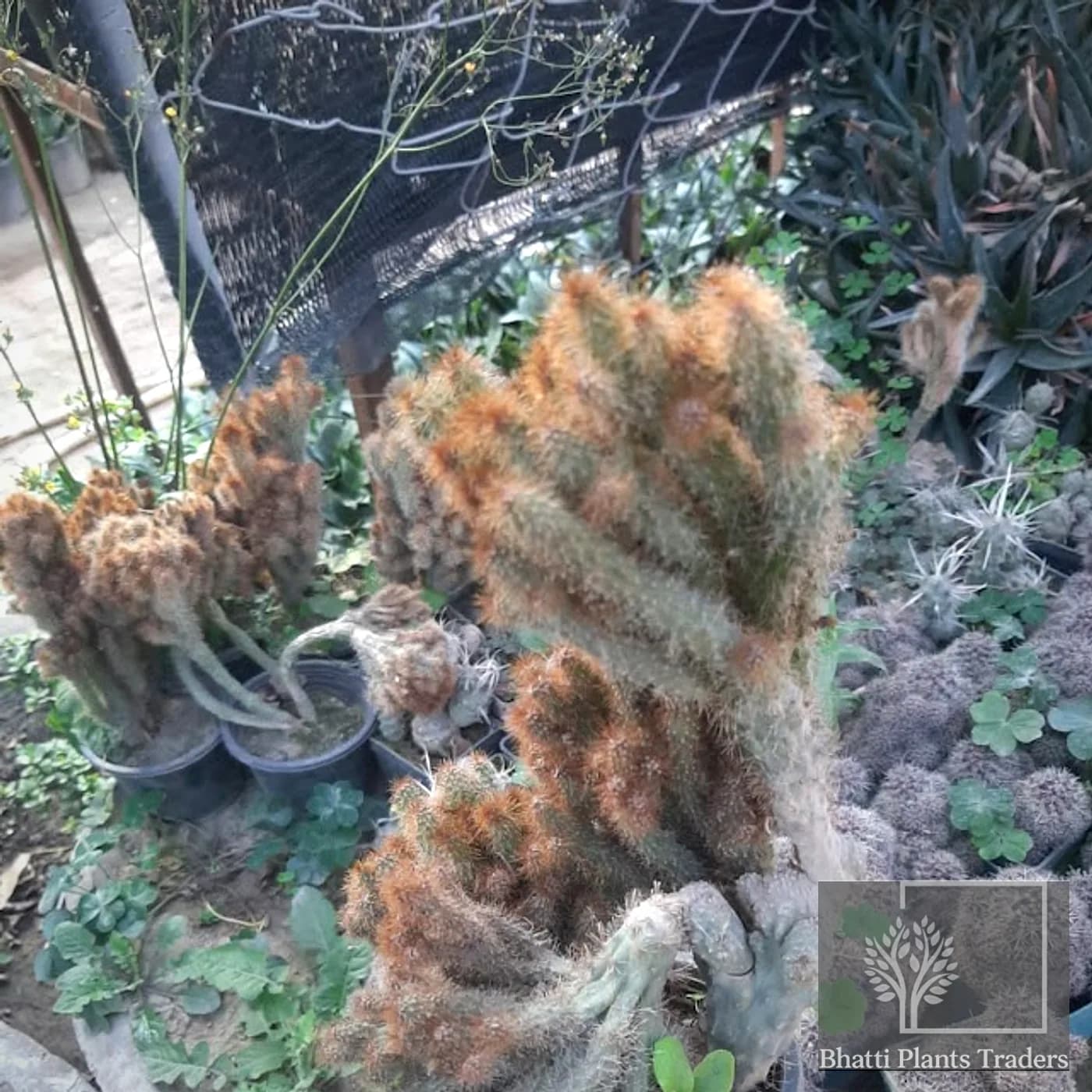 Collector
These photographs show the species, not the individual tree. Specimens this size are selected by hand — we photograph the actual tree allocated to your order and send it to you before dispatch, and you can decline it if it is not right.
Succulents & Cacti
Cactaceae, cristate form
Cresting happens when a cactus’s growing point stops being a point and becomes a line, so instead of a column it produces a rippling wall. It is spontaneous, it cannot be reliably induced, and no two crested plants are the same shape. That is the whole appeal.
These are woolly-spined crests on their own roots, grown on here for several years — cresting is slow, and a specimen of any size represents real time.
Because each plant is genuinely unique, the shape you receive will differ from the photograph. Tell us if you would like a photo of the individual plant before we send it and we will take one.
Inclusive of pot and mix. Delivery Rs 350, free over Rs 5,000.
Packed by hand
Dispatched in 1–2 working days
7-day guarantee
Replaced or refunded if damaged
Grown by us
Never bought in and resold
Written for Pakistani conditions — long hot summers, dry winter air, and hard tap water. Follow this rather than advice written for a temperate climate.
Why it happens: Rot from winter watering.
What to do: Cut above the rot with a sterile blade, callus the cut for a week in shade, then re-root in dry mix.
Why it happens: Etiolation from too little light.
What to do: Increase sun gradually over two weeks. The stretched section will not shrink back, but new growth returns to normal.
Why it happens: Mealybug.
What to do: Dab each cluster with a cotton bud dipped in rubbing alcohol, and repeat weekly for a month.
A fan-shaped crest — a genuine growth mutation, not a graft trick.