Design6 min read
Designing a small courtyard that does not feel like a corridor
Most Pakistani houses have a narrow side courtyard nobody uses. Three planting decisions change that.
By Muhammad Sami
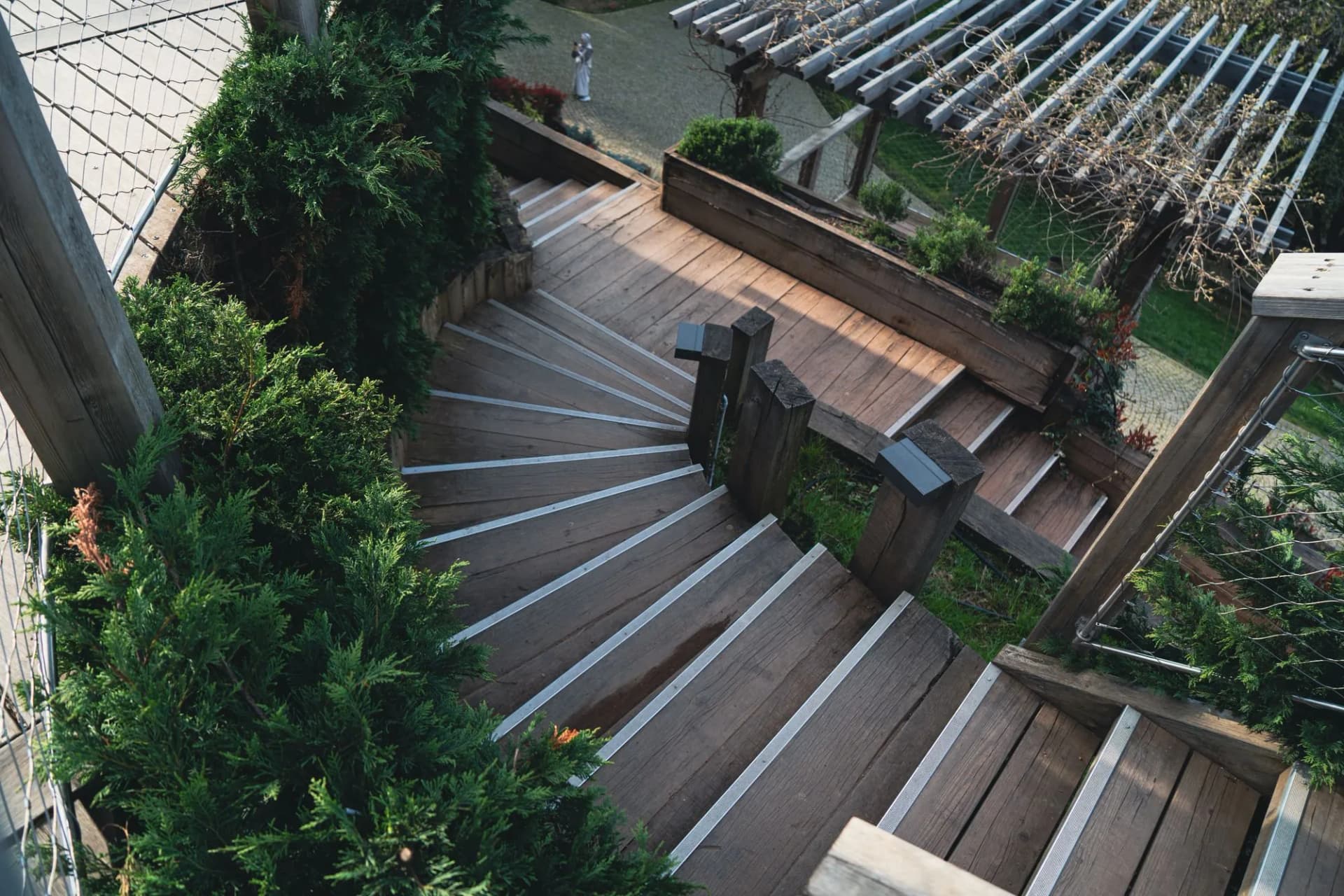
The side courtyard is the most wasted space in Pakistani housing. Long, narrow, walled on both sides, usually holding an air conditioning unit and some buckets.
It is also the easiest space in the house to transform, because the problem is not size — it is that the eye runs straight down it to the far wall and registers a corridor.
One: break the sightline
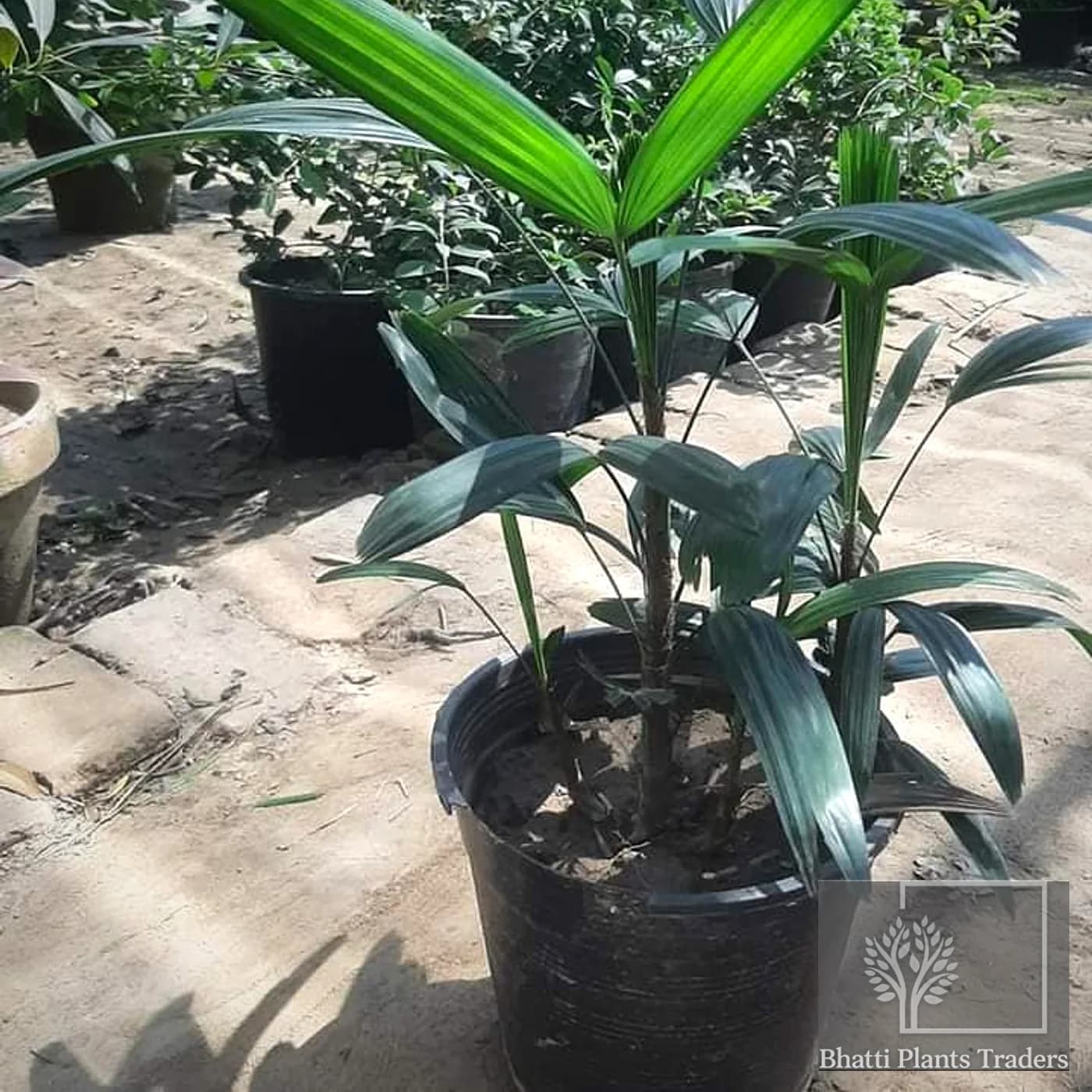
Put something with height about two-thirds of the way down, offset to one side, so the eye stops before it reaches the end wall. A single traveller’s palm, a large bottle palm, or a tall pot with a fishtail palm all work.
This one move does more than anything else on this list. A courtyard you cannot see the end of reads as a garden; one you can reads as a passage.
Two: green the walls, not the floor
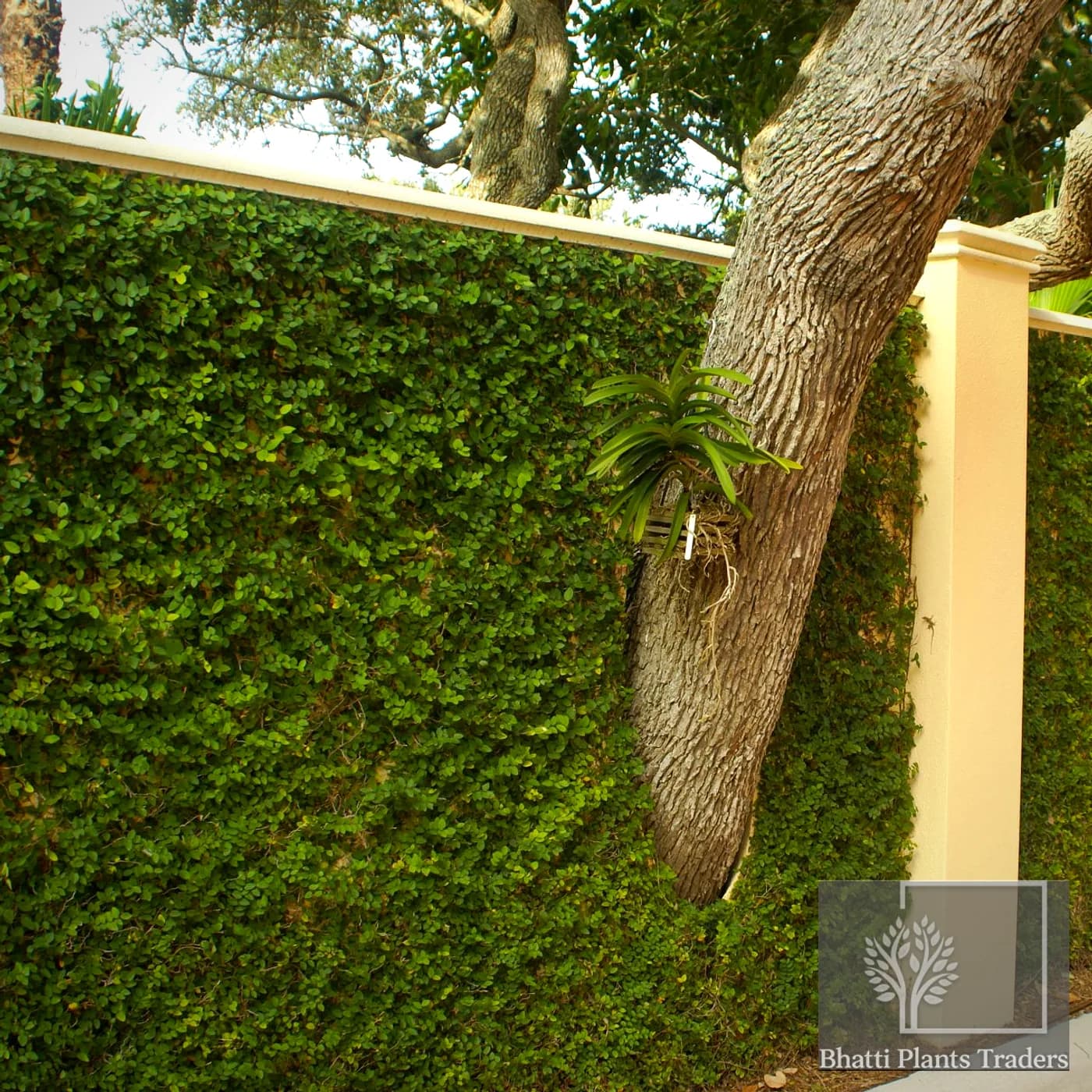
Floor space in a narrow courtyard is the one thing you cannot spare. Walls are free. Creeping fig will clad brickwork flat within two seasons; petrea or garlic vine on wires will cover a wall and then flower over it.
Cladding both long walls narrows the space by perhaps ten centimetres and makes it feel twice as wide, because the eye stops reading the boundaries as boundaries.
Three: plant in threes, at three heights
Structure at the back against the wall, mid-height planting in front of it, low or trailing at the front edge. Repeat the same three-tier arrangement two or three times down the length.
Repetition is what makes a small planting look deliberate rather than accumulated. Five of one plant reads as design; one each of five plants reads as a collection.
What about the sun?
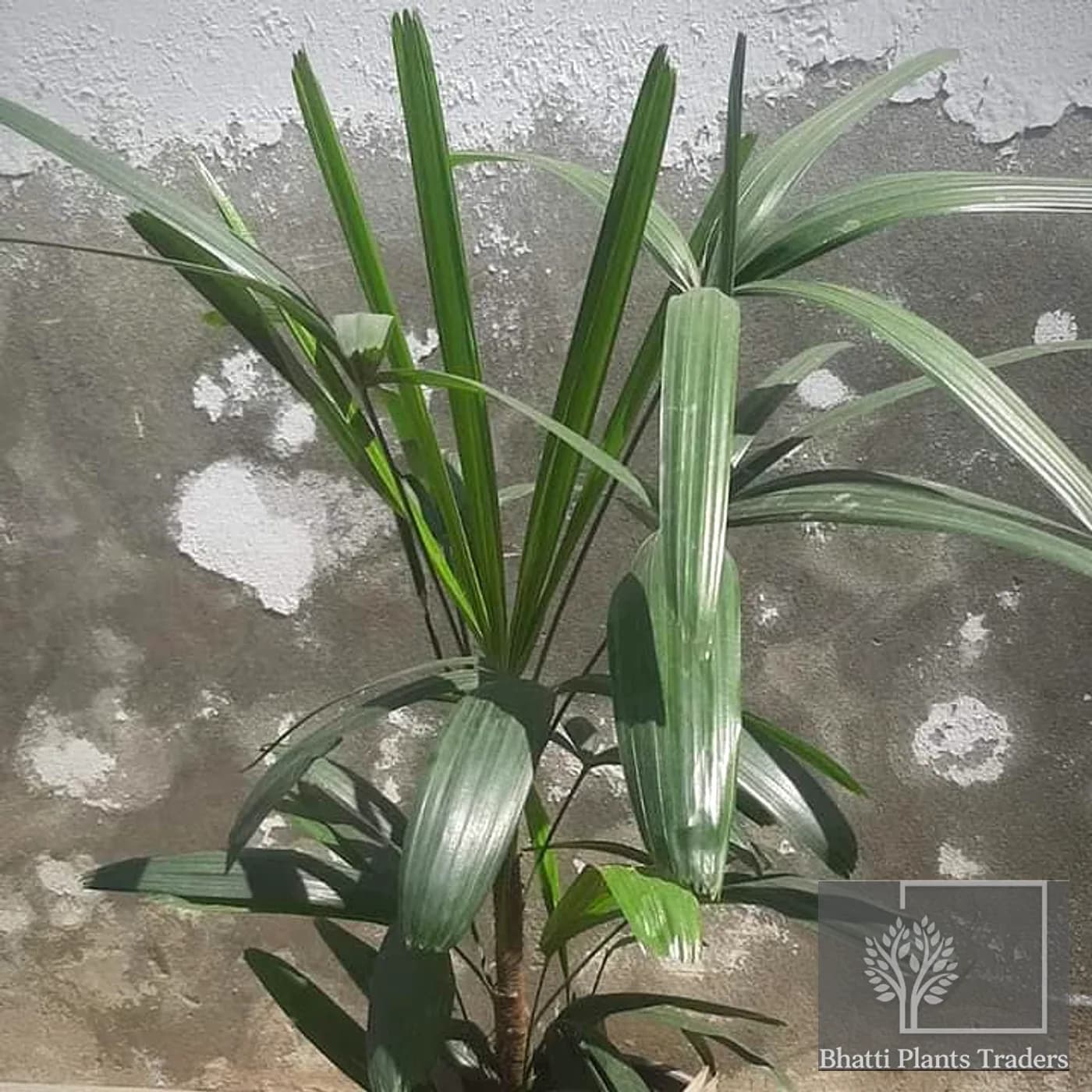
Most side courtyards get a few hours of direct sun and are otherwise in shade, which is a genuinely good growing environment — better than the front garden. Lady palm, fishtail palm, aglaonema, ferns and ajuga all thrive there.
Check which end gets the sun before you buy anything. It is usually one end only, and it changes what goes where.