Propagation6 min read
Propagating plants from cuttings — a practical guide
Turn one plant into ten. Which cutting to take, where to cut, and why most failures come down to a single mistake.
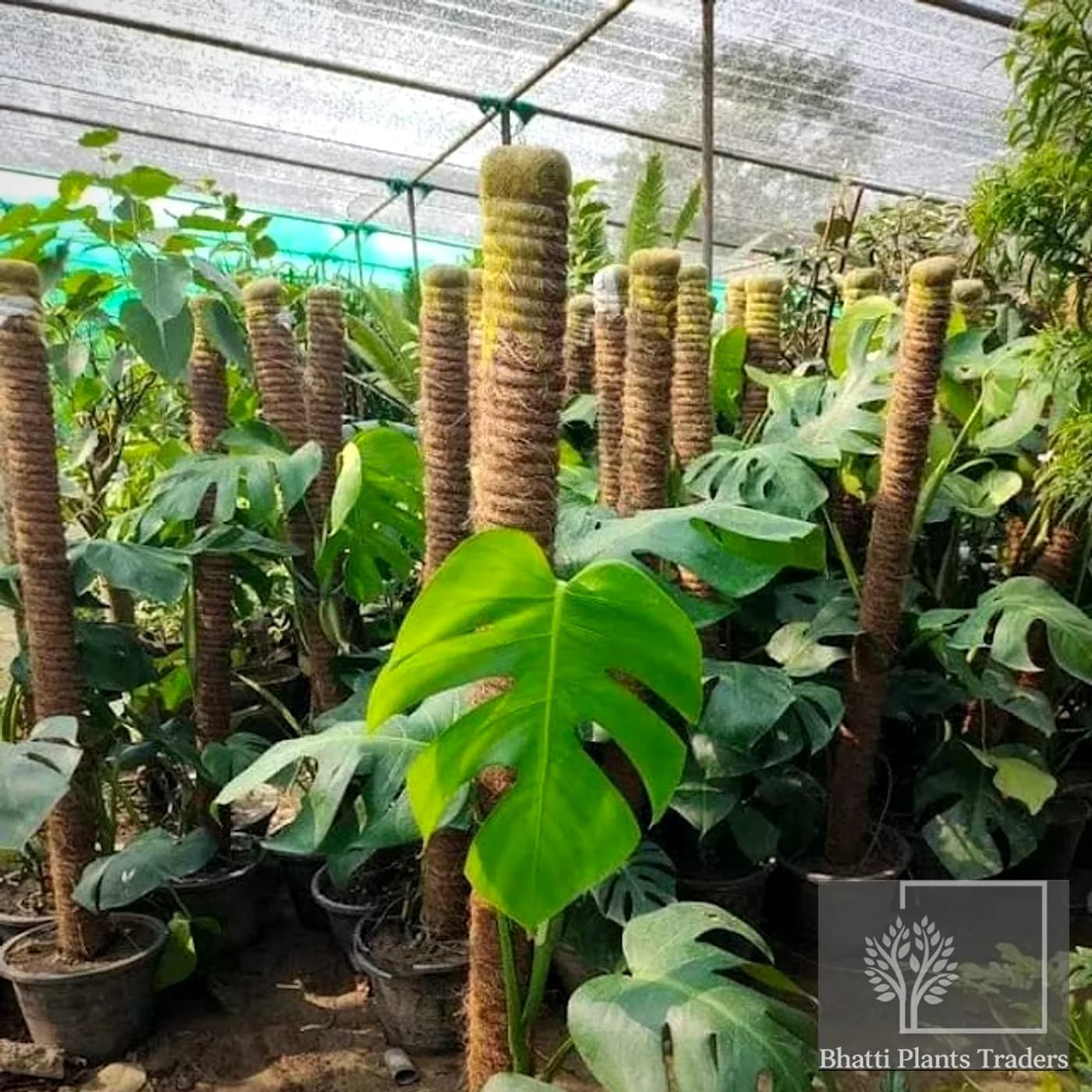
Propagation is the cheapest thing in gardening and the most satisfying. A single healthy pothos will give you a dozen plants in a season, and the same techniques work across most of what we sell.
The one mistake that causes most failures is taking a cutting without a node. A node is the slightly thickened point on a stem where a leaf joins it, and it is where roots emerge. A cutting without a node is a leaf on a stick — it will sit in water looking healthy for weeks and never root, because it cannot.
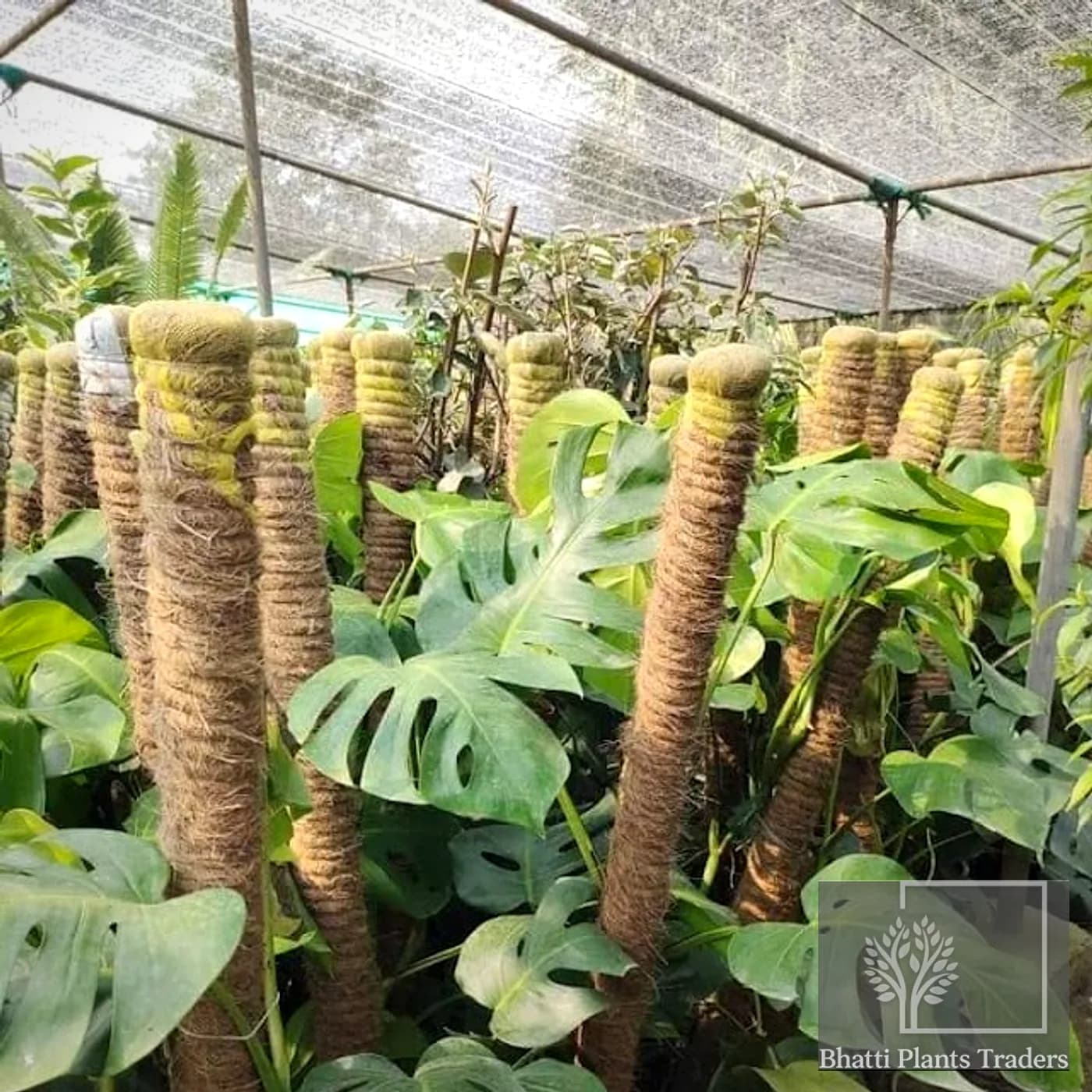
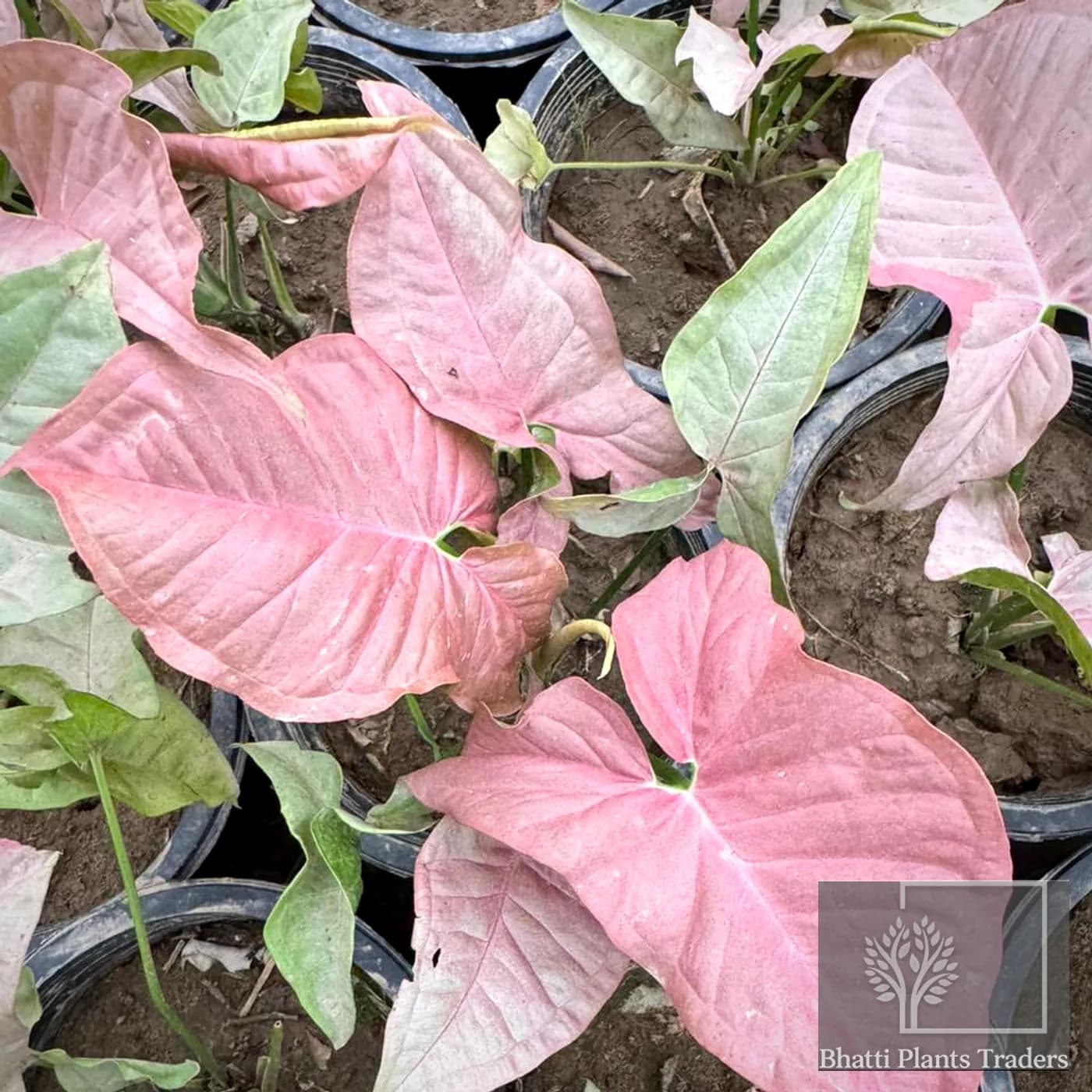
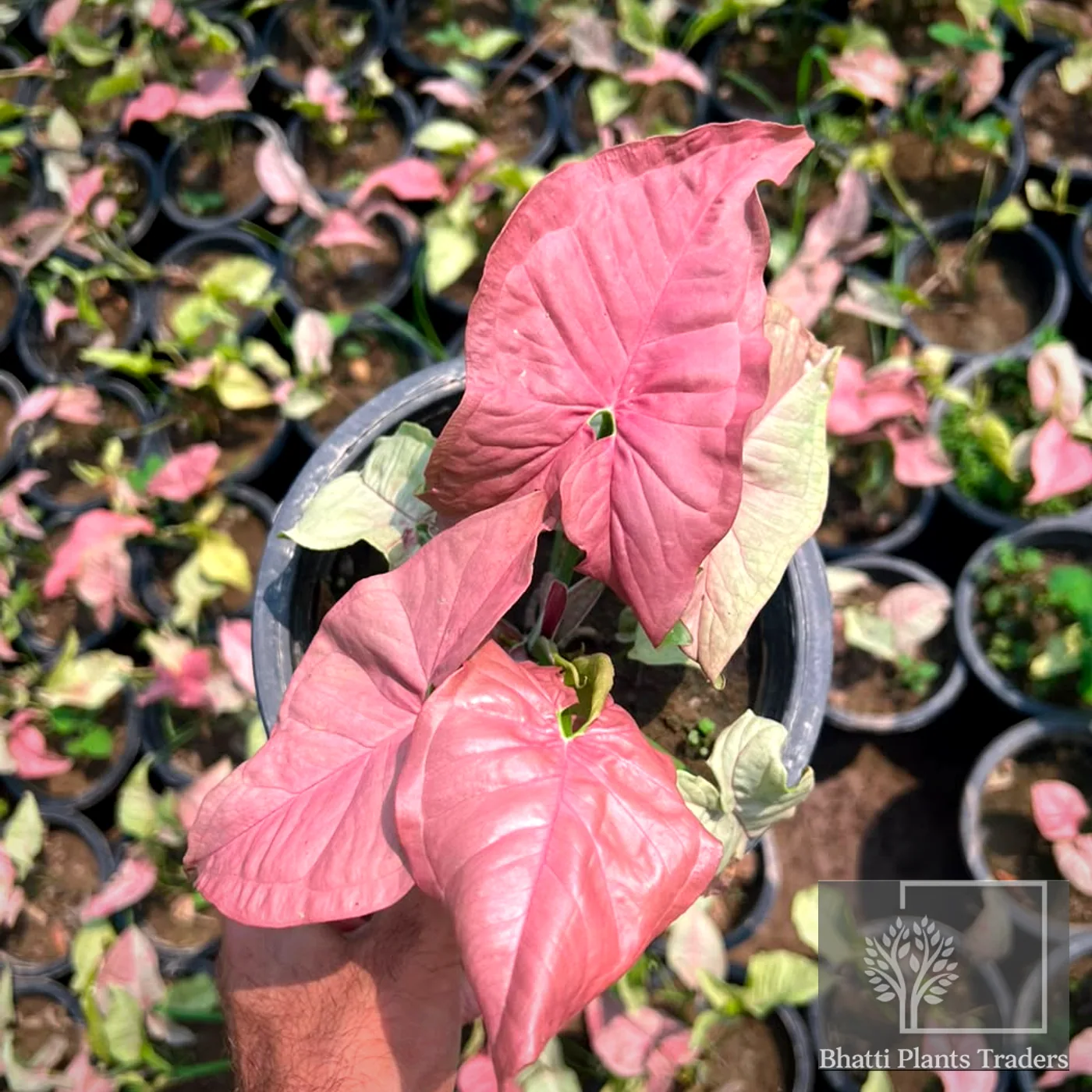
Stem cuttings — for aroids, most vines and dracaena
Cut about a centimetre below a node using a clean, sharp blade. Take a section with two or three leaves and at least one node, and remove the lowest leaf so the node itself sits bare.
Put it in water with the node submerged and the remaining leaves above the surface, in bright indirect light. Change the water every three days. Roots appear in one to three weeks. Pot it up once the roots reach about 5 cm — leave it longer and the water roots struggle to adapt to soil.
Leaf cuttings — for sansevieria and some succulents
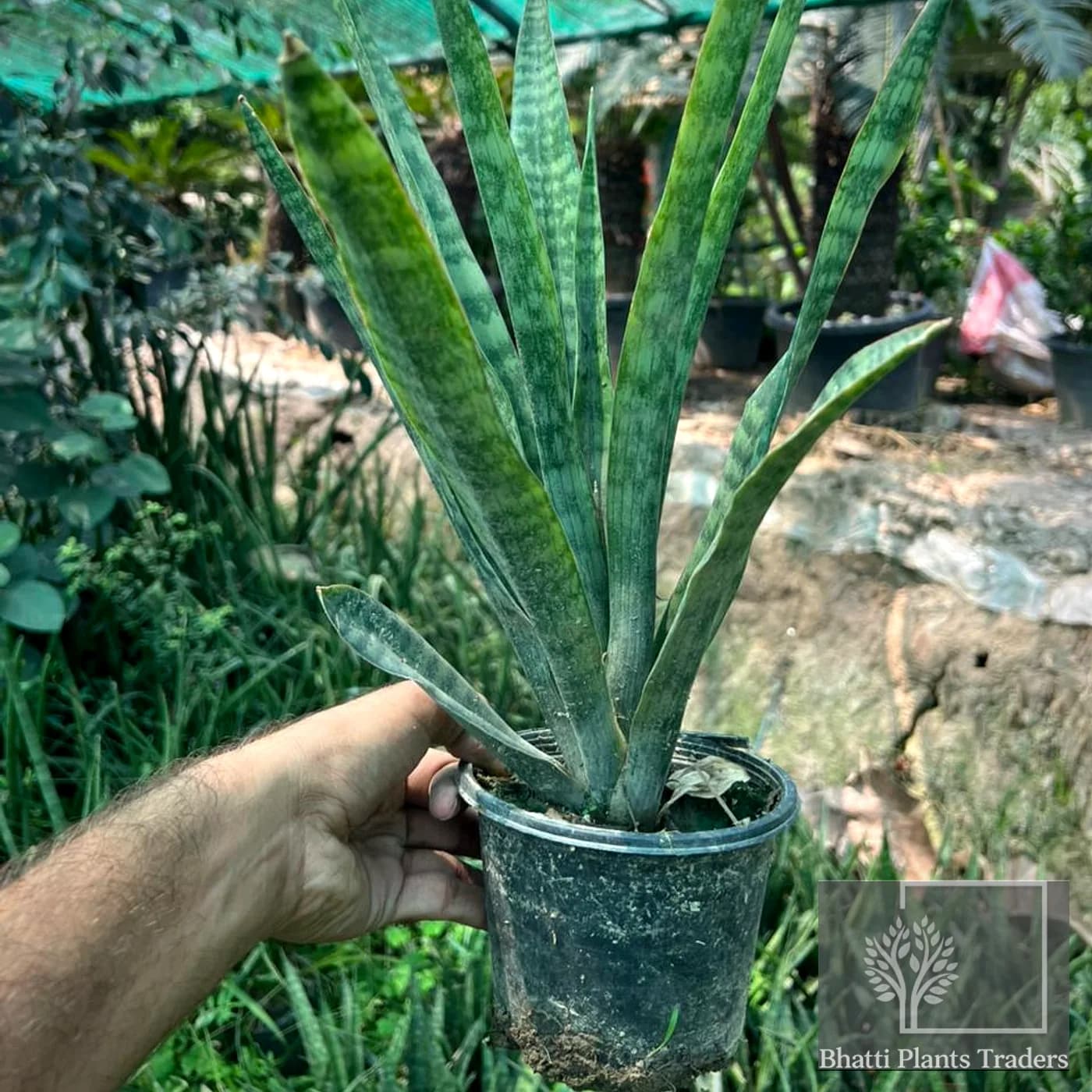
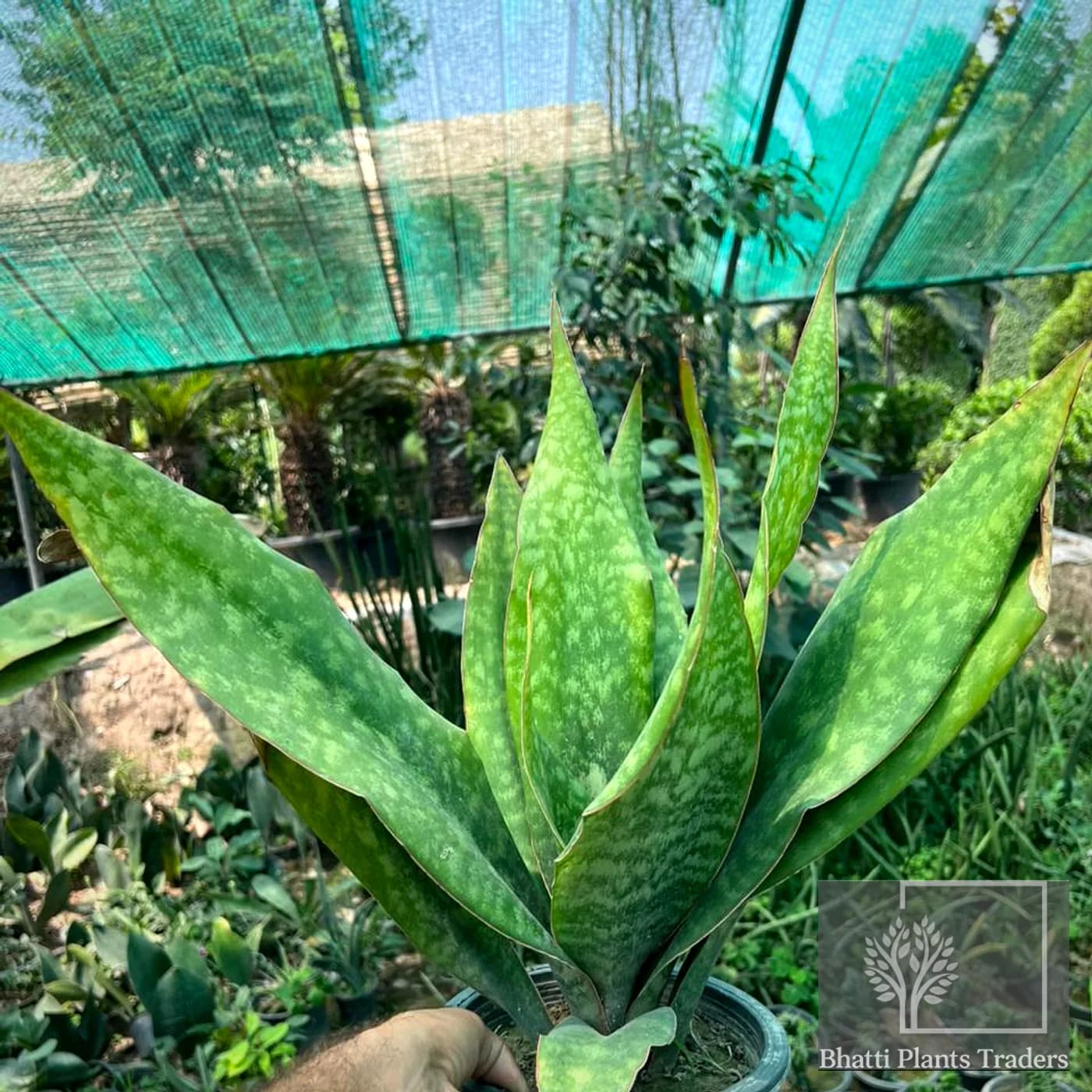
Cut a healthy sansevieria leaf into 8 cm sections, keeping track of which end was the bottom — a section planted upside down will never root. Let the cut ends callus in shade for two days, then insert the lower end 2 cm into barely damp cactus mix.
This takes patience: six to ten weeks before pups appear. Note that leaf cuttings from variegated sansevierias come back plain green, because the variegation is carried in the growing point rather than the leaf tissue. Variegated forms must be divided at the rhizome instead.
Hardwood cuttings — for plumeria, bougainvillea and figs
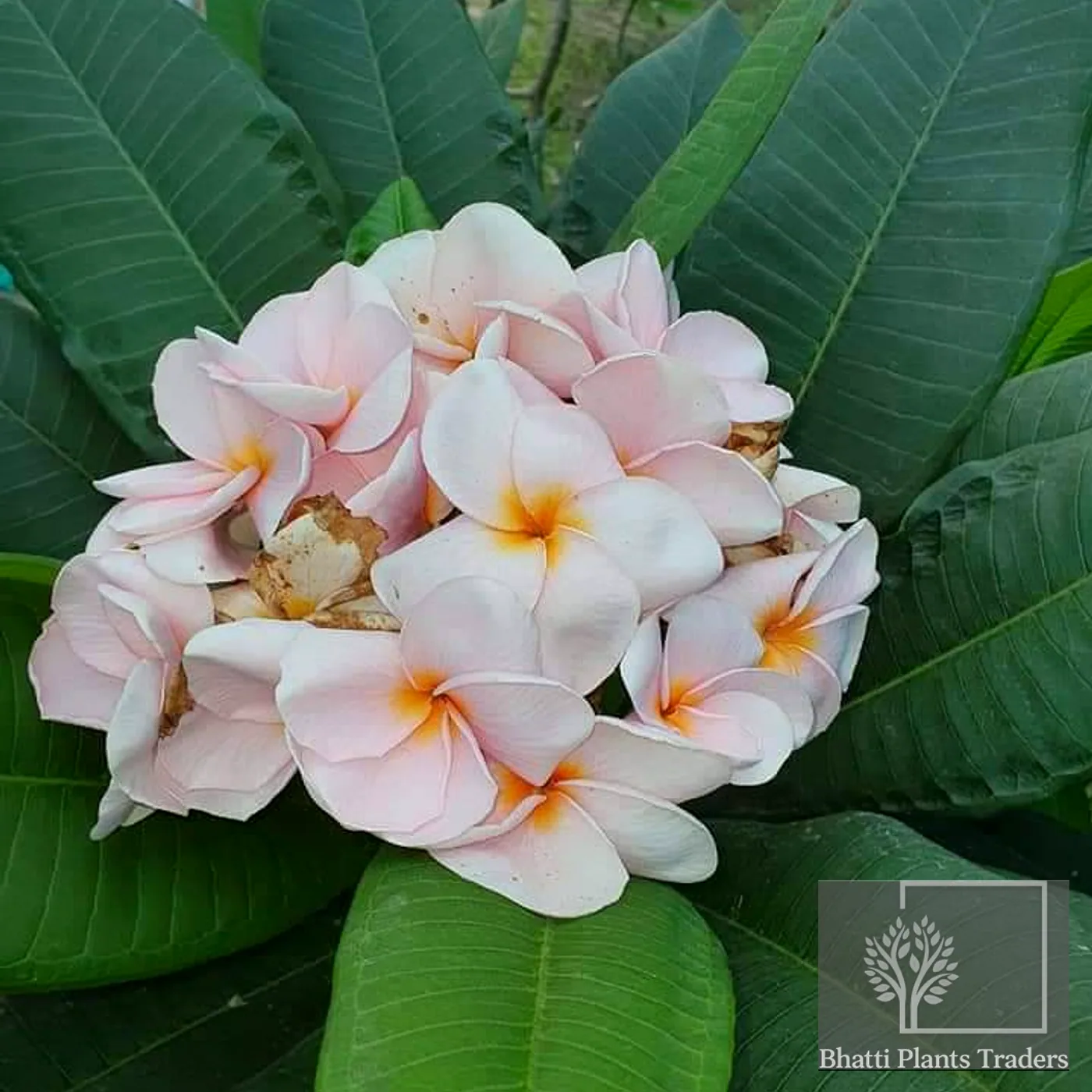
Take a 30 cm length of firm, mature wood in late winter or early spring. For plumeria, this is critical: let the cut end dry and callus for a full week in shade before planting, or it will rot before it roots.
Insert a third of the length into a gritty, free-draining mix, water once, and then leave it almost dry until you see new growth. The most common failure is watering a hardwood cutting as though it were a rooted plant — there are no roots yet to take up the water, so it simply rots.
Division — for clumping plants
The fastest and most reliable method, and the only one that preserves variegation in sansevierias. Unpot the plant, find where the clump separates naturally, and pull or cut it apart, making sure each division carries both roots and shoots.
Pot each division separately, water once, and keep out of direct sun for a fortnight. Suits sansevieria, day lily, aglaonema, lady palm, ajuga and rain lily.
Timing, and why it matters more than technique
Take cuttings in spring or early summer, when the plant is actively growing and hormone levels are highest. The same cutting taken in December, from the same plant, will root far more slowly or not at all.
Rooting hormone helps with woody material and makes very little difference to a pothos. Bottom heat helps everything. A propagation box is unnecessary in a Pakistani summer — ambient warmth is already ideal from March through October.